Court reiterates that appointments of Archakas in Agama-constructed temples must follow Agamic prescriptions; Tamil hymns allowed during Kudamuzhuku ceremonies subject to expert committee recommendations and Supreme Court orders
In a landmark judgment delivered on September 3, 2026, the Madurai Bench of the Madras High Court in two connected writ petitions clarified the legal position on the appointment of temple priests (Archakas) and the use of Tamil hymns in temple rituals, especially during the sacred consecration ceremony known as Kudamuzhuku or Kumbabishekam.
The petitions were filed by Tamil Rajendiran @ R. Rajendiran and D. Sureshbabu, who sought directions to allow Tamil spiritual mantras and hymns to be recited on par with Sanskrit Vedic chants during temple rituals in the renowned Arulmigu Meenakshi Sundareswarar Temple, Madurai, and other temples across Tamil Nadu. They also requested permission for Tamil Velvi Asiriyars (priests) to perform sacred fire rituals (Velvi Kundam Nigalvugal) during these ceremonies.
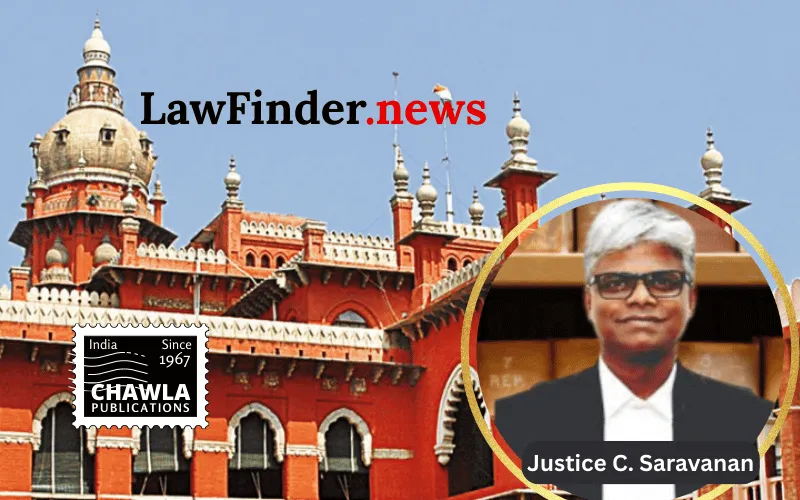
The Court, presided over by Mr. Justice C. Saravanan, delivered a comprehensive ruling balancing the rights of devotees, religious denominations, and the statutory framework governing temple administration. The Court emphasized that while Tamil hymns are an important devotional tradition and can be recited alongside Sanskrit mantras, the appointment of Archakas in temples constructed as per Agamic principles must strictly adhere to the prescriptions of the Agamas.
Key aspects of the judgment include:
1. Appointment of Archakas:
The Court referred to the Hindu Religious and Charitable Endowments Act, 1959, particularly Sections 28, 55, 56, and 116, and the constitutional provisions under Articles 16(5), 25, and 26. It held that the hereditary right to priesthood, previously recognized, has been abolished by amendment. However, appointments must follow the temple usage and the specific Agama governing that temple. The Agamas prescribe the denomination and qualifications of priests, and appointing persons outside the prescribed denomination would lead to defilement of the deity's image and be invalid. The trustee's discretion in appointments is controlled by Section 28 of the Act and must be exercised in accordance with temple usage.
2. Tamil Hymns in Rituals:
The Court acknowledged the significance of Tamil devotional literature, including the Panniru Thirumurai, Thevaram, and other sacred Tamil works. It directed that Tamil hymns may be recited during the Kudamuzhuku ceremonies alongside Sanskrit Vedas, provided such recitations are as per the recommendations of expert committees constituted by the State Government and subject to pending Supreme Court decisions. Tamil Othuvars (chanting priests) are to be allowed to chant at appropriate places during the ceremonies, consistent with historical practices.
3. Temple Customs and Usage:
The Court underscored that the rituals performed in temples, especially ancient ones like the Meenakshi Sundareswarar Temple, have been followed for centuries based on Agamic texts and traditional customs. Any changes to these rituals must be grounded in the Agamas and temple customs and cannot be unilaterally altered by petitioners or devotees without following due legal and procedural channels.
4. Pending Supreme Court Proceedings:
The Court noted ongoing Supreme Court cases concerning the identification of temples constructed as per Agamas and the regulation of Archaka appointments. It deferred to the apex court's forthcoming decisions to provide authoritative guidance on these sensitive religious matters.
5. Dismissal of Petitions Seeking Independent Tamil Ritual Performances:
The Court dismissed petitions seeking independent rights to perform Tamil hymns or conduct sacred fire rituals without following established rules and temple procedures. While acknowledging the petitioners' devotion and qualifications, the Court stated that writ petitions under Article 226 of the Constitution are not appropriate vehicles to alter religious practices or temple laws.
The judgment also provided a detailed historical background of the Meenakshi Sundareswarar Temple, highlighting its architectural grandeur, Dravidian style, and centuries-old traditions, reaffirming the importance of adhering to Agamic rules in temple worship.
In its conclusion, the Court reiterated that while the Tamil language has a venerable place in devotional practice, equal importance with Sanskrit in rituals must be managed through formal and recognized procedures. The Court emphasized that the Legislature and Executive branches hold the authority to effectuate such changes in temple rituals, not the judiciary through writ petitions.
This ruling thus preserves the sanctity and religious autonomy of temples constructed as per Agamas while encouraging the inclusion of Tamil devotional elements within the framework of law and tradition.
Bottom Line:
Hindu Religious and Charitable Endowments Act - In temples constructed as per Agamas, rituals including appointment of Archakas and conduct of ceremonies like Kudamuzhuku (Kumbabishekam) must strictly follow Agamic prescriptions - Tamil hymns and mantras may be recited subject to Committee recommendations and Supreme Court directions, but any change in customary Agamic practices requires legislative or executive action and cannot be granted by writ petition.
Statutory provision(s):
Hindu Religious and Charitable Endowments Act, 1959 Sections 28, 55, 56, 116; Constitution of India Articles 16(5), 25, 26