Tribunal holds that existence of genuine, substantial disputes regarding delay, quality, and payment reconciliation prior to demand notice bars insolvency proceedings; MSME award rejecting claim reinforces decision.
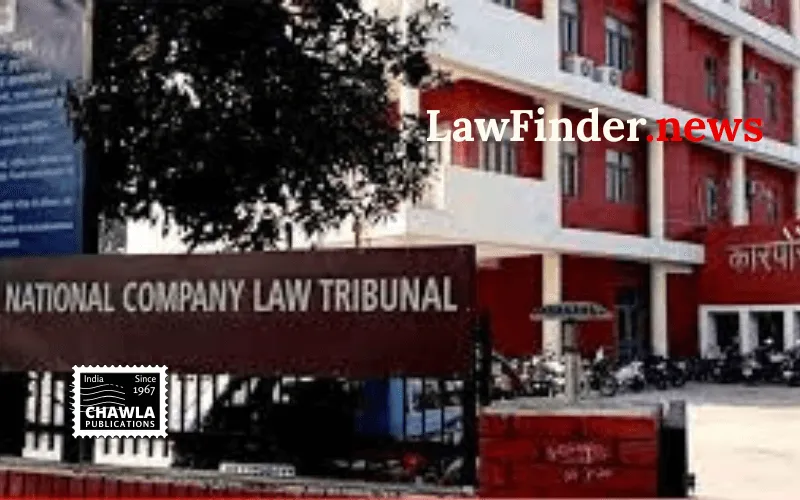
In a significant judgment dated September 30, 2026, the National Company Law Tribunal (NCLT), Allahabad Bench, dismissed a petition filed by M/s R N Buildcon under Section 9 of the Insolvency and Bankruptcy Code, 2016 (IBC), seeking initiation of the Corporate Insolvency Resolution Process (CIRP) against M/s Ocean Infraheight Pvt. Ltd., the corporate debtor. The petition arose from alleged unpaid running account (RA) bills amounting to Rs. 27.76 crores relating to a construction contract for Towers D & E of the Sarvottam Golden-I project in Greater Noida.
The Operational Creditor claimed that despite acknowledging the work through pour cards and making partial payments, the Corporate Debtor failed to clear substantial dues. After issuing a demand notice under Section 8 of the IBC, the Corporate Debtor replied, raising multiple pre-existing disputes about delays, quality defects, non-procurement of materials, safety violations, debit notes, and reconciliation of accounts. The Corporate Debtor also highlighted ongoing arbitration proceedings and MSME Facilitation Council (MSEFC) claims related to the same contractual relationship.
The Tribunal extensively analyzed the voluminous evidence, including emails, minutes of meetings, debit notes, safety violation reports, and the award passed by the MSME Facilitation Council. The MSME Council had dismissed the Operational Creditor’s entire claim on merits, finding no payment due based on deficiencies in work quality and non-completion of the contract.
Key findings included:
1. Existence of Pre-Existing Disputes: The Tribunal observed that disputes relating to delay in execution, quality issues, procurement responsibilities, and quantum of payment had been ongoing throughout the contract period well before the issuance of the Section 8 demand notice. Correspondence between parties confirmed mutual recognition of these disputes, making them genuine and substantial, not mere afterthoughts.
2. Quality and Completion Issues: The Corporate Debtor had repeatedly pointed out defects and incomplete work through pour cards, safety violation notices, and technical consultant reports (M/s NIDA Consultants). The Operational Creditor’s contention of rectification and acceptance was found insufficient to negate the continuing disputes.
3. Disputes on Quantum of Debt: The Tribunal noted that the running account bills were subject to verification, certification, and reconciliation, with various debit notes issued by the Corporate Debtor for material and penalty adjustments. The final payable amount was disputed and required adjudication beyond the limited scope of Section 9 proceedings.
4. Subsequent Adjudication Reinforcing Non-Existence of Crystallised Debt: The MSME Facilitation Council’s award rejecting the Operational Creditor’s claim on the merits significantly reinforced the Tribunal’s conclusion that no crystallised operational debt existed and that insolvency proceedings were not maintainable on the same factual foundation.
5. Forum Shopping and Recovery Proceedings: The Tribunal condemned the Operational Creditor’s simultaneous pursuit of MSME recovery proceedings and insolvency petition, terming it forum shopping and an impermissible attempt to use the IBC as a debt recovery mechanism.
The Tribunal relied on Supreme Court precedents, including Mobilox Innovations Pvt. Ltd. v. Kirusa Software Pvt. Ltd. (2017), emphasizing that the IBC cannot be invoked where a real dispute exists and that the Tribunal’s role at the admission stage is limited to determining whether a plausible, genuine dispute exists.
Consequently, the Tribunal held that the application under Section 9 was barred by the existence of a pre-existing dispute and was an abuse of process aimed at recovery, leading to the dismissal of the petition and connected applications.
This judgment underscores the strict scrutiny insolvency applications must undergo, especially in construction and operational disputes, and reaffirms that IBC proceedings are not a substitute for recovery forums or means for arm-twisting corporate debtors.
Bottom Line :
Insolvency and Bankruptcy Code, 2016 Section 9 petition by operational creditor dismissed - Extensive contemporaneous emails, minutes of meetings, debit notes, pour cards, safety violation reports and disputes regarding delay, quality of work, rectification, procurement of material, reconciliation of RA bills and quantification of dues established a real pre-existing dispute prior to issuance of Section 8 demand notice - Subsequent MSME Facilitation Council award rejecting same claim further reinforced non-existence of crystallised operational debt - IBC cannot be used as a recovery mechanism or for forum shopping.
Statutory provision(s): Insolvency and Bankruptcy Code, 2016 Sections 5(6), 8, 9, 65; Micro, Small and Medium Enterprises Development Act, 2006 Section 18; Arbitration and Conciliation Act, 1996 Section 11(6)