Court criticizes administrative apathy in delayed benefits; orders release of attached salaries following compliance
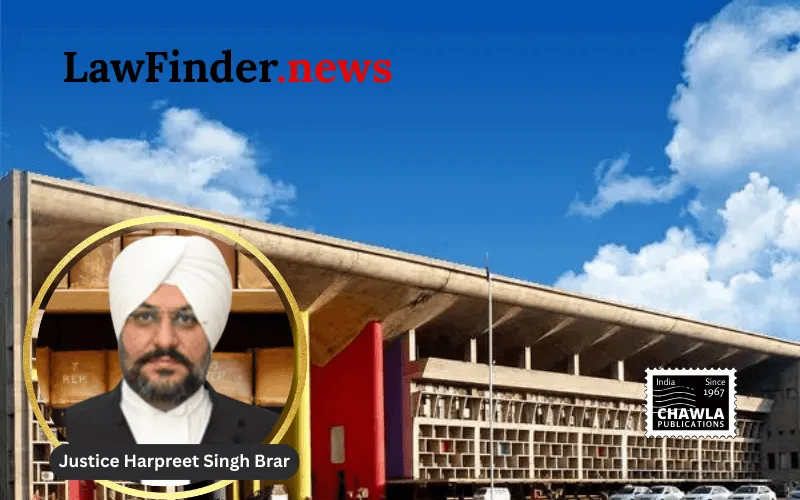
In a significant ruling, the Punjab and Haryana High Court delivered justice to Rakesh Kumar, who had been entangled in a prolonged legal battle over his notional appointment and seniority benefits as an Assistant Professor. The court, led by Justice Harpreet Singh Brar, resolved the case by ensuring that the petitioner received the due benefits that had been delayed due to administrative lapses.
Rakesh Kumar had been appointed as an Assistant Professor in the Commerce Department after a legal tussle, despite initially being denied the position. His appointment came only after the court allowed his earlier petition challenging the denial. Despite a promise by the respondents in a contempt proceeding to grant him notional appointment benefits from the date of his juniors' appointment, the benefits were not extended, compelling Kumar to file another petition.
During the proceedings, the court expressed dissatisfaction with the respondents' lackadaisical attitude, criticizing them for forcing unnecessary litigation and failing to respect court orders. Justice Brar emphasized the importance of administrative accountability and adherence to the rule of law, highlighting that the respondents had neither contested the contempt order nor complied with it in a timely manner.
The court had earlier ordered the attachment of one-third of the salaries of the Additional Chief Secretary and the Director General of Higher Education as a measure to ensure compliance with the court's directive. However, following the filing of affidavits by the concerned officials demonstrating compliance and offering an unconditional apology for the delay, the court discharged the rule against them and ordered the release of the attached salaries.
The judgment underscores the judiciary's role in upholding justice and ensuring that administrative processes do not impede the rights of individuals. The court's decision to impose exemplary costs was a strong message against administrative negligence and a reminder of the judiciary's insistence on the majesty of justice.
The case has now been rendered infructuous as Rakesh Kumar has received all the benefits owed to him. The court's proactive stance in this matter serves as a precedent for similar cases, reinforcing the principle that merit and fairness should govern administrative appointments and benefits.
Bottom Line :
Notional appointment, pay fixation, and seniority benefits must be granted to eligible candidates in accordance with their merit position, even if they were appointed later due to administrative lapses or legal proceedings.
Statutory provision(s):
- Article 226 of the Constitution of India
- Contempt of Courts Act, 1971
Rakesh Kumar v. State of Haryana, (Punjab And Haryana) : Law Finder Doc id # 2961158