Testamentary disposition by a sonless proprietor upheld despite lack of proven matrimonial relationship with beneficiary, citing long cohabitation and personal service.
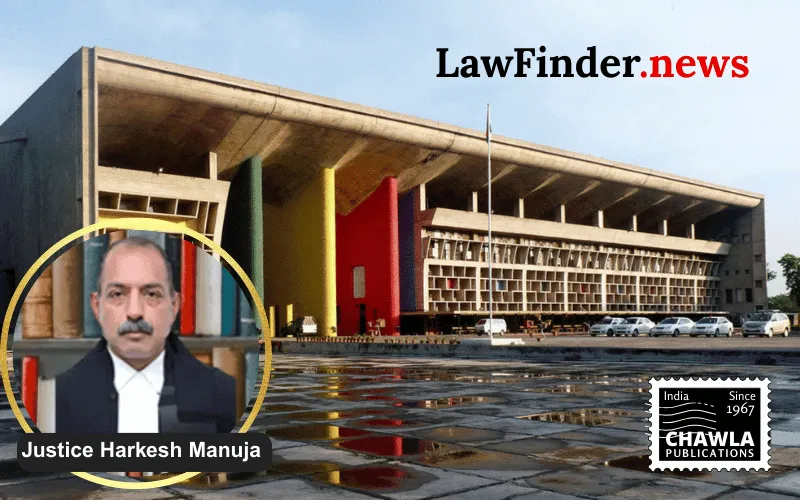
In a significant ruling, the Punjab and Haryana High Court has upheld the validity of a testamentary disposition by a sonless proprietor, Bishan Singh, in favor of Smt. Debo, despite challenges to the legitimacy of their matrimonial relationship. The judgment, delivered by Justice Harkesh Manuja, emphasizes that long cohabitation and personal service rendered to the testator can substantiate the validity of a Will, independent of proof of marriage.
The appeal, filed by Surmukh Singh and others, contested the judgments of the lower courts dismissing their suit for possession of agricultural land, claiming the property was ancestral and alleging undue influence and invalid execution of the Will. Debo, the beneficiary, was argued to be not legally wedded to Bishan Singh, raising doubts about her entitlement under the Will.
Justice Manuja, however, noted that the Will was duly executed and attested as per legal requirements under Section 63 of the Indian Succession Act, 1925, and Section 68 of the Indian Evidence Act, 1872. The presence of Debo at the time of execution and the residence of an attesting witness in a different village were deemed insufficient to constitute suspicious circumstances. The burden of proving undue influence, fraud, or coercion was deemed to lie on the objectors, which they failed to discharge.
Additionally, the court recognized a presumption of marriage under Section 114 of the Evidence Act, arising from long cohabitation and personal service, placing a heavy burden on the appellants to rebut this presumption. The judgment also acknowledged the general custom allowing a sonless proprietor to make a disposition in favor of a person who rendered services, negating the claims of incapacity to alienate ancestral property.
The court concluded that the appellants' arguments lacked merit, affirming the judgments of the lower courts and dismissing the appeal. This ruling reinforces the legal principles surrounding testamentary dispositions and the recognition of services rendered in lieu of formal matrimonial ties.
Bottom line:-
Validity of testamentary disposition by a sonless proprietor upheld where beneficiary rendered services and cohabited with testator, independent of proof of matrimonial relationship.
Statutory provision(s): Indian Succession Act, 1925 Section 63, Indian Evidence Act, 1872 Section 68, Indian Evidence Act, 1872 Section 114
Surmukh Singh v. Debo, (Punjab And Haryana) : Law Finder Doc id # 2935958