Construction, mining, and tourism activities regulated to preserve ecological integrity in Jawai region.
In a landmark judgment, the Rajasthan High Court has issued comprehensive directions to protect the ecological integrity of the Jawai region, home to a significant leopard population. The court has taken a decisive step to safeguard the leopard habitat by regulating construction, tourism, and other human activities that threaten the region's ecological balance.
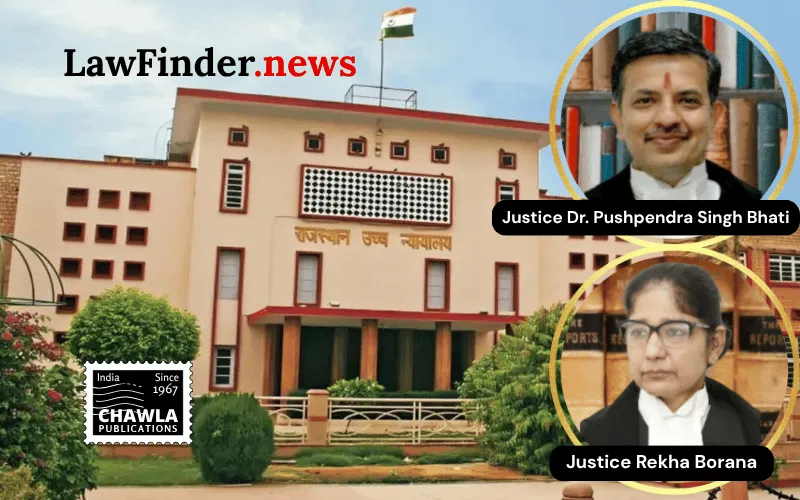
The judgment was delivered in response to a Public Interest Litigation filed by Apoorva Agrawat against the State of Rajasthan, highlighting concerns over the adverse effects of unregulated activities on the leopards' natural habitat. The court, comprising Justices Dr. Pushpendra Singh Bhati and Rekha Borana, emphasized the need to protect leopard caves, dens, breeding sites, and wildlife corridors from human encroachment.
The court's directions include the identification, mapping, and notification of all active leopard caves, dens, and breeding sites in the Jawai region. Additionally, construction activities within a one-kilometre radius of these critical features are now subject to strict regulation. This interim measure is aimed at preventing irreversible ecological damage until a comprehensive policy is developed.
The court also addressed the regulation of tourism, mandating the adherence to a Standard Operating Procedure (SOP) for safari operations. This includes restrictions on night safaris, baiting, and artificial illumination, alongside the requirement for GPS-enabled safari vehicles. Tourism establishments are prohibited from guaranteeing leopard sightings, a practice that disrupts the natural behavior of wildlife.
Furthermore, the court has created a "One-kilometre Leopard Habitat Construction-Control Zone" around identified critical features, prohibiting any new commercial or residential structures within this zone. However, bona fide village activities and essential public utilities are exempted, provided they comply with wildlife-friendly conditions.
The judgment underscores the application of the precautionary principle and sustainable development, aligning with international conservation practices. The court has directed a scientific assessment of the Jawai landscape to establish final ecological boundaries and ensure the long-term protection of the leopard habitat.
This significant ruling highlights the judiciary's proactive role in environmental conservation, setting a precedent for balancing development with ecological preservation. The Rajasthan High Court's directions aim to secure the future of the Jawai region's rich biodiversity while respecting the livelihoods of local communities.
Bottom Line:
Protection of Leopard Habitat and Ecological Integrity - Directions issued for comprehensive regulation of construction, tourism, fencing, and other activities in Jawai region to safeguard leopard caves, breeding sites, and wildlife corridors.
Statutory provision(s): Articles 21, 48A, and 51A(g) of the Constitution of India, Wild Life (Protection) Act, 1972
Apoorva Agrawat v. State of Rajasthan, (Rajasthan)(DB) : Law Finder Doc id # 2973730