High Court Directs State Authorities to Ensure Public Health Safety Through Rigorous Inspections and Reports
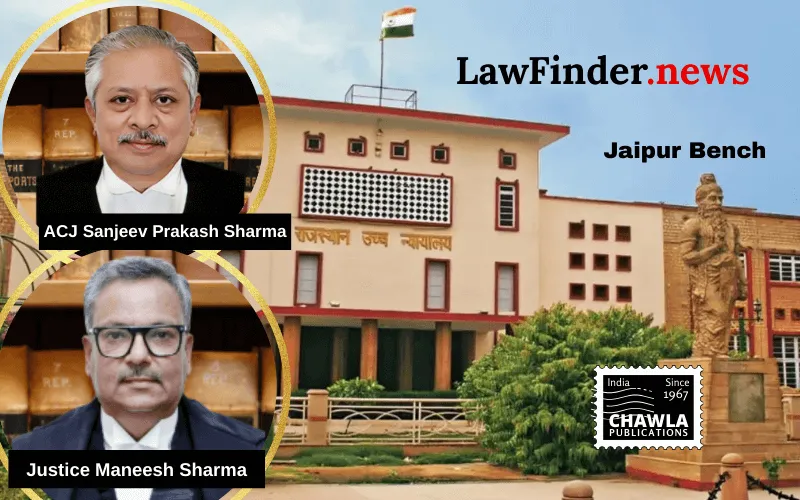
In a significant ruling aimed at safeguarding public health and addressing environmental concerns, the Rajasthan High Court (Jaipur Bench) has issued comprehensive directives to state authorities concerning the adulteration of animal feed and illegal cultivation in polluted areas. The judgment, delivered by Justices Sanjeev Prakash Sharma and Maneesh Sharma, mandates thorough inspections and the submission of detailed reports to tackle these pressing issues.
The suo moto case titled "Suo Moto In Re- Public Health v. Union of India" has drawn attention to alarming practices affecting animal health and agricultural safety. Reports presented to the court highlighted the dangerous use of excessive urea in animal feed, which poses severe risks to animal health and compromises the quality of milk produced. The court has instructed the Rajasthan Cooperative Dairy Federation (RCDF) and other milk cooperatives like Amul, Mother Dairy, and Lotus to ensure the prevention of synthetic products in their offerings. State Government Authorities are tasked with conducting inspections and reporting their findings to the court.
The judgment also addresses the perilous use of unsafe pesticides, which have been linked to the deaths of 535 farmers, underscoring the urgent need for corrective measures. The court has taken these reports on record, emphasizing the gravity of the situation and the necessity for immediate action.
Furthermore, the High Court has expressed grave concern over illegal cultivation practices in polluted areas, such as swamps and zones with dirty water accumulation. The Pollution Control Board has been directed to investigate these activities and prevent cultivation in contaminated regions. The court has ordered the board to file reports on actions taken, including the registration of FIRs against violators. This directive extends beyond Jaipur to encompass all cities, holding district officers accountable for ensuring crops are not grown in affected areas.
The court's proactive stance on these matters reflects a commitment to public health and environmental integrity. By calling for stringent inspections and accountability from state agencies, the judgment seeks to mitigate health risks and promote sustainable agricultural practices.
The next hearing for these cases is scheduled for August 4, 2026, where further updates and compliance reports are expected to be reviewed. The court's orders underline the importance of vigilant oversight and swift action in addressing these critical issues that impact both human and animal health.
Bottom line:-
Public health concerns regarding adulteration in animal feed, unsafe pesticides, and cultivation in polluted areas raised in Public Interest Litigation. Directions issued to government authorities for inspections, reports, and corrective measures.
Statutory provision(s): Public Interest Litigation, Environmental Pollution Control, Food Safety Regulations, Cooperative Governance