Court finds multiple procedural lapses and denial of legal representation; orders reinstatement and potential re-enquiry
The Allahabad High Court, in a significant ruling, has quashed the dismissal of Dr. Neetu Singh, an Associate Professor at King George Medical University (KGMU), Lucknow, over allegations of intellectual property theft and misconduct. The Court found several procedural irregularities in the disciplinary proceedings conducted by the university, including a denial of legal representation, which violated the principles of natural justice.
The case stemmed from a project proposal submitted by Dr. Singh for genetic screening of hemoglobinopathies in pregnant women, which was alleged to be similar to an existing proposal by another faculty member. The inquiry committee, which included two retired judges, proceeded ex-parte after Dr. Singh refrained from participating, citing denial of necessary documents and legal assistance.
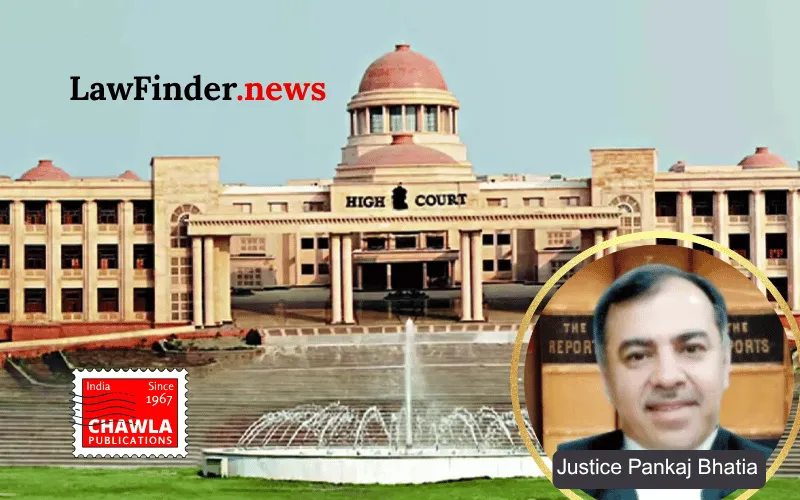
Justice Pankaj Bhatia, presiding over the case, highlighted that the charges were vague, and the inquiry committee failed to present oral or documentary evidence to substantiate the allegations against Dr. Singh. The Court criticized the committee for taking documents as "gospel truth" without substantiation through witness testimony.
Furthermore, the Court emphasized the prejudicial impact of denying Dr. Singh legal assistance, especially when the inquiry panel included legally trained individuals. The decision-making process was deemed flawed, and the Court ordered the reinstatement of Dr. Singh with back wages, also allowing the university to reinitiate disciplinary proceedings if necessary.
This judgment underscores the judiciary's role in ensuring adherence to procedural fairness and natural justice in disciplinary actions within academic institutions.
Bottom Line :
Disciplinary proceedings require adherence to principles of natural justice, and denial of legal representation, especially when the inquiry committee includes legally trained persons, can result in prejudice to the delinquent employee.
Statutory provision(s):
Rule 7 of the Discipline and Appeal Rules, 1999, Indian Medical Council (Professional Conduct, Etiquette and Ethics) Regulations, 2002, Principles of Natural Justice.
Dr. Neetu Singh v. State of U.P., (Allahabad)(Lucknow) : Law Finder Doc id # 2967209