Court Takes Suo Motu Cognizance to Enforce Prohibition on Posters, Processions, and Food Distribution in Court Premises; Emphasizes Elders Committee's Role and Threatens Debarring Candidates for Violations
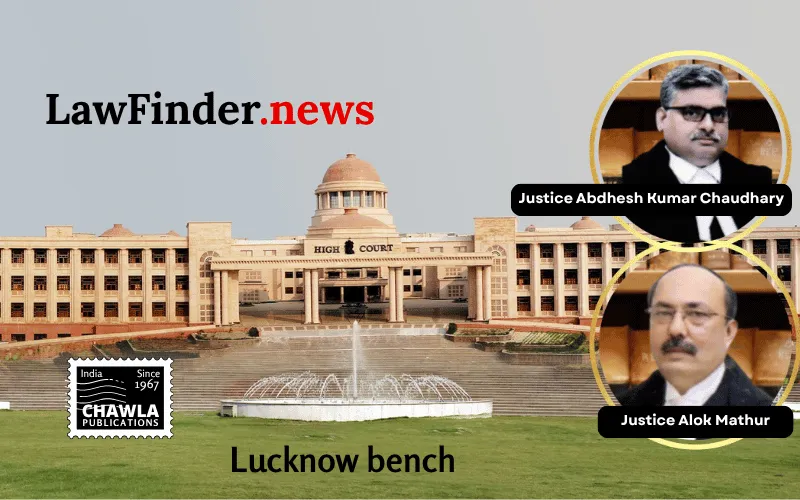
In a significant suo motu intervention, the Allahabad High Court has reiterated strict guidelines to ensure the peaceful, fair, and dignified conduct of the upcoming elections of the Oudh Bar Association at Lucknow. Delivered on October 8, 2026, the judgment lays down a comprehensive framework to curb election malpractices within and around the High Court premises, emphasizing the sanctity of court premises and the responsibility of candidates and the legal fraternity in upholding democratic values.
The Court took suo motu cognizance of reports of defacement of the High Court premises through the pasting of posters, stickers, and banners by candidates contesting the Bar Association elections. The Senior Registrar's inspection report dated September 28, 2026, confirmed the presence of such materials both inside and outside the High Court building, naming the candidates involved. Despite notices issued by the Returning Officer warning candidates against such conduct, compliance was initially inadequate, prompting judicial intervention.
Referring extensively to the Supreme Court's 2021 judgment in Amit Sachan v. Bar Council of Uttar Pradesh and other precedents, the High Court underscored the importance of maintaining decorum in the court environment. It reiterated prohibitions on taking out processions, distributing food items, handing out pamphlets or handbills within the court compound and up to 100 meters outside, and canvassing by distribution of visiting cards or posters. The Court warned that any violation of these directions could lead to serious consequences, including debarring the candidate from the election, referral to the Bar Council for disciplinary action, and even contempt proceedings.
The Court acknowledged that the primary responsibility to conduct free, fair, and transparent elections lies with the Elders Committee and the Returning Officer as per the Bar Association's rules. The Court clarified that its role was limited to ensuring peaceful conduct within the court premises and not to interfere with the broader election methodology or adjudicate on wider objections such as the "one member one vote" principle raised by interveners.
Importantly, the Court emphasized the elections as more than a procedural formality, describing them as a "festival of democracy" that must reflect integrity, fairness, transparency, and mutual respect among advocates. It called upon the Oudh Bar Association to act as a role model for democratic conduct, urging all stakeholders to collectively ensure that the elections remain free from fear, favor, pressure, or inducement. The Court expressed confidence that the legal fraternity, entrusted with upholding the Constitution and the rule of law, would set an example for society by conducting elections in a peaceful and dignified manner.
The Court took note of the removal of most posters and banners following its interim directions and refrained from imposing coercive measures at that stage, while keeping the liberty to do so if violations recur. It directed the Senior Registrar to continue monitoring compliance and report any future infractions immediately to the Court and the Elders Committee for prompt action.
The writ petition was disposed of with the expectation that the directions would be strictly followed, with the Elders Committee ensuring impartial oversight. The judgment sends a clear message that democratic processes within the legal community must uphold the highest standards of conduct, preserving the sanctity of judicial premises and reinforcing the rule of law.
Bottom Line:
Bar Association Elections - High Court, while exercising suo motu jurisdiction to ensure peaceful, fair and dignified conduct of elections of Oudh Bar Association, reiterated prohibition against posters, stickers, processions, distribution of food items, handbills and pamphlets in and around High Court premises - Violation of directions may entail debarring candidate from election, reference to Bar Council and other action including contempt - Court held that primary responsibility to conduct free, fair and transparent elections lies with Elders Committee and Returning Officer and court intervention in actual conduct of election is limited.
Statutory provision(s):
Bar Association Elections.