Gajendra's appeal dismissed; conviction under Sections 307 and 452 of IPC affirmed with concurrent sentences of five and two years, respectively.
In a significant judgment, the Allahabad High Court has dismissed the appeal of Gajendra, confirming his conviction and sentence in a 1982 case of attempted murder and house-trespass. The court upheld the decision of the IV Additional Sessions Judge, Bijnor, which sentenced Gajendra to five years rigorous imprisonment under Section 307 of the Indian Penal Code (IPC) and two years under Section 452 IPC, with both sentences to run concurrently.
The case dates back to May 19, 1982, when Gajendra, armed with a knife, entered the house of Km. Rekha in the village of Bharera, Bijnor, and inflicted ten incised wounds on her body, including vital areas such as the chest and face, with the intent to cause her death. Despite the absence of a clear motive, the trial court had found the sole testimony of the injured victim, corroborated by medical evidence, to be credible and sufficient for conviction.
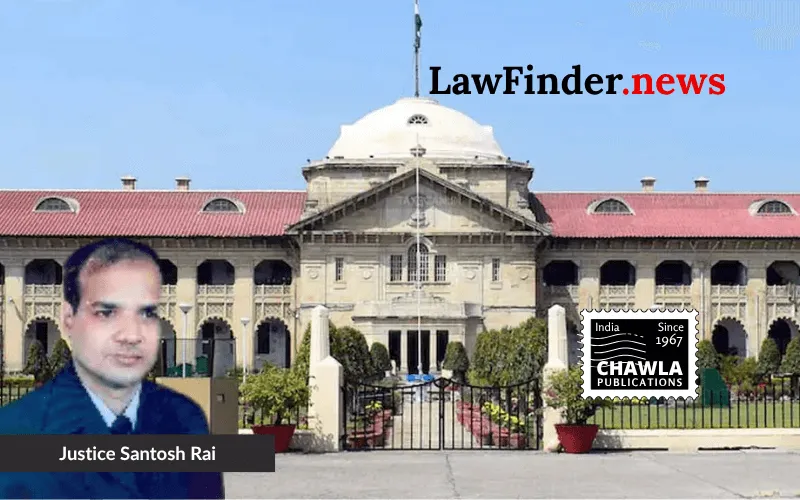
In his appeal, Gajendra challenged the reliance on the victim's solitary testimony, the disproved motive of a family dispute, and the circumstances of the injuries, suggesting an alternative assailant. However, the High Court, presided over by Justice Santosh Rai, emphasized that the law permits conviction on the testimony of a single, reliable witness, especially when the witness is the injured party. The court noted that the victim's testimony was consistent with medical evidence and partially corroborated by a hostile witness's admission of the appellant's presence at the scene.
Furthermore, the court rejected the appeal for a reduced sentence or probation, citing the brutality and premeditated nature of the offense, which involved multiple life-threatening injuries to a defenseless victim. The court also addressed the omission of a fine in the original sentence, noting that without an appeal for enhancement, it could not impose one.
The High Court's decision reaffirms the conviction under the serious charges of attempted murder and house-trespass, underscoring the legal principle that the absence of motive does not invalidate a case when supported by direct and credible evidence.
Bottom line:-
Conviction can be based on the testimony of a single injured witness if it is wholly reliable and corroborated by medical evidence. Absence of motive does not invalidate the prosecution case if the occurrence is otherwise proven by direct and credible evidence.
Statutory provision(s): Indian Penal Code, Sections 307, 452, 324, 325; Criminal Procedure Code, Sections 374, 377, 386, 428; Sentencing and Probation of Offenders Act, 1958
Gajendra v. State, (Allahabad) : Law Finder Doc id # 2941947