Bench reiterates strict prohibition on recording court proceedings without prior approval, issues stern directions against advocate and clerk involved, warns of contempt proceedings on recurrence
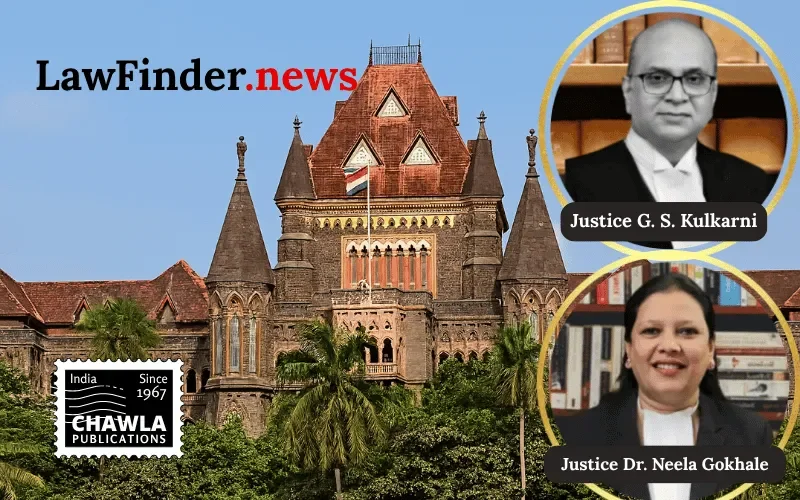
In a significant ruling on October 19, 2026, the Bombay High Court (Division Bench comprising Justices G.S. Kulkarni and Dr. Neela Gokhale) took a stringent stance against unauthorized audio-video recording of court proceedings inside its courtroom. The case arose when the learned Prothonotary & Senior Master noticed an individual covertly recording the court proceedings on a mobile phone during a session of ongoing writ petitions. The person was identified as Mr. Vijay Jethmaliya, the clerk to Advocate Amogh Singh, who admitted that he was recording the proceedings on instructions from a junior advocate, Mr. Rutuparn Deo.
The High Court emphasized that such recording is expressly prohibited under the Bombay High Court Rules governing Live-Streaming and Recording of Court Proceedings, specifically Rules 9.2 and 9.3, which forbid any person from recording, sharing, or disseminating court proceedings without prior written authorization from the Court. These rules are designed to protect the sanctity and confidentiality of judicial processes and to prevent unauthorized dissemination or misuse of sensitive court content.
The Court expressed surprise and disappointment that advocates, who are expected to uphold the highest standards of courtroom etiquette and legal ethics, were found violating these mandatory rules. The Court underscored that the unauthorized recording was illegal and warranted strict action.
Drawing upon precedents from other High Courts, including Punjab & Haryana, Karnataka, Rajasthan, and Delhi, the Court reiterated that unauthorized recording amounts to serious interference with the administration of justice and may constitute criminal contempt of court. The Court referred to the recent suo motu action in High Court on its Own Motion v. Shri Vilas Shamrao Wagh, where similar violations led to confiscation of the mobile device, imposition of fines, and warnings for possible contempt proceedings.
In the present case, the Bombay High Court ordered:
- Immediate seizure and confiscation of the mobile handset used for recording.
- Complete deletion of all data related to the court recording in the presence of the advocate, clerk, and IT officer, certified by a panchanama.
- Mr. Vijay Jethmaliya to pay Rs. 10,000/- and Advocate Rutuparn Deo to pay Rs. 25,000/- to the High Court Employees Medical Welfare Fund within two weeks.
- Both the advocate and clerk to file an undertaking not to indulge in unauthorized recording in the future, failing which contempt proceedings will be initiated.
- The Court refrained from initiating contempt proceedings immediately against the junior advocate, considering his status, but warned that any recurrence would attract appropriate legal action including contempt.
The Court also clarified that while court proceedings are open to the public, all persons present must adhere to the rules and maintain decorum, especially regarding use of communication and recording devices. Unauthorized recording is not only a violation of court rules but also an affront to the administration of justice.
This judgment highlights the Bombay High Court's firm commitment to preserving the integrity of judicial proceedings and serves as a stern warning to advocates and court attendees alike to respect the legal framework regulating courtroom conduct and media usage.
Bottom Line:
Court proceedings cannot be audio/video recorded without prior authorization of the Court; unauthorized recording by advocate's clerk on instructions of a junior advocate violates the High Court Live-Streaming and Recording Rules, warrants seizure and confiscation of mobile handset, deletion of data, imposition of costs, undertaking, and may invite contempt proceedings on recurrence.
Statutory provision(s):
Bombay High Court Rules on Live-Streaming and Recording of Court Proceedings (Rules 9.2, 9.3), Indian Copyright Act, 1957, Information Technology Act, 2000, Contempt of Courts Act, 1971