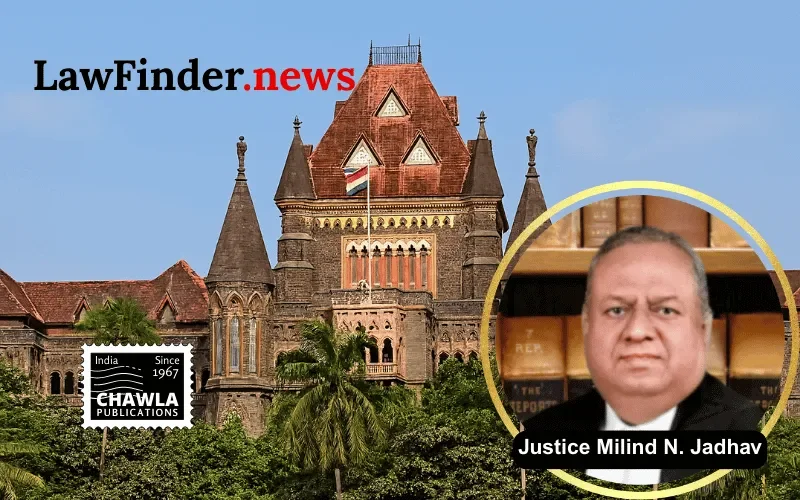
Court Allows Virtual Appearance for Mentally Ailing Accused and Seeks Clarification on Legal Aid Eligibility Criteria
In a significant order dated October 30, 2026, the Bombay High Court, presided over by Justice Milind N. Jadhav, declined to stay the criminal trial against Rajesh Kumar Satyapal Surlia, accused of impersonation and posting defamatory messages on Twitter against officials of Hindustan Petroleum Corporation Limited (HPCL) and a Union Minister. The petitioner had sought a stay on the trial proceedings on grounds of mental health issues and financial incapacity, supported by an outdated medical certificate from 2020.
The case relates to serious allegations under Section 66(C) of the Information Technology Act, 2000, and Sections 500 and 419 of the Indian Penal Code, 1860. The petitioner admitted to posting objectionable and defamatory content, attributing his conduct to his mental condition, and tendered an apology both privately and publicly on Twitter. However, the Court found the evidence insufficient to warrant a stay of trial, emphasizing that the defamatory nature of the posts warranted the legal process to continue.
The petitioner, a 45-year-old former HPCL employee residing in New Delhi, claimed ongoing psychiatric treatment and financial difficulties preventing him from attending court in Mumbai. The Court allowed him to apply for exemption from personal appearance or permission for virtual hearings before the trial court, provided he submits current medical evidence of his condition. The trial court was directed to consider such applications expeditiously and judiciously.
Besides the case's merits, the Court highlighted concerns regarding the criteria used to grant legal aid. The petitioner was represented by a legal aid lawyer, but there was no independent verification of his financial status or health condition except the outdated certificate. The Court issued directions to the Legal Aid Department to clarify its eligibility criteria and procedures, including whether income certification by a Tahsildar or other inquiries were conducted before granting aid. This step aims to ensure that state-funded legal representation is appropriately allocated.
The Court also issued notice to the complainant, the General Manager of HPCL, to be heard before any stay of proceedings could be granted. The petitioner's conduct, described as "per se defamatory and insinuating," necessitates that the law take its own course.
This order reaffirms the judiciary's commitment to balancing the rights of accused persons with the interests of justice, ensuring that mental health claims are substantiated, and safeguarding the integrity of legal aid programs.
Bottom Line:
Stay of criminal trial in prosecution for defamatory and objectionable social media posts declined at interim stage in absence of sufficient current medical material; accused permitted to seek exemption from personal appearance/virtual appearance before Trial Court. High Court also called for clarification from Legal Aid Department regarding criteria and verification for grant of legal aid.
Statutory provision(s):
Information Technology Act, 2000 Section 66(C), Indian Penal Code, 1860 Sections 500, 419, Legal Services Authorities Act, 1987
Rajesh Kumar Satyapal Surlia v. State of Maharashtra, (Bombay) : Law Finder Doc Id # 3014538