Court Recognizes Personality and Publicity Rights Under Articles 19(1)(a) and 21 of the Constitution and Copyright Act; Orders Immediate Takedown and Blocking of Infringing Content on Social Media, Chatbots, E-Commerce Platforms, and Pornographic Websites
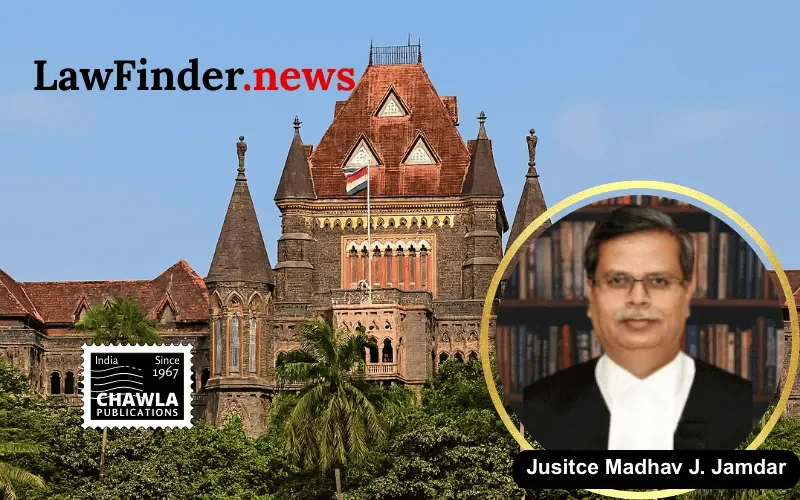
In a significant judgment delivered on October 1, 2026, the Bombay High Court, presided over by Justice Madhav J. Jamdar, granted an ad-interim injunction in favor of the renowned Indian actress Samantha Ruth Prabhu, restraining multiple defendants-including unidentified internet users, social media platforms, AI content portals, chatbot services, and e-commerce marketplaces-from unauthorized use and exploitation of her personality rights and publicity rights.
The suit arose from Samantha Ruth Prabhu's complaint against the creation and dissemination of AI-generated deepfake videos, morphed and pornographic images, impersonating chatbots, and unauthorized merchandise bearing her name, image, voice, and other persona indicia without her consent. The plaintiff argued that such unauthorized use not only infringed her valuable personality rights and moral rights as a performer but also caused irreparable damage to her reputation, dignity, and commercial interests.
The Court observed that the plaintiff's personality and publicity rights are protected under Articles 19(1)(a) and 21 of the Constitution of India, which guarantee the right to freedom of speech and expression, right to privacy, and the right to live with dignity. Moreover, her moral rights as a performer are safeguarded by Sections 38, 38A, and 38B of the Copyright Act, 1957. The Court held that the creation and circulation of AI-generated deepfake and pornographic content, impersonating chatbots with vulgar functionalities, and unauthorized commercial exploitation of the plaintiff's persona indicia amount to a violation of these rights.
The Court detailed the defendants involved, including:
- Defendant No. 1 ("John Doe/Ashok Kumar") representing unidentified persons engaged in systematic violations through AI-generated and morphed content.
- Defendant Nos. 2 and 3 (Meta Platforms Inc. and Google LLC) operating social media intermediaries such as Facebook, Instagram, YouTube, and Google search engine.
- Defendant Nos. 4 to 7 and 9 to 13 comprising online content portals, AI generative platforms, chatbot services, and pornographic websites hosting or disseminating infringing content.
- Defendant No. 8 (Amazon Seller Services Pvt. Ltd.) operating the e-commerce marketplace where unauthorized merchandise bearing the plaintiff's persona indicia was listed.
- Defendant Nos. 14 and 15, the Union of India through the Ministry of Electronics and Information Technology and Department of Telecommunications, impleaded to facilitate enforcement of blocking orders.
The Court granted the following key reliefs on an interim basis:
- Restraining the identified defendants and all persons acting through them from using, exploiting, imitating, or misappropriating Samantha Ruth Prabhu's name, image, voice, and other persona indicia by any technology including AI, deepfakes, or chatbots without her prior written consent.
- Directing immediate takedown, removal, and disabling of access to all infringing content on social media platforms, AI chatbot services, e-commerce listings, online portals, and pornographic websites.
- Empowering intermediaries to remove similar infringing material upon notification by the plaintiff, with liberty to raise objections in case of genuine content.
- Ordering the Union of India to issue necessary directions to block and disable access to URLs hosting obscene and pornographic AI-generated content falsely depicting the plaintiff.
The Court emphasized the irreparable injury caused by the continuing dissemination of such content, noting that monetary damages would be inadequate due to the unlimited replication and circulation potential on the internet.
The judgment also acknowledged the duty of intermediaries under Rule 3(1)(b) of the Information Technology (Intermediary Guidelines and Digital Media Ethics Code) Rules, 2021, which require them to act diligently to prevent hosting of infringing content.
The defendants Meta Platforms, Google LLC, and Amazon expressed no objection to implementing the order but highlighted potential challenges if genuine content is affected, for which a mechanism to communicate objections was incorporated by the Court.
The matter is scheduled for further hearing on December 10, 2026, with the interim injunction to continue until further orders.
This judgment marks a crucial step in protecting celebrity personality rights against emerging threats posed by AI technologies, deepfake content, and unauthorized online commercial exploitation, reinforcing the intersection of fundamental rights, copyright law, and intermediary liability.
Bottom Line:
Personality rights and publicity rights of a celebrity are protectable against unauthorised use through AI-generated deepfakes, morphed and pornographic content, impersonating chatbots and unauthorised merchandise - Ad-interim injunction granted directing takedown, blocking and disabling access to infringing content, with liberty to intermediaries to raise objections in respect of genuine material.
Statutory provision(s): Articles 19(1)(a) and 21 of the Constitution of India, Sections 38, 38A, and 38B of the Copyright Act, 1957, Rule 3(1)(b) of the Information Technology (Intermediary Guidelines and Digital Media Ethics Code) Rules, 2021
Samantha Ruth Prabhu v. John Doe (Ashok Kumar), (Bombay) : Law Finder Doc Id # 2990458