Court Reliance on Reliable Dying Declaration Confirms Active Instigation and Mens Rea Under Section 306 IPC in Tragic Case of Self-Immolation
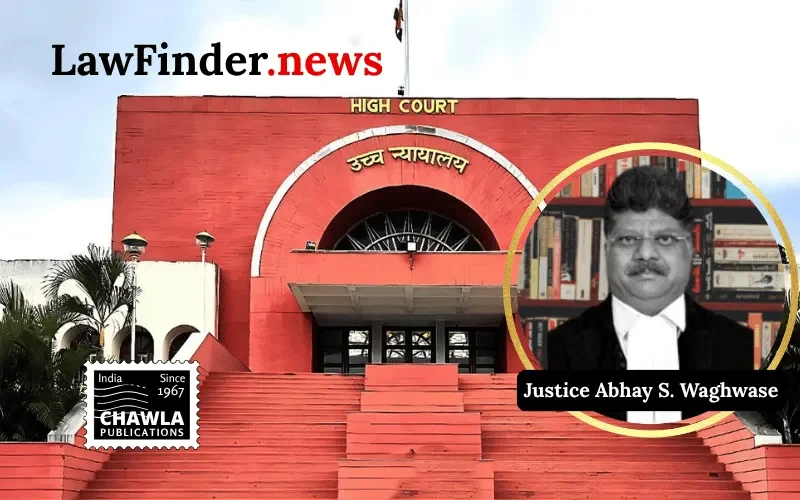
In a significant judgment dated October 6, 2026, the Aurangabad Bench of the Bombay High Court dismissed the criminal appeal filed by Shri Vijay, upholding his conviction under Section 306 of the Indian Penal Code (IPC) for abetment of his wife's suicide. The Court found that the accused husband's actions of coming home intoxicated, abusing, beating, pouring kerosene on the deceased, and telling her to die, constituted clear instigation and provocation that led to the wife setting herself on fire in anger.
The tragic incident occurred on July 25, 2013, when the deceased, Surekha, suffered 98% burns after allegedly igniting herself following a brutal episode of abuse by her husband. The prosecution's case, supported by the testimony of the deceased's parents and a dying declaration recorded by a Special Executive Magistrate, revealed that the accused was addicted to liquor and habitually abused his wife, even forcibly taking away her earnings from labour work.
The dying declaration, a pivotal piece of evidence, was recorded in hospital after medical certification confirmed the deceased's fitness to give a statement. It was noted that the accused, in a fit of rage, poured kerosene on her and suggested she die. Prompted by this, the deceased set herself ablaze. The Court emphasized that the accused's act of pouring kerosene was a positive and active step amounting to instigation, fulfilling the mens rea required under Section 306 IPC.
The defense argued that the deceased ignited herself out of anger and that the accused did not have the intention to cause her death, challenging the validity of the dying declaration citing procedural lapses such as absence of attestation on the toe impression and the use of a printed form. However, the Court found the dying declaration to be voluntary, prompt, and trustworthy, reinforced by medical certification and corroborative evidence.
Referencing Supreme Court precedents including Chitresh Kumar Chopra v. State and S. S. Chheena v. Vijay Kumar Mahajan, the Court reiterated that abetment requires a clear mental intention and active participation to instigate the act. Pouring kerosene and suggesting death clearly demonstrated such intent. The Court also dismissed comparisons made by the defense with other cases, distinguishing the facts as unique due to the accused's active involvement.
The Bombay High Court thus affirmed the trial court's judgment, confirming that the accused's conduct directly contributed to the wife's decision to end her life, and held that the conviction under Section 306 IPC was proper and justified. The appeal was consequently dismissed.
This judgment underscores the judiciary's stern stance against domestic violence and abuse that culminate in suicide, highlighting the evidentiary weight of dying declarations and the need to consider the totality of facts in cases of abetment.
Bottom Line:
Abetment of suicide - Husband came home drunk, abused and beat wife, poured kerosene on her and told her to die - Wife thereafter set herself on fire in anger - Held, pouring kerosene and suggesting deceased to die constituted clear instigation, provocation and active participation - Conviction under Section 306 IPC upheld on strength of reliable dying declaration.
Statutory provision(s):
Indian Penal Code, 1860 Sections 306, 107, 498A, 323, 504, 506
Vijay v. State of Maharashtra, (Bombay)(Aurangabad Bench) : Law Finder Doc Id # 2991552