Court Rejects 'Volunteer' Label to Deny CHVs Minimum Wage Entitlements, Ensures Dignified Wages Under Minimum Wages Act, 1948
In a significant judgment, the Bombay High Court has reinforced the statutory rights of Community Health Volunteers (CHVs) engaged by the Municipal Corporation of Greater Mumbai, asserting their entitlement to minimum wages under the Minimum Wages Act, 1948. The ruling comes as a response to multiple writ petitions filed by the Municipal Corporation, challenging an earlier decision by the Authority under the Minimum Wages Act, which mandated the payment of minimum wages to CHVs.
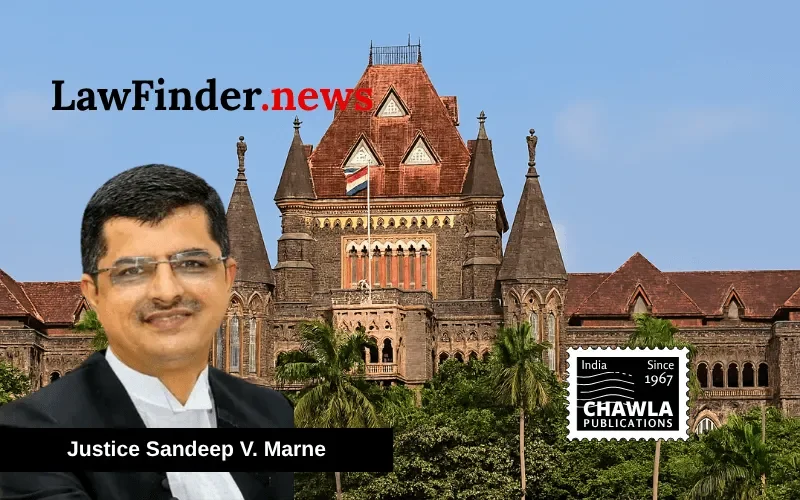
The case, presided over by Justice Sandeep V. Marne, focused on the status of CHVs who are engaged in crucial health-related programs across Mumbai's communities. Despite being labeled as "volunteers," the court acknowledged their indispensable role in public health initiatives, including maternal-child health and disease control, and ruled that they qualify as "employees" for the purpose of receiving minimum wages.
The High Court's decision emphasizes that the term "employee" under Section 2(i) of the Minimum Wages Act encompasses a broader scope than "workman" under the Industrial Disputes Act, 1947. Justice Marne highlighted that the CHVs, though engaged on a part-time basis, perform vital services for the Municipal Corporation and should be remunerated in accordance with statutory wage requirements.
Rejecting the Municipal Corporation's argument that financial constraints justify their current payment practices, the court asserted that economic burden does not override the legislative intent of ensuring dignified wages. The judgment also pointed out that the remuneration currently given as an honorarium of Rs. 14,000 per month is inadequate if it fails to meet minimum wage standards.
The ruling reinforces the principle of "equal pay for equal work," extending its application to temporary and part-time workers like CHVs, ensuring that their contributions are recognized with fair compensation. The court's stance is that the engagement of CHVs should not be misclassified to evade statutory responsibilities, emphasizing that labeling payments as "honorarium" cannot exempt the employer from compliance with wage laws.
This judgment marks a pivotal step towards protecting the rights of workers in informal and semi-formal sectors, setting a precedent for similar cases across the country. The decision reiterates the judiciary's commitment to upholding the dignity of labor by ensuring fair compensation, aligning with the objectives of the Minimum Wages Act.
Bottom Line :
Community Health Volunteers (CHVs) engaged by the Municipal Corporation for health-related programs are entitled to receive minimum wages under the Minimum Wages Act, 1948, despite being labeled as "volunteers." The term "employee" under Section 2(i) of the Minimum Wages Act is broader than "workman" under Section 2(s) of the Industrial Disputes Act, 1947, and encompasses individuals engaged for hire or reward in scheduled employment.
Statutory provision(s): Minimum Wages Act, 1948 Section 2(i), Industrial Disputes Act, 1947 Section 2(s), Contract Labour (Regulation and Abolition) Act, 1970 Section 21.