Court directs State to ensure smooth traffic flow amid student protests over alleged paper leak in MPSC Drug Inspector exam; demands of about 70,000 vacancies and procedural transparency to be addressed
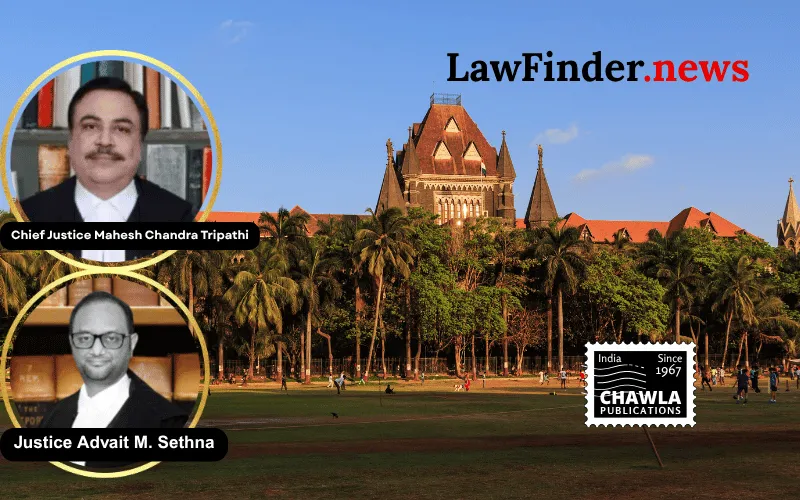
In a significant judgment delivered on October 7, 2026, the Bombay High Court (Division Bench comprising Chief Justice Mahesh Chandra Tripathi and Justice Advait M. Sethna) addressed the ongoing protests in Pune related to alleged malpractices in the Maharashtra Public Service Commission (MPSC) Drug Inspector recruitment examinations. The Court recognized the fundamental right of students to protest peacefully and lawfully but firmly held that such protests cannot disrupt public life by blocking roads, bridges, or other public spaces, thereby causing inconvenience to the general public.
The protests, which erupted following claims of a paper leak in the recruitment examination, involved demands including the removal of the MPSC Chairman under Article 317 of the Indian Constitution, immediate filling of approximately 70,000 vacancies across departments, capping exam fees at Rs. 100, and conducting all exams offline. The students initially suspended their agitation after a meeting with the Maharashtra Chief Minister on September 30, 2026, where assurances were given regarding addressing their demands. However, despite the withdrawal of permission for protests, unrest resurfaced, leading to blockades affecting daily commuters.
The Court noted the cultural and educational importance of Pune, dubbed the "Oxford of the East," emphasizing the need to balance the students' democratic right to dissent with the city's functioning. It directed the State to ensure the free flow of traffic and public convenience, while also urging protestors to conduct agitations only at permitted places with proper authorization.
Significantly, the Court took cognizance of the alleged paper leak, observing a prima facie case for fixing accountability and urging the State to expedite investigations and criminal proceedings. It also mandated a detailed affidavit from the State within three weeks, specifying:
- The exact number of vacancies by department vis-a-vis the claimed 70,000 posts,
- Steps undertaken to address student grievances,
- The planned mode and timeline for conducting subsequent examinations,
- Progress in investigation and action on FIRs regarding the paper leak,
- Efforts made concerning the representation under Article 317 for removal of the MPSC Chairman.
The State was also directed to maintain transparency by providing updates on the investigation and disciplinary proceedings.
The Court's order reflects a judicious approach to balancing constitutional freedoms with public order and administrative accountability. It underscores that democratic protests must be exercised without causing civil paralysis and that the State must act swiftly and transparently to restore trust in the recruitment process.
The matter has been listed for further hearing on November 25, 2026.
Bottom Line:
Right to peaceful protest must be exercised lawfully and without causing public inconvenience - In matter concerning protests against alleged malpractices in MPSC Drug Inspector recruitment examination, Court held that while students have a right to protest peacefully, blockades on roads, bridges and public spaces causing hardship to public cannot be countenanced - State directed to ensure free flow of traffic, place on record details regarding vacancies, steps on students' demands, progress of investigation into paper leak FIRs and action taken under Article 317 of Constitution.
Statutory provision(s): Constitution of India Article 19(1)(a), Article 19(1)(b), Article 317
Amit Balu Supekar v. State of Maharashtra, (Bombay)(DB) : Law Finder Doc Id # 2992746