Court delineates arbitration scope, holding that while consumer disputes fall under statutory consumer forums, non-consumer claims by developers remain arbitrable; unilateral arbitrator appointment clause struck down.
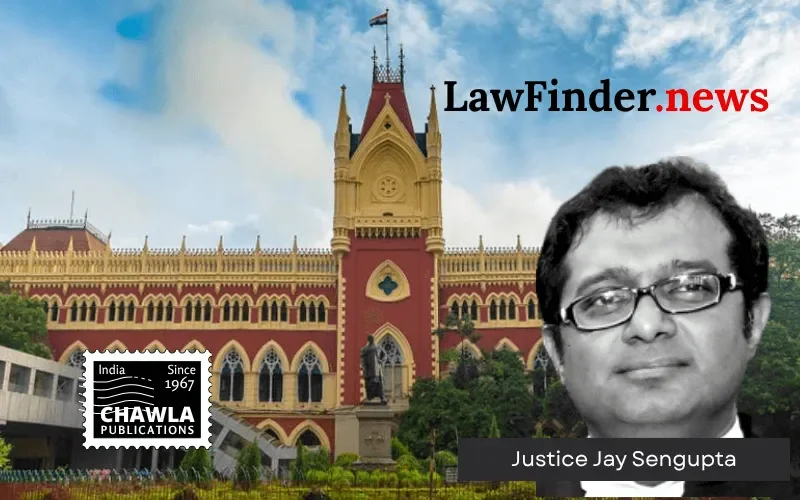
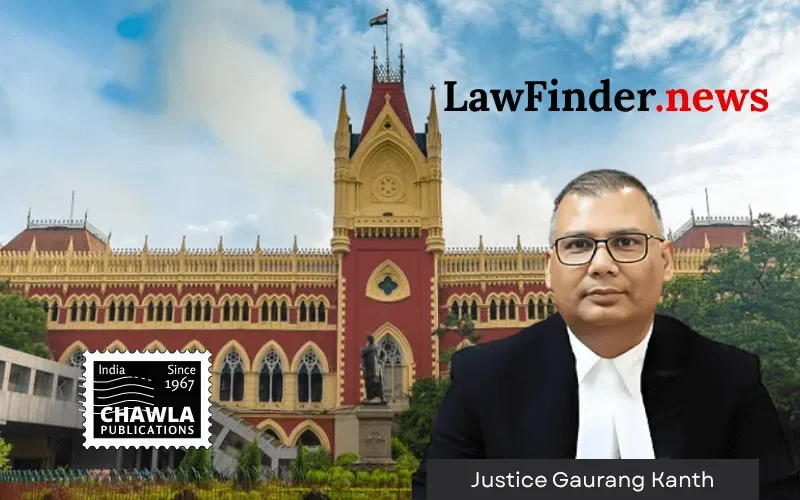
In a significant judgment dated October 15, 2026, the Calcutta High Court, presided over by Justice Gaurang Kanth, clarified the interplay between arbitration agreements and consumer protection laws in the context of real estate disputes. The case, Leisure Country Club and Resorts Private Limited v. Asim Kumar Ray and Another, revolved around a contractual dispute arising from an Agreement for Sale concerning a plot of land in North 24 Parganas.
The petitioner developer, Leisure Country Club and Resorts Pvt. Ltd., sought the appointment of a sole arbitrator under Section 11(6) of the Arbitration and Conciliation Act, 1996, to resolve disputes related to the sale agreement dated July 23, 2014. The agreement included an arbitration clause granting the developer the exclusive right to appoint the arbitrator. The respondents, purchasers of the plot, contested this move, asserting that they had already pursued their consumer grievances before the District Consumer Disputes Redressal Commission, which had passed a final ex parte order directing the developer to refund a substantial amount along with interest and compensation.
The court undertook a detailed analysis of the scope of Section 11 applications post the landmark Supreme Court rulings, including "In re: Interplay between Arbitration Agreements and the Indian Stamp Act" and "SBI General Insurance Co. Ltd. v. Krish Spinning." It reiterated that the referral court's jurisdiction under Section 11(6A) is limited to a prima facie examination of the existence of an arbitration agreement and whether the application is within limitation. All substantive objections, including arbitrability, res judicata, or accord and satisfaction, must be left for the arbitral tribunal's consideration.
Importantly, the court distinguished between consumer disputes and other claims by the developer. It held that consumer disputes, being grievances that the consumer is entitled to agitate before a consumer forum, are non-arbitrable at the instance of the developer once the consumer has elected the statutory remedy. However, claims independent of consumer disputes, which fall outside the consumer forum's jurisdiction, remain arbitrable. This distinction prevents the arbitration agreement from becoming a unilateral instrument favoring the developer alone.
The judgment also invalidated the arbitration clause empowering the developer to unilaterally appoint the sole arbitrator, relying on precedents such as Perkins Eastman Architects DPC v. HSCC (India) Ltd. Consequently, the court appointed an independent sole arbitrator, Mr. Sankar Prashad Dalapati, to adjudicate disputes other than those already decided by the consumer forum.
The court further clarified that nothing in its order suspends or affects the consumer forum's final order or pending execution proceedings. The arbitration process cannot substitute the statutory appeal mechanism available under consumer protection laws. Additionally, the pendency of criminal proceedings arising from the same transaction does not exclude arbitration of civil disputes under the contract.
This judgment reinforces the principle that while consumers enjoy special statutory protections and remedies, arbitration agreements remain valid and enforceable for other contractual claims. It balances the consumer's right to choose their forum and the developer's right to seek arbitration for non-consumer claims, thereby preserving the sanctity of arbitration without undermining consumer rights.
Bottom Line:
Arbitration and Conciliation Act, 1996 Section 11 Existence of arbitration agreement admitted - Consumer forum had already passed final order on consumer complaint - Held, consumer disputes cannot be referred to arbitration at instance of developer where consumer has elected statutory remedy, but independent claims of developer which are not consumer disputes may still be referred - Referral court under Section 11 to examine only existence of arbitration agreement and limitation of Section 11 application - Sole arbitrator appointed to adjudicate disputes other than consumer disputes - Unilateral appointment clause held unenforceable.
Statutory provision(s):
Arbitration and Conciliation Act, 1996 Sections 11(6), 11(6A), 12, 16; Code of Criminal Procedure, 1973 Section 156(3); Indian Penal Code Sections 418, 420, 467, 468, 120B; Consumer Protection Act, 1986 (and 2019) Sections 3, 12(4), 100