Court Rules Mere Matrimonial Discord and Suicide Note Naming Accused Insufficient to Frame Charge Under Section 306 IPC
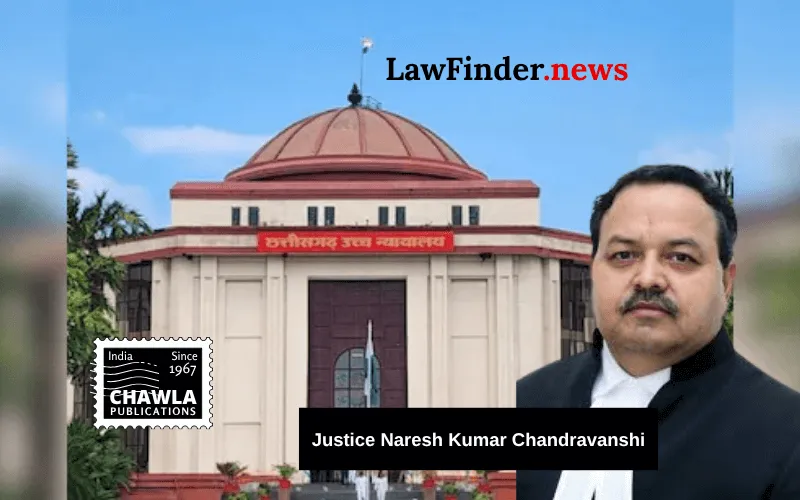
In a significant judgment delivered on September 26, 2026, the Chhattisgarh High Court, presided over by Justice Naresh Kumar Chandravanshi, upheld the discharge of Ravi Kumar Sahu from charges under Section 306 of the Indian Penal Code (IPC) for abetment of suicide. The accused, who is the brother of the deceased's wife, was alleged to have harassed the deceased, Komalchand Sahu, leading to his suicide by jumping before a running train.
The case arose from the tragic death of Komalchand Sahu on July 3, 2017, near Madhya Barga Crossing, Rajnandgaon. The deceased's family contended that the accused repeatedly pressured Komalchand to live separately from his wife's family and shift residence, coupled with threats of implicating him in a dowry case. A suicide note was recovered, wherein the deceased attributed his death to Ravi Kumar Sahu.
However, after thorough examination of the prosecution material, the High Court noted that mere matrimonial discord and family disputes, even if proven, do not satisfy the legal threshold for abetment under Section 306 IPC. The Court emphasized that abetment requires a proximate act of instigation or intentional aid by the accused, coupled with mens rea, which was absent in this matter.
The Court referred to several landmark Supreme Court rulings, including Ude Singh v. State of Haryana and Vinod Shivakumar v. State of Maharashtra, underscoring that harassment alone, without a direct or indirect instigation closely connected to the suicide, is insufficient to sustain charges under the said provision. It also highlighted that a suicide note mentioning the accused's name cannot alone establish criminal liability without corroborative evidence of deliberate instigation.
The judgment also scrutinized the statements of witnesses who spoke about household articles being thrown out and threats made by the accused. The Court found these allegations vague and lacking temporal proximity to the suicide to establish a causal link.
Consequently, the Sessions Judge's order discharging the accused under Section 227 Cr.P.C. was affirmed, and the State's criminal revision petition was dismissed. This verdict reiterates the stringent requirements for prosecution under Section 306 IPC, safeguarding individuals from unwarranted criminal proceedings based solely on familial disputes and uncorroborated suicide notes.
The ruling provides clarity on the evidentiary standards necessary for framing charges of abetment of suicide, balancing the need for justice with protection against misuse of criminal law provisions in matrimonial matters.
Bottom Line:
Abetment of suicide - Mere matrimonial discord, pressure to live separately, alleged harassment and mere naming of accused in suicide note, without any proximate act of instigation or intentional aid coupled with mens rea, are insufficient to frame charge under Section 306 IPC - Discharge under Section 227 Cr.P.C. upheld.
Statutory provision(s):
Indian Penal Code Sections 306, 107; Code of Criminal Procedure Sections 227, 397, 401
State of Chhattisgarh v. Ravi Kumar Sahu, (Chhattisgarh) : Law Finder Doc Id # 2992749