Court Recognizes Constraints of Simultaneous Legal Practice and Academic Pursuits
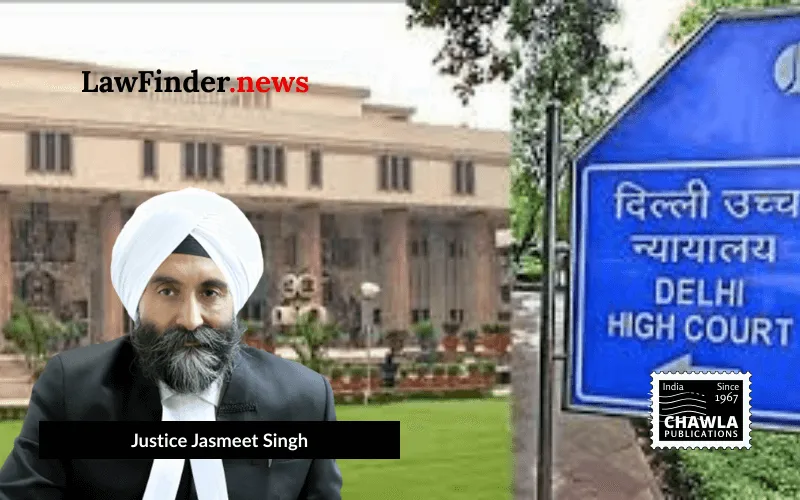
In a significant ruling, the Delhi High Court permitted Aditya Singh, a practicing advocate and student of the LL.M. three-year course at the University of Delhi, to continue his studies despite not meeting the mandatory attendance requirements. The decision, made by Justice Jasmeet Singh, acknowledges the challenges faced by students who balance legal practice with academic commitments.
The petitioner, Aditya Singh, was initially barred from appearing in his second semester examinations due to a 43.5% attendance record, falling short of the required 67.5%. His legal counsel argued that the class schedule clashed with court timings, preventing Singh from attending sufficient lectures. The LL.M. course is specifically designed to allow students to continue practicing law while pursuing their degree, a factor that Justice Singh considered pivotal in his judgment.
The court accepted Singh's undertaking to make up for the attendance shortfall in subsequent semesters, along with his commitment to pay any outstanding fees. This decision underscores the court's recognition of the LL.M. program’s objective to facilitate continuous legal practice for students.
Justice Singh emphasized that the ruling was made under the peculiar facts of the case, highlighting the importance of flexibility in educational requirements for working professionals. While the petition was successful for Singh, it was dismissed in regard to other petitioners due to lack of representation.
This judgment sets a precedent for accommodating the dual responsibilities of legal professionals pursuing higher education.
Bottom Line :
A student pursuing an LL.M. three-year course while practicing as an advocate may be permitted to continue the course despite falling short of attendance requirements if the student provides an undertaking to make up the shortfall in succeeding semesters. This decision is based on the objective of the course to enable students to continue legal practice while pursuing their education.
Statutory provision(s): Article 226 of the Constitution of India
Aditya Singh v. University of Delhi, (Delhi) : Law Finder Doc id # 2967803