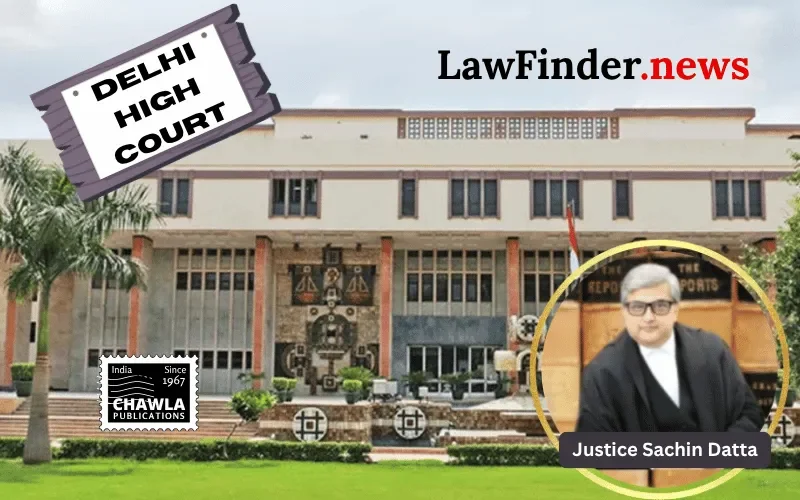
In National Highways Authority of India v. M/s. IRB Westcoast Tollway Ltd, Court distinguishes tribunal recusal from termination under Section 32 of Arbitration and Conciliation Act, 1996 and mandates substitution of arbitrators under Section 15(2).
In a significant judgment dated October 16, 2026, the Delhi High Court delivered a detailed verdict in the arbitration dispute between the National Highways Authority of India (NHAI) and M/s. IRB Westcoast Tollway Ltd. The court was called upon to decide whether the recusal of all members of an arbitral tribunal on account of disagreement regarding arbitral fees amounts to termination of arbitral proceedings under Section 32 of the Arbitration and Conciliation Act, 1996 (A&C Act), or whether it merely leads to withdrawal from office requiring substitution of arbitrators under Section 15(1)(a) and 15(2) of the Act.
The dispute arose from a concession agreement dated March 25, 2013, related to a highway project on NH-66. Various sets of claims amounting to over Rs. 3500 crores were raised by the concessionaire, and arbitration proceedings were initiated under the agreed arbitration clause. A three-member arbitral tribunal was constituted in October 2024. However, on July 16, 2025, the entire tribunal recused itself due to disagreement with one party on the quantum of fees, as recorded in Procedural Order No. 6. The respondents contended that this recusal terminated the arbitral proceedings, invoking the Supreme Court judgment in Harshbir Singh Pannu v. Jaswinder Singh (2025), which governs termination and recall remedies under Section 32.
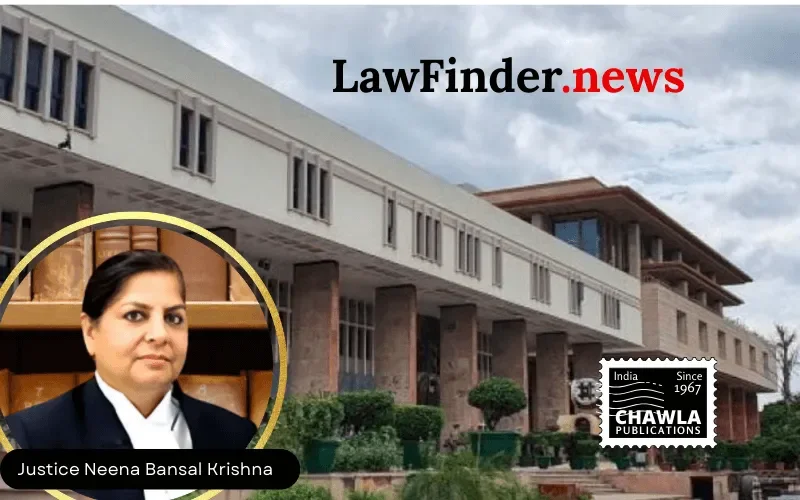
The Delhi High Court, presided by Justice Sachin Datta, rejected the respondents' contention, holding that the recusal did not amount to termination of proceedings under Section 32(2)(c). The order did not expressly terminate the proceedings, nor did it refer to Section 32 or record any finding that continuation had become impossible or unnecessary. Instead, the recusal was construed as withdrawal from office by each arbitrator under Section 15(1)(a), which triggers the statutory mechanism of substitution under Section 15(2).
The Court emphasized the legislative distinction between termination of an arbitrator's mandate (Sections 13-15) and termination of arbitral proceedings (Section 32). Termination of proceedings requires a formal order by the tribunal under Section 32(2). Withdrawal or recusal results only in the termination of the individual arbitrator's mandate, necessitating the appointment of substitute arbitrators as per the original appointment procedure. The Court further noted that the arbitral proceedings continue despite substitution, as prior hearings and orders remain valid under Sections 15(3) and 15(4).
The Court also distinguished the facts of the Harshbir Singh Pannu case, which involved an express order terminating proceedings due to non-payment of fees by the parties, from the present case where no such termination order exists. The remedies prescribed in Harshbir Singh Pannu - recall of termination order and approach to Court under Section 14(2) - presuppose the existence of an order terminating proceedings and a tribunal capable of recalling it, which were absent here.
Importantly, the Court noted the inconsistent conduct of the respondents who, despite claiming termination, had nominated a substitute nominee arbitrator and invoked Section 11(6) for appointment of a presiding arbitrator after recusal. This conduct negated their claim that the reference had ended. Consequently, the Court appointed Mr. Justice (Retd.) Rajesh Bindal, former Judge of the Supreme Court of India, as the substitute presiding arbitrator, alongside the party-nominated arbitrators, to complete the tribunal constitution and resume proceedings from the stage where they stood on July 16, 2025, subject to the tribunal's discretion.
The judgment clarifies the legal position that simultaneous recusal of all arbitrators does not automatically terminate arbitral proceedings; rather, it invokes the statutory substitution mechanism to ensure continuity of arbitration. This ruling reinforces the procedural safeguards within the Arbitration and Conciliation Act, 1996, maintaining arbitration as an effective dispute resolution mechanism without unnecessary disruptions.
Bottom Line:
Arbitration and Conciliation Act, 1996 - Recusal of all members of an arbitral tribunal on account of disagreement regarding arbitral fees does not by itself terminate arbitral proceedings under Section 32 - Such recusal amounts to withdrawal from office under Section 15(1)(a), requiring substitution of arbitrators under Section 15(2) - Fresh appointment of substitute presiding arbitrator by Court held maintainable.
Statutory provision(s): Arbitration and Conciliation Act, 1996 Sections 11(6), 12, 13, 14, 15(1)(a), 15(2), 15(3), 15(4), 25, 30, 32(2)(c), 32(3), 38(2)