Court directs Delhi Police and University authorities to enforce Lyngdoh Committee norms strictly and prevent post-election disturbances, warning of criminal, administrative, and contempt proceedings for violations.
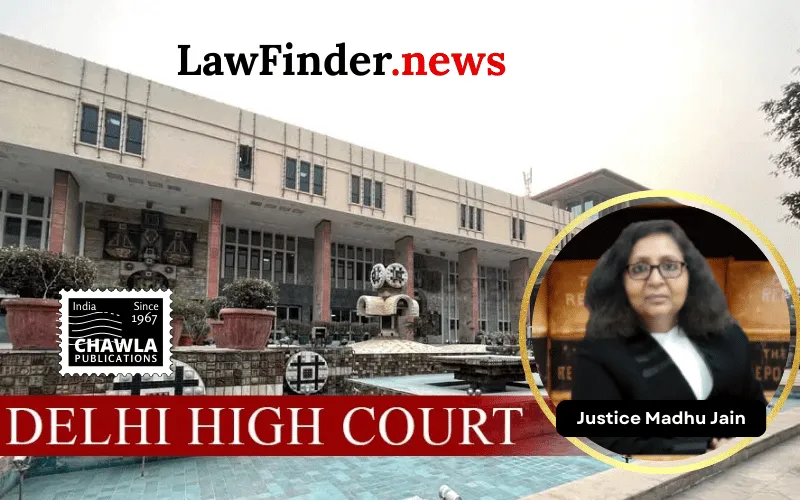
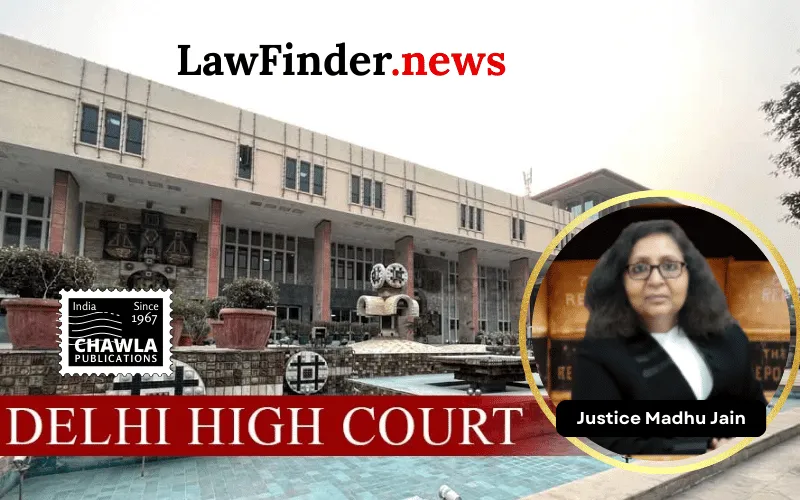
In a significant ruling on September 18, 2026, the Delhi High Court (Division Bench) expressed strong displeasure over the repeated violations of the Lyngdoh Committee recommendations during the ongoing Delhi University Students' Union (DUSU) Elections. The Court noted rampant misconduct by students, candidates, and student organizations, including acts amounting to hooliganism and criminal offenses.
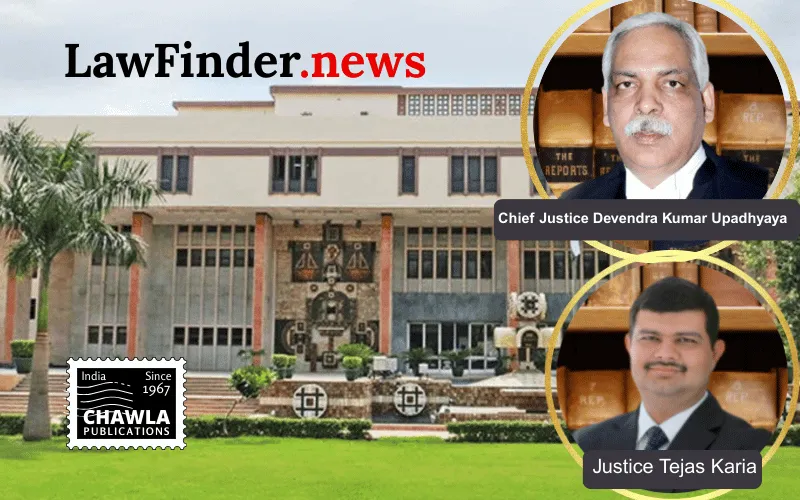
The Court, presided over by Chief Justice Devendra Kumar Upadhyaya and Justice Tejas Karia, took note of status reports filed by the Delhi Police and Delhi University authorities detailing actions taken, such as filing FIRs, vehicle impoundments, and arrests. However, the Court observed that these measures have not served as sufficient deterrents.
Highlighting the urgency to restore order, the Court ordered the issuance of notices to all 140 contesting candidates and student organizations involved in the elections. It proposed the imposition of collective electoral damages on both individual violators and their affiliated organizations to curb further misconduct. The petitioner's counsel was directed to submit a detailed compilation of violations within two weeks, following which the candidates and organizations would have an opportunity to respond.
A landmark directive from the Court prohibits any victory processions after the declaration of election results "whether on Delhi's roads or within university campuses and hostels. The Delhi Police have been tasked with ensuring strict compliance, with any breach attracting criminal and administrative penalties alongside contempt of court charges.
Further, the Court reiterated prior orders mandating Delhi Police, Delhi University administration, and the Municipal Corporation of Delhi to take all necessary preventive actions. These include ensuring adherence not only to the Lyngdoh Committee recommendations but also to the Prevention of Damage to Public Property Act, 1984, and the Delhi Metro Rail (O&M) Act, 2002. Immediate action is to be taken on any reported violations.
The Court's directions aim to uphold the sanctity of the electoral process and maintain public order during the highly charged DUSU elections, emphasizing collective responsibility and stringent enforcement against electoral misconduct.
The next hearing in the matter is scheduled for November 6, 2026.
Bottom Line:
Directions were issued to Delhi Police and Delhi University administration to ensure adherence to Lyngdoh Committee recommendations and prevent violations during DUSU elections. Victory processions post-election results were prohibited, and collective electoral damages were proposed for violators.
Statutory provision(s): Prevention of Damage to Public Property Act, 1984, Delhi Metro Rail (Operation and Maintenance) Act, 2002
Prashant Manchanda v. Union of India, (Delhi)(DB) : Law Finder Doc Id # 2981413