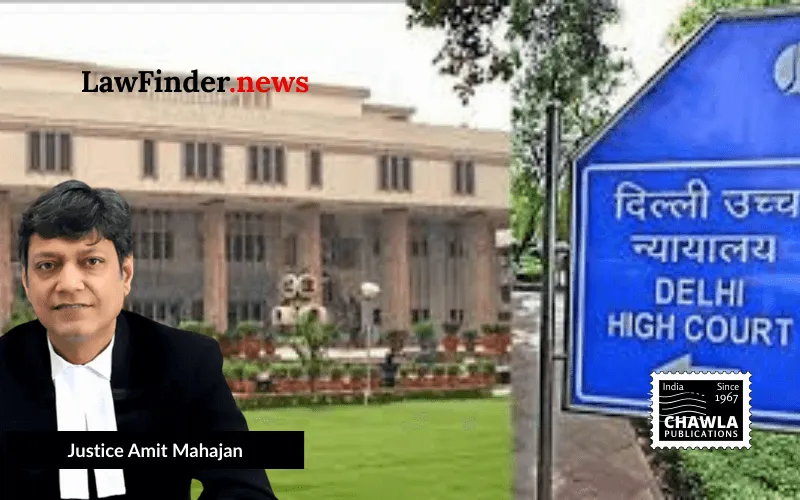
Court weighs romantic relationship, inconsistent victim statements, and prolonged custody against gravity of charges under IPC and POCSO Act
In a significant judgment dated October 6, 2026, the Delhi High Court, presided over by Justice Mini Pushkarna, granted bail to Vicky @ Vikky, a 20-year-old accused in a high-profile Protection of Children from Sexual Offences (POCSO) case. The case involved serious allegations of abduction and sexual assault against a minor girl aged 14 years and 8 months. Despite the gravity of the charges under Sections 363, 368, 376, 328, 34 of the Indian Penal Code (IPC) and Sections 6 and 21 of the POCSO Act, the court considered mitigating factors to allow bail after the accused's incarceration of over three years.
The case originated from a missing complaint lodged by the victim's father in July 2023, when the victim did not return from school. The police investigation revealed that the victim had left home on her own accord following a scolding by her mother and had been staying with her maternal aunt. Initial statements under Section 161 CrPC indicated no complaint against the accused. However, a supplementary statement later alleged that Vicky had kept the victim against her will and sexually assaulted her.
Medical examination and forensic analysis were conducted, with mixed DNA evidence recovered from a blanket at the scene but no male DNA detected from the cervical swabs of the victim. The investigation was complete, and the trial was underway with only two of nineteen prosecution witnesses examined.
The defense highlighted that the victim and the accused had been in a known romantic relationship for approximately eight to nine months prior to the incident, with intimate photographs posted on social media platforms like Instagram. The accused had no criminal antecedents, was a permanent resident of Delhi, and posed no flight risk. The prosecution strongly opposed bail, emphasizing the serious nature of the offences and the irrelevance of consent under the POCSO Act.
While acknowledging the seriousness of the offence, the court drew upon precedent from a 2021 Delhi High Court ruling in Praduman v. State, which recognized the complexities of adolescent romantic relationships in POCSO cases. The judgment outlined relevant factors for bail consideration, including the ages of the parties, nature of the relationship, existence of threats or violence, and the conduct of the accused post-incident.
Justice Pushkarna observed that the victim's initial denial of any complaint, the established romantic involvement, the young age of both parties, the applicant's long incarceration without trial conclusion, and lack of criminal history collectively tilted the balance in favor of bail. The court imposed stringent conditions, including personal bond, regular police reporting, prohibition against influencing witnesses, and mandatory court appearances.
The order clarifies that the bail decision does not prejudge the trial's merits and is solely for the purpose of the bail application. The judgment underscores the judiciary's nuanced approach in balancing the protection of minors with the rights of the accused in complex POCSO matters involving adolescent relationships.
Bottom Line:
Bail under BNSS in POCSO case - Though consent of minor is irrelevant in law, bail can be granted considering mitigating factors such as romantic relationship between accused and victim, inconsistent statements of victim, young age of both parties, long incarceration, absence of criminal antecedents, and likely delay in conclusion of trial.
Statutory provision(s):
Bharatiya Nagarik Suraksha Sanhita, 2023 Section 483, Indian Penal Code Sections 363, 368, 376, 328, 34, Protection of Children from Sexual Offences Act, 2012 Sections 6, 21
Vicky @ Vikky v. State (Govt. of NCT of Delhi), (Delhi) : Law Finder Doc Id # 2991776