Court protects personality rights and trademark infringement claims in landmark ruling, directing social media platforms to block and remove fake AI-generated medical promotional content
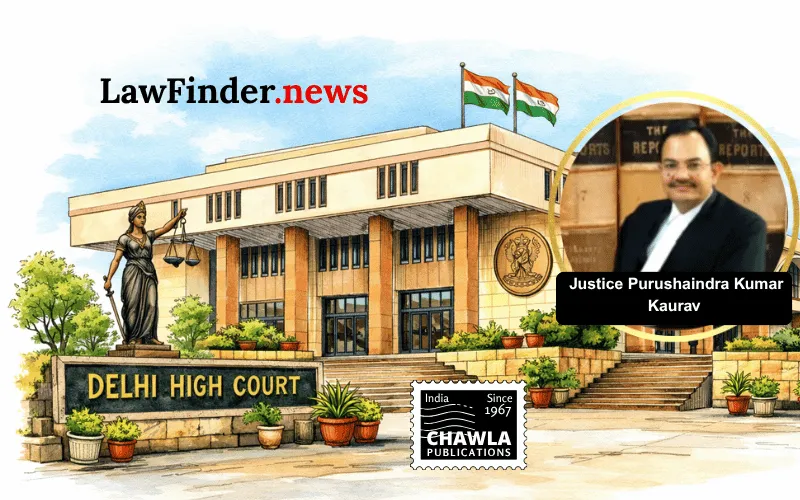
In a significant judgment dated October 5, 2026, the Delhi High Court, presided over by Mr. Purushaindra Kumar Kaurav, J., has decreed a suit filed by renowned cardiac surgeon Dr. Devi Prasad Shetty and Narayana Hrudayalaya Ltd. against multiple defendants for the misuse of Dr. Shetty's personality through AI-generated deepfake videos and unauthorized use of the hospital group's registered trademarks.
The plaintiffs, led by Dr. Shetty-who has performed over 15,000 heart surgeries and been honored with the Padma Shri and Padma Bhushan-alleged that defendants created and circulated fabricated audiovisual content depicting Dr. Shetty endorsing unverified medicines for diabetes, hypertension, and other ailments. These videos not only falsely attributed medical claims to Dr. Shetty but also employed the registered `N-1' device mark and `Narayana Health' trademarks of the plaintiff hospital group, thereby infringing trademark rights and misleading the public.
The Court noted that despite service, defendants failed to file any written statements or contest the suit, which allowed the Court to proceed under Order VIII Rule 10 of the Civil Procedure Code, 1908, to expedite disposal. Emphasizing that the plaint and accompanying electronic evidence were unimpeachable and self-explanatory, the Court held no requirement for plaintiffs to lead further ex parte evidence.
Addressing the misuse of Dr. Shetty's personality rights, the Court recognized the protection extended to publicity rights of well-known individuals against deepfake technology and artificial intelligence manipulations. The Court observed that such fabricated medical endorsements not only tarnished the reputation of Dr. Shetty but posed serious risks to public health by inducing reliance on false medical advice.
Regarding trademark infringement, the Court found that unauthorized use of the `N-1' device mark and `Narayana Health' marks in the fake videos and social media posts amounted to infringement under Section 29 of the Trade Marks Act, 1999. The Court also noted that declarations of well-known status for these marks under Section 11(6) would require separate proceedings.
The Court confirmed interim injunctions previously granted and issued directions to Meta Platforms Inc. and Google LLC-the hosting intermediaries-to block and remove the infringing content and disclose details of the infringers. The plaintiffs were given liberty to notify these platforms of any subsequently discovered infringing URLs or content, with an obligation on the platforms to act expeditiously as per their policies, failing which the plaintiffs could approach the Court again for enforcement.
The judgment is consistent with prior rulings emphasizing the need to protect personality rights in the digital age and to curb misuse of registered trademarks on online platforms. It also illustrates the judiciary's pro-active approach in addressing challenges posed by emerging technologies like AI and deepfakes in the healthcare domain.
The suit stands decreed with permanent injunctions against defendants and directions for ongoing monitoring and removal of infringing content, marking an important precedent in the intersection of intellectual property, personality rights, and digital regulation.
Bottom Line:
Personality rights and publicity rights of a renowned individual, including name, image, voice and likeness, are protectable against misuse through AI/deepfake content; where defendants remain non-contesting and plaint/documents are unimpeachable, suit can be decreed under Order VIII Rule 10 CPC without requiring ex parte evidence; use of registered healthcare marks in such fake medical promotional content also amounts to trademark infringement, and plaintiffs can be given liberty to notify intermediaries regarding subsequently discovered infringing URLs/content.
Statutory provision(s):
Civil Procedure Code, 1908 Order VIII Rule 10, Trade Marks Act, 1999 Section 2(1)(zg), Section 11(6), Section 29, Delhi High Court (Original Side) Rules, 2018 Chapter VII Rule 3, Chapter XI Rule 24
Dr. Devi Prasad Shetty v. Medicine Me, (Delhi) : Law Finder Doc Id # 2993498