Court Holds LOC Cannot Be Used Routinely as Coercive Measure; Petitioner's Travel Allowed Under Trial Court Supervision
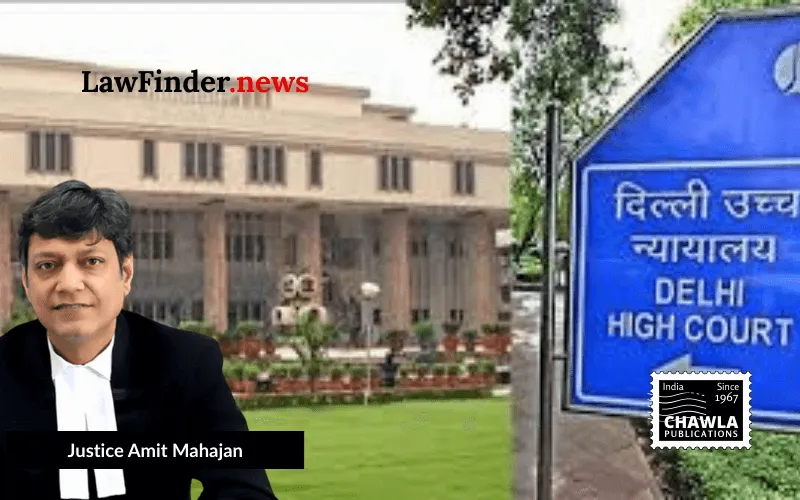
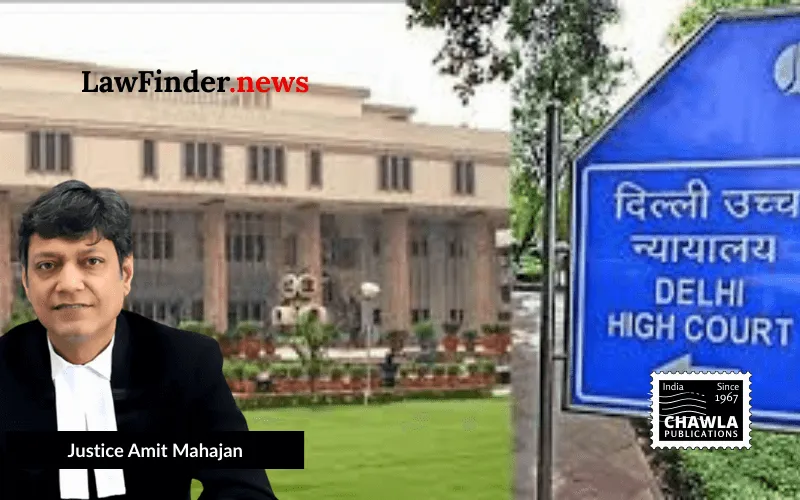
In a significant ruling delivered on September 30, 2026, the Delhi High Court, presided by Justice Amit Mahajan, quashed the Look Out Circular (LOC) issued against Rajat Gupta, the erstwhile director of a borrower company implicated in a bank fraud case involving the Bank of Baroda. The LOC was initially issued at the instance of the Bank of Baroda following a complaint lodged with the Central Bureau of Investigation (CBI) concerning non-performing loan accounts declared as "fraud".
The Court observed that the LOC is a coercive measure and should not be employed routinely merely because the petitioner is undergoing trial. It emphasized that the issuance and continuation of such a travel restriction must be justified by concrete circumstances warranting restraint on an individual's fundamental right to travel. In the present matter, there was no material to indicate that the petitioner was likely to abscond. The investigation was complete, charge-sheets had been filed, and the trial court had taken cognizance of the case. Moreover, Rajat Gupta had been granted bail with the condition that he would seek permission from the trial court before traveling abroad.
The petitioner had previously been granted permission by the trial court to travel to Kazakhstan for business purposes related to his ayurvedic medicines enterprise. Despite this, he was stopped at the airport due to the LOC issued by the Bank of Baroda. The trial court intervened and stayed the LOC temporarily, allowing the petitioner to undertake his travel, which was not misused.
The Court further noted that the LOC issued by the CBI in connection with the same case had already been suspended following the completion of investigation and filing of charge-sheets. It held that the Bank of Baroda's apprehension regarding potential flight risk or financial claims could not alone justify the indefinite continuation of the LOC, especially when the petitioner's travel was subject to court supervision and bail conditions.
Consequently, the Court quashed the LOC issued at the instance of the Bank of Baroda. However, it clarified that this decision does not impact the ongoing criminal proceedings or the conditions imposed by the trial court regarding bail and travel. The petitioner must continue to comply with all directions and restrictions as imposed by the trial court.
This judgment reinforces the principle that coercive restrictions on fundamental rights such as the right to travel must be justified by compelling reasons rather than being applied as a routine procedural measure during ongoing trials.
Bottom Line:
Look Out Circular issued at the instance of a bank cannot be continued as a matter of routine merely because the petitioner is facing trial, particularly when investigation stands concluded, charge-sheets have been filed, cognizance has been taken, the petitioner is on bail, travel is regulated by the Trial Court, and there is no material to show likelihood of absconding.
Statutory provision(s): Relevant procedural laws relating to LOC issuance and criminal trial procedure implicitly involved.
Rajat Gupta v. Union of India, (Delhi) : Law Finder Doc Id # 2990505