Court Orders Immediate Action on Infrastructure Upgrades to Prevent Untreated Sewage from Polluting Yamuna River
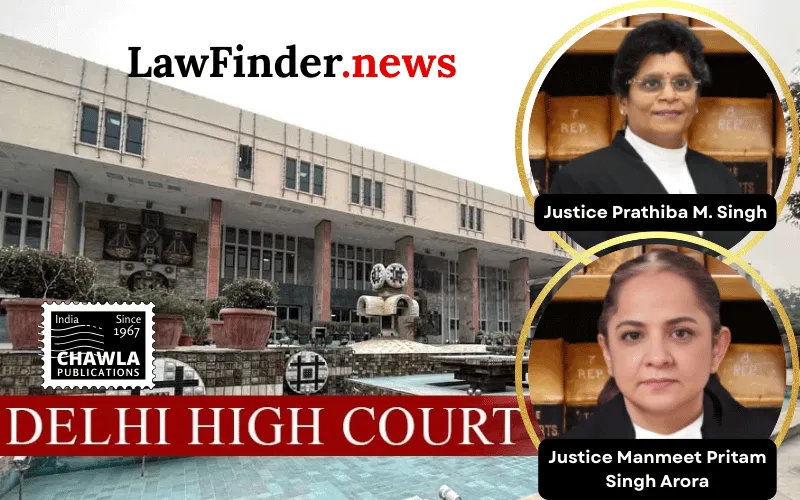
In a landmark decision addressing long-standing infrastructural issues in Delhi, the Delhi High Court has directed immediate action to tackle waterlogging and sewage management in the city. The order, passed by a bench comprising Justice Prathiba M. Singh and Justice Manmeet Pritam Singh Arora, focuses on upgrading existing sewage treatment plants (STPs), constructing new ones, and redeveloping non-conforming industrial areas to prevent untreated sewage from flowing into the Yamuna River.
The judgment stems from a series of concerns raised about the safety and environmental hazards posed by the current state of water management in the city. A significant part of the court's directive involves the Municipal Corporation of Delhi (MCD) and the Delhi Jal Board (DJB) working in tandem to ensure that open drains, particularly the Abul Fazal Drain, are covered to prevent accidents and health risks to the public. The court has instructed MCD to construct a separator wall and cover the drain immediately, even without a 'No Objection Certificate' from the Uttar Pradesh Irrigation Department, due to the urgent nature of the hazard.
The court also emphasized the need for the upgradation and creation of STPs. Currently, 11 STPs are undergoing upgrades, with two already meeting the latest standards prescribed by the National Green Tribunal. The court set deadlines for the remaining STPs to be upgraded by December 2027 to May 2028. This initiative aims to significantly reduce the untreated sewage entering the Yamuna River, thereby improving water quality.
In addition to addressing sewage treatment, the court has directed the Delhi Development Authority (DDA), MCD, and other relevant authorities to expedite the redevelopment of 27 non-conforming industrial areas. Special focus is given to areas like Samaypur Badli and Phirni Road, where plans have been delayed. Meetings have been scheduled to establish timelines and coordinate efforts among various stakeholders to ensure timely implementation.
The High Court's order reflects a comprehensive approach to urban planning and environmental protection, highlighting the importance of coordinated action among multiple government bodies. The decision underscores the judicial system's role in enforcing environmental regulations and public safety measures. Authorities have been mandated to file periodic status reports to monitor the progress of these directives.
By setting specific deadlines and prioritizing essential infrastructure projects, the Delhi High Court aims to prevent future environmental degradation and ensure the safety of Delhi's residents. The next hearing is scheduled for September 25, 2026, where additional issues related to common effluent treatment plants (CETPs) and pollution interplay will be discussed.
Bottom Line :
Directions issued by the Delhi High Court for addressing waterlogging in the Okhla area, upgradation of Sewage Treatment Plants (STPs), and redevelopment of non-conforming industrial areas to ensure proper sewage management and eliminate untreated sewage flowing into the Yamuna river.
Statutory provision(s): Municipal Corporation of Delhi, Delhi Jal Board, Delhi Development Authority, National Green Tribunal, Namami Gange Authority
Court on its Own Motion v. Union of India, (Delhi)(DB) : Law Finder Doc id # 2967109