Disciplinary Authority's failure to follow procedural fairness and unjustified withholding of wages led to quashing of removal order and reinstatement with full back wages for conductor Rajender Prashad
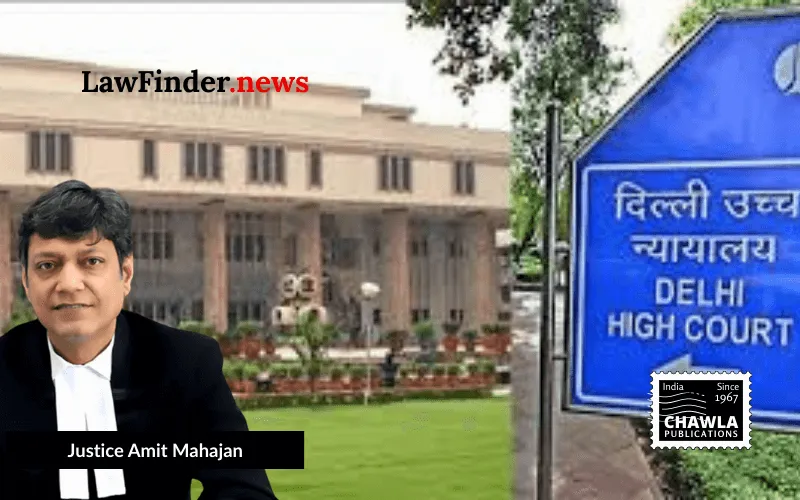
In a significant ruling dated September 2, 2026, the Delhi High Court upheld an award passed by the Industrial Tribunal in favour of Rajender Prashad, a conductor formerly employed with the Delhi Transport Corporation (DTC). The Court found that the disciplinary proceedings against Prashad were flawed due to procedural irregularities and that the punishment meted out-removal from service-was illegal and without justification.
The case stemmed from an incident on November 15, 1994, when the respondent was accused of collecting fare from passengers without issuing tickets. Following this, he was suspended and charged. However, the enquiry officer who conducted the disciplinary enquiry exonerated Prashad, finding the charges unproven. The disciplinary authority, instead of accepting the enquiry officer's findings, disagreed without providing any tentative reasons or communicating this disagreement to the respondent, and proceeded to issue a show-cause notice proposing removal from service.
Prashad challenged this show-cause notice and subsequent removal order but was initially unsuccessful. The appellate authority later modified the punishment, reinstating him without back wages but reducing his pay scale for two years. Prashad then raised an industrial dispute contesting the modified punishment and claiming wages for the intervening period.
The Industrial Tribunal ruled in his favour, holding that the disciplinary authority's disagreement with the enquiry officer's findings was procedurally unfair. The Tribunal further held that Prashad was entitled to wages for the period from August 14, 1996, to January 13, 1998, as the management failed to justify withholding them.
The Delhi High Court affirmed the Tribunal's decision, emphasizing the limited scope for interference under Articles 226 and 227 of the Constitution of India, which requires the Court to find patent illegality or perversity before disturbing Tribunal awards. The Court observed that the disciplinary authority's failure to communicate reasons for disagreement and denial of a fair opportunity amounted to a violation of natural justice principles.
Moreover, the Court condemned the petitioner department for engaging in protracted litigation spanning over 32 years on a relatively minor claim. Such prolonged legal battles were deemed an abuse of the process of law, resulting in unnecessary expenditure of public funds. Consequently, the Court imposed costs totaling Rs. 1,00,000 on the petitioner DTC, directing payment partly to the Delhi High Court Legal Services Committee, the Prime Minister's Relief Fund, and the respondent himself. The department was also granted liberty to recover these costs from the responsible officer.
The petition filed by DTC was dismissed, and the judgment reinforces the principle that disciplinary authorities must adhere to procedural fairness and that employees are entitled to wages during periods of unlawful suspension or removal.
Bottom Line:
Industrial Tribunal's award upheld, as disciplinary authority failed to follow due procedure in disagreeing with the enquiry officer's exoneration of the workman and failed to justify withholding wages for intervening period.
Statutory provision(s):
Industrial Disputes Act, 1947; Constitution of India, Articles 226 and 227
D.T.C. v. Rajender Prashad, (Delhi) : Law Finder Doc Id # 2972641