Court Rules No Perpetual Right to Use Public Park for Events Despite 53 Years of Continuous Usage, Emphasizes Environmental Protection and Public Interest
In a significant judgment delivered on October 7, 2026, the Delhi High Court (Division Bench) dismissed the appeal filed by Shri Sanatan Dharam Ramleela Samiti, Naraina, seeking permission to continue organizing their annual Ramlila function at Chintoo Park, Naraina. The appellant had claimed a right based on uninterrupted use of the park for 53 years and invoked the principle of legitimate expectation to maintain access to the land for their religious event.
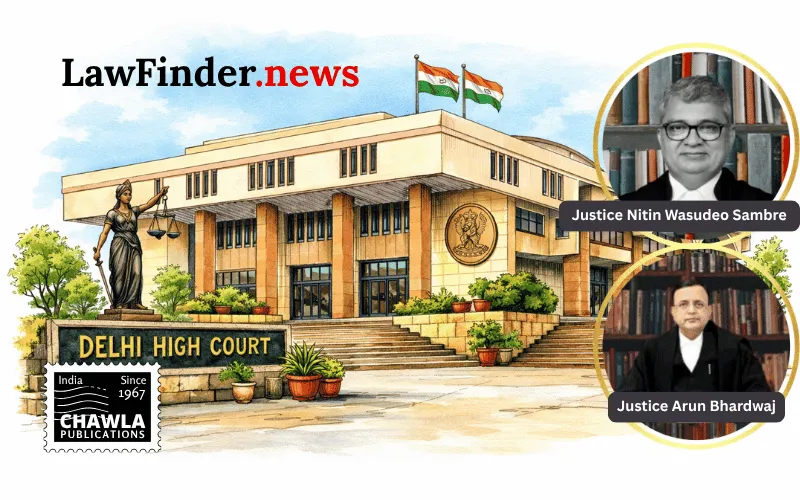
The appeal challenged an earlier order passed by a Single Judge which directed that the park be preserved as a green area and refused permission for the annual function, emphasizing environmental concerns and public interest. The Division Bench comprising Acting Chief Justice Mr. Nitin Wasudeo Sambre and Justice Arun Bhardwaj upheld the Single Judge's decision, holding that no absolute or perpetual right can be claimed by the appellant to use public land for such functions merely on the basis of long usage.
The Court observed that the land in question, Chintoo Park, measures approximately 9,000 square meters and had been developed and maintained as a green patch following court orders. Substantial public funds had already been invested in converting the land into a green area. Allowing the Ramlila function, the Court noted, would damage the environment and undermine the efforts to preserve the park as an open green space in line with the principles of the Green Revolution.
The appellant's reliance on the precedent set in Sahil Viklang Sahaytartha Samiti v. Delhi Development Authority, where permission was granted for functions on a much larger land parcel of 2,50,000 square meters, was distinguished by the Court. Unlike the Sahil Viklang case, the limited size of Chintoo Park and the environmental stakes involved made the present case different, thus not warranting a similar ruling.
The Court rejected the appellant's argument that an undertaking to restore the park after the event could mitigate environmental harm, stating that the preservation of public parks as green lungs for the city takes precedence over intermittent use for events, however historic. It was further emphasized that the use of public land is subject to the larger public interest and environmental considerations, which cannot be overridden by claims of uninterrupted past usage.
The appeal was dismissed, affirming the right of authorities to maintain Chintoo Park as a green space and denying the appellant the right to conduct the annual Ramlila function thereon. This judgment reinforces the principle that public parks and green areas serve a vital environmental and social purpose and cannot be encroached upon or diverted for private or community events without due regard to their ecological significance.
Bottom Line:
Public parks and green areas - No vested or perpetual right can be claimed to use public land for annual functions merely because such use was permitted for many years - Where land has been directed by Court to be maintained as a green patch and substantial public money has been spent on its development, permission to use it for Ramlila function can be refused in larger environmental interest.
Statutory provision(s): Limitation Act, 1963 (Section 5), Code of Civil Procedure, 1908 (Section 151)