Mumbai, Nov 17 Observing that "much water has flown" in India's push to end open defecation and heritage sites need basic amenities, the Bombay High Court has ruled that building public toilets near protected monuments does not amount to prohibited "construction" under conservation laws.
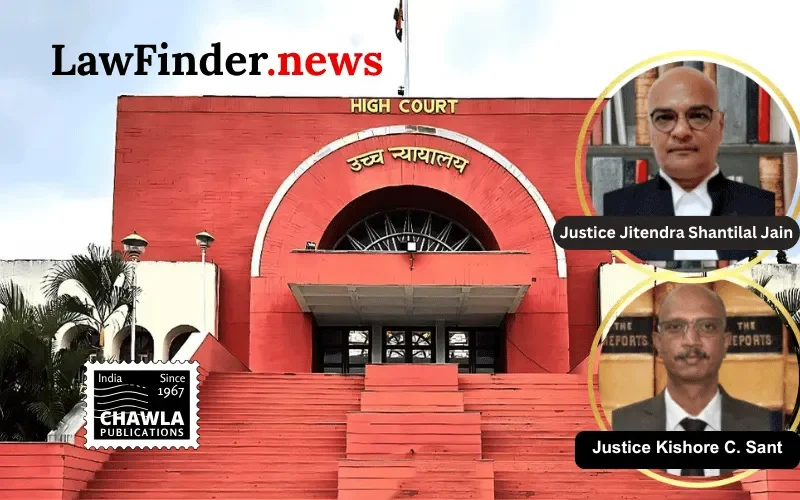
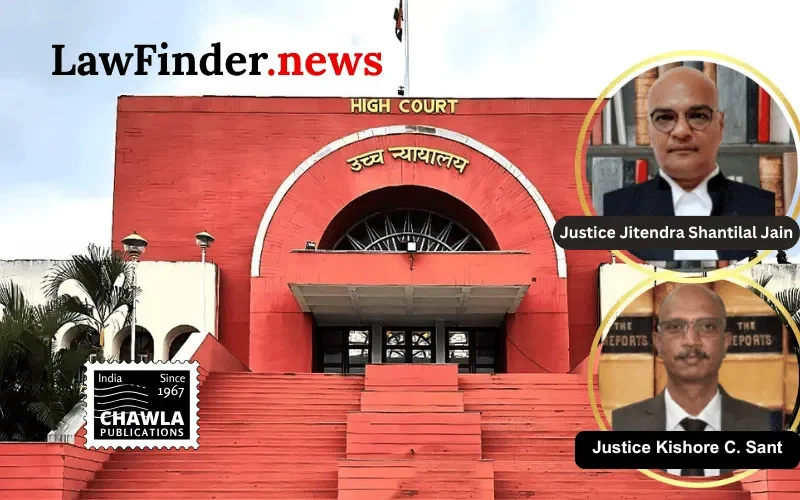
A division bench of Justices Kishore C Sant and Jitendra Jain of the high court's Aurangabad bench allowed a petition filed by the mutawalli (custodian) of Dargah Hazrat Sayed Shah Raju Khattal Husaini at Khuldabad near Chhatrapati Sambhajinagar (earlier known as Aurangabad), quashing 2018 stop-work notices issued by the state Archaeological Department.
The Khuldabad municipal council, which supported the petition, had initiated the toilet block project — away from the dargah's boundary though within a 100-metre radius — using funds allocated by the Maharashtra government under the Swachh Bharat Abhiyan and 14th Finance Commission recommendations to curb open defecation.
The state government, however, issued stop-work notices in October and November 2018 on the ground that prior permission had not been obtained for construction within 100 metres of the monument, as required under the Maharashtra Ancient Monuments and Archaeological Sites and Remains Act.
Relying on the Centre's Ancient Monuments and Archaeological Sites and Remains Act, the petitioner and the municipal council argued that the definition of construction near protected monuments excludes public latrines, urinals, drainage works and similar public conveniences.
Noting that the dispute pertained to public convenience, the High Court highlighted the plight of thousands of devotees, including those arriving from other states during the annual Urs festival, and remarked that denying enclosed sanitation facilities would harm the monument and its surroundings rather than protect them.
"If this public convenience is not provided near the monument, then it would not be in the interest of the monument, since the tourists visiting the place in thousands would not have the convenience of enclosed toilets. This would harm the monument and its vicinity rather than protecting the monument," the court said.
The bench accepted the petitioner's contention that devotees faced severe hardship due to the lack of toilets, and held that building the facility away from the shrine's boundary, albeit within 100 metres, would help preserve the monument and align with the government's drive against open defecation.
The court also rejected the state's reliance on a 1982 circular prohibiting toilet blocks near protected monuments, stating that heritage laws must be viewed through an updated, progressive lens.
"Much water has flown after the 1982 circular to make our country free from open defecation. The promotion of heritage and protected monuments cannot be achieved without basic amenities," the court said, citing a 2020 NITI Aayog working group report and a 2013 Comptroller and Auditor General (CAG) audit that flagged acute shortages of toilets at heritage sites.
Quashing the stop-work directives, the high court directed the Assistant Director of the Archaeological Department in Aurangabad to decide within two weeks on a pending December 2018 representation seeking clearance for the facility, after hearing both the dargah custodian and the municipal council.
It also left the parties to choose an alternative, mutually acceptable site if desired.