Court rules exclusion based on non-contagious medical condition violates constitutional principles of equality and dignity.
In a landmark ruling, the Karnataka High Court has upheld the rights of Sri. N. Anil Kumar, who suffers from vitiligo, to perform hereditary religious duties at the Chamundeshwari Temple in Mysore. The court found that denying him this opportunity based on his skin condition would be arbitrary and discriminatory, violating Article 14 of the Indian Constitution, which guarantees equality before the law.
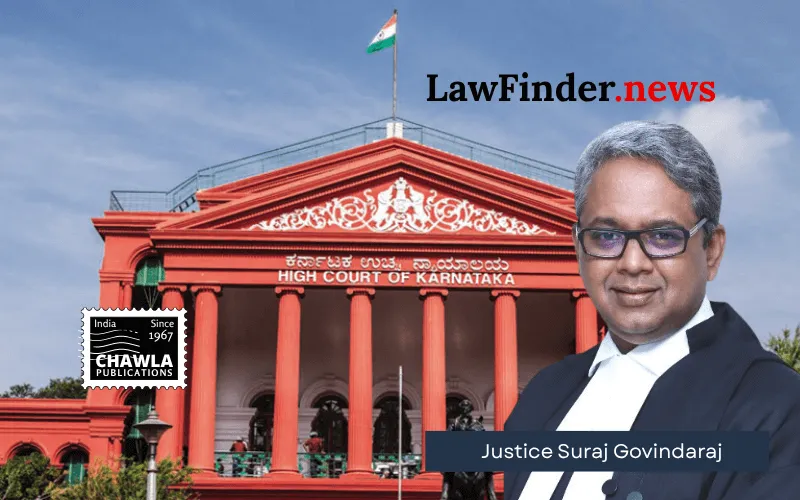
The judgment, delivered by Justice Suraj Govindaraj, comes in response to a writ petition filed by Kumar, seeking relief against interference from temple authorities who had barred him from performing his duties due to his medical condition. Vitiligo, a non-contagious condition characterized by patches of skin losing their pigment, was cited as the reason for his exclusion, despite medical and religious opinions to the contrary.
Justice Govindaraj emphasized that both medical authorities and Agama Pandits confirmed that vitiligo does not disqualify Kumar from his duties. The medical certificate and religious texts clarified that there is no prohibition on performing pujas for those affected by the condition. "Stigmatisation or exclusion of an individual solely on account of a medical condition such as vitiligo, particularly when expert medical opinion establishes that the condition is non-contagious, would amount to discrimination and would be arbitrary," stated the judgment.
The court's decision mandates that the temple authorities permit Kumar to resume his duties and highlights the importance of inclusivity and equal opportunity, core values enshrined in the Constitution. The ruling also addressed the issue of delegation, acknowledging that while Kumar must personally perform the pujas, reasonable conditions could be imposed to allow temporary delegation in unavoidable circumstances.
This decision sets a significant precedent in ensuring that hereditary rights and duties within religious contexts are not impeded by unfounded biases, promoting a more inclusive understanding of equality and dignity in religious practices.
Bottom line:-
Hereditary rights to perform religious duties cannot be denied on the grounds of a non-contagious medical condition like vitiligo. Such exclusion violates Articles 14 and the constitutional values of dignity and equal opportunity.
Statutory provision(s): Article 14 of the Constitution of India
Sri. N. Anil Kumar v. State of Karnataka, (Karnataka) : Law Finder Doc id # 2935774