Court Finds Lack of Direct Instigation and Mens Rea in Institutional Fee Dispute Case
In a significant ruling, the Madhya Pradesh High Court, Indore Bench, upheld the discharge of Suresh Bhadoriya and Dr. K.K. Khan in a case concerning abetment to suicide, emphasizing the absence of direct instigation and necessary mens rea. The case, State of Madhya Pradesh vs. Suresh Bhadoriya, revolved around the tragic suicide of a medical student, where allegations were made against the accused for demanding excessive fees and causing harassment.
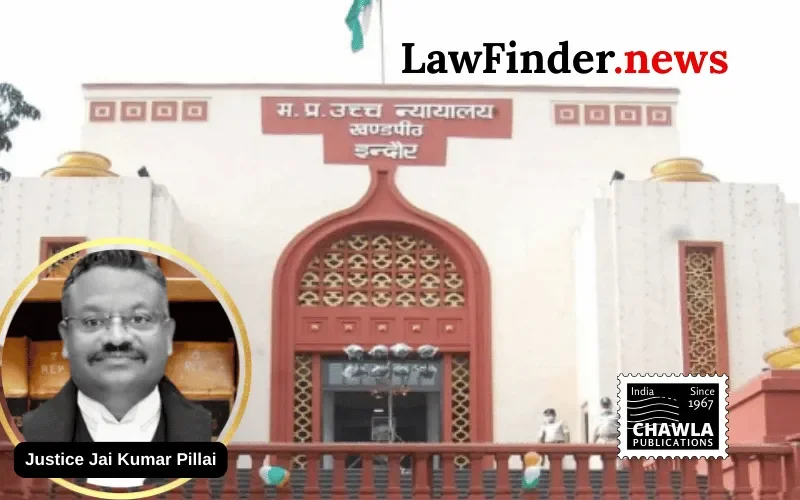
The court, presided over by Mr. Jai Kumar Pillai, J., reviewed the legality of the trial court's decision to discharge the accused under Section 306 of the Indian Penal Code (IPC). The prosecution's case was based on a suicide note left by the deceased, which named the accused as responsible for her death due to alleged arbitrary fee demands and harassment. However, the High Court found that the evidence, including the suicide note and witness testimonies, did not establish a direct link between the accused's actions and the suicide.
In its detailed judgment, the court underscored the requirement for a clear proximate cause and mens rea to substantiate an abetment charge. It noted that institutional disputes, such as fee hikes, lack the malicious intent necessary for criminal abetment. The court also highlighted procedural discrepancies in the investigation, including issues with witness statements and evidence collection.
The High Court's decision affirms the trial court's finding that administrative actions, such as fee demands, do not equate to instigation for suicide. The ruling reiterates the importance of direct and unequivocal evidence to uphold serious charges like abetment to suicide.
The case drew considerable attention due to its implications for institutional accountability and the legal standards for abetment. With this judgment, the High Court has reinforced the stringent criteria required to establish such charges, emphasizing the need for clear intent and direct causation in criminal cases.
Bottom line:-
Abetment to suicide under Section 306 IPC requires direct and proximate cause and clear mens rea. Institutional disputes or administrative friction regarding fees do not meet the stringent legal criteria for abetment.
Statutory provision(s): Indian Penal Code, 1860 Section 306, Criminal Procedure Code, 1973 Sections 397 and 401
State of Madhya Pradesh v. Suresh Bhadoriya, (Madhya Pradesh)(Indore) : Law Finder Doc id # 2948621