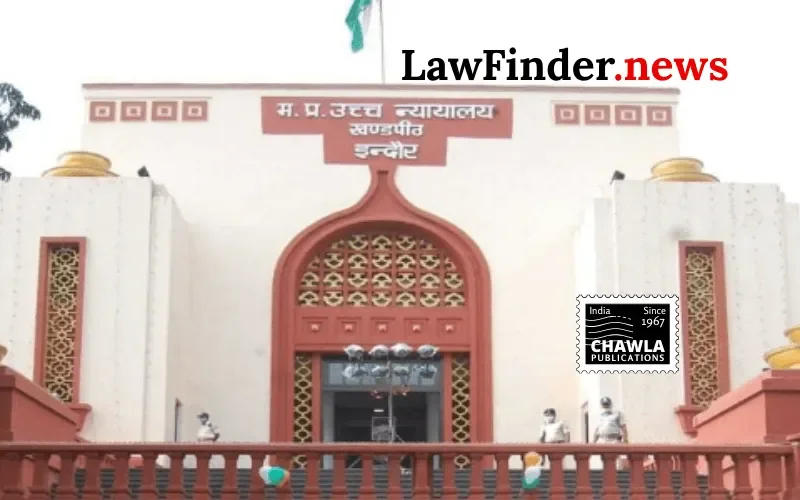
Court holds forensic voice analysis and digital evidence justified probe continuation; cautions that judicial observations on prima facie charges should not influence sanctioning authority's independent discretion
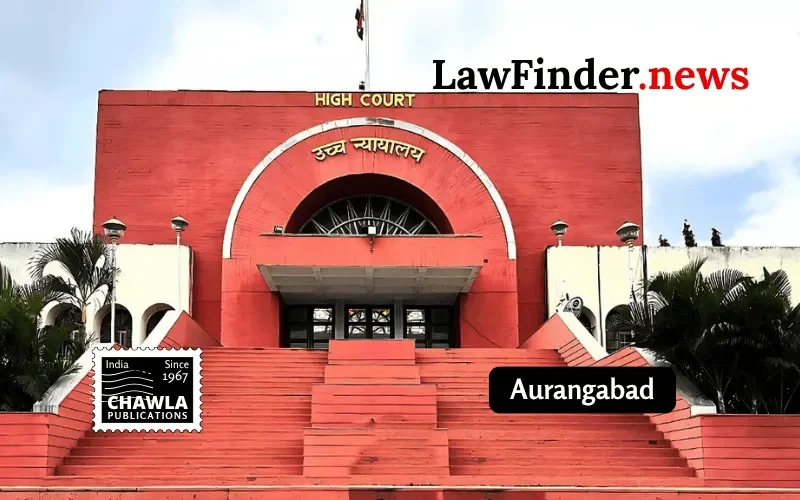
In a significant ruling on September 24, 2026, the Madhya Pradesh High Court (Division Bench, Indore) partially allowed a petition filed by Ramnath Mishra, a retired Executive Engineer, challenging the Special Judge's order rejecting the closure report submitted by the Lokayukta police in a bribery case. The case pertains to allegations under Section 7 of the Prevention of Corruption Act, 1988, where Mishra was accused of demanding illegal gratification during his tenure.
The court upheld the Special Judge's decision to reject the police closure report that had sought to drop the case citing failure of physical trap and payment of running bills as reasons to dismiss the bribery demand. The High Court found that the investigative agency's report overlooked substantial material evidence including digital audio recordings, call detail records, transcripts, and a positive forensic voice analysis report from the Regional Forensic Science Laboratory (RFSL), Bhopal, which collectively indicated sufficient grounds to proceed with prosecution.
However, the court modified the Special Judge's observation that a prima facie charge was made out against the accused, declaring it an obiter dictum. The bench clarified that such judicial remarks could prejudice the sanctioning authority responsible for granting prosecution permission under Section 19 of the Prevention of Corruption Act. The competent authority must independently evaluate the investigation materials and decide on sanction without being influenced by the court's interim observations.
The petitioner had argued that the failure of the physical trap and his retired status should exempt him from trial, and that the Special Judge's remarks would unfairly pressure the sanctioning authority. The High Court, relying on precedents including the Supreme Court's judgment in Arun Kumar Aggarwal v. State of M.P. and Dr. Subramanian Swamy v. Dr. Manmohan Singh, emphasized the need for an independent and unbiased sanction decision, unaffected by judicial comments.
The Court directed that the original case diary and records be placed before the competent authority for a decision on prosecution sanction within three months, consistent with Supreme Court guidelines. It also underscored that retirement of a public servant does not bar prosecution for offences committed during service.
This judgment reiterates the judiciary's role in ensuring thorough investigation and accountability in corruption cases while safeguarding procedural fairness for accused public servants.
Bottom Line:
Prevention of Corruption Act - Rejection of closure report by Special Judge held proper where forensic voice analysis report, digital audio recordings and other material disclosed sufficient basis to proceed - However, Special Judge's observation that prima facie charge was made out against accused-public servant held to be only obiter dictum so that sanctioning authority may independently decide grant or refusal of sanction without being influenced by such observation.
Statutory provision(s):
Section 7 and Section 19 of the Prevention of Corruption Act, 1988; Section 193 of the Bharatiya Nagarik Suraksha Sanhita, 2023 (formerly Section 173 CrPC); Section 528 of the Bharatiya Nagarik Suraksha Sanhita, 2023