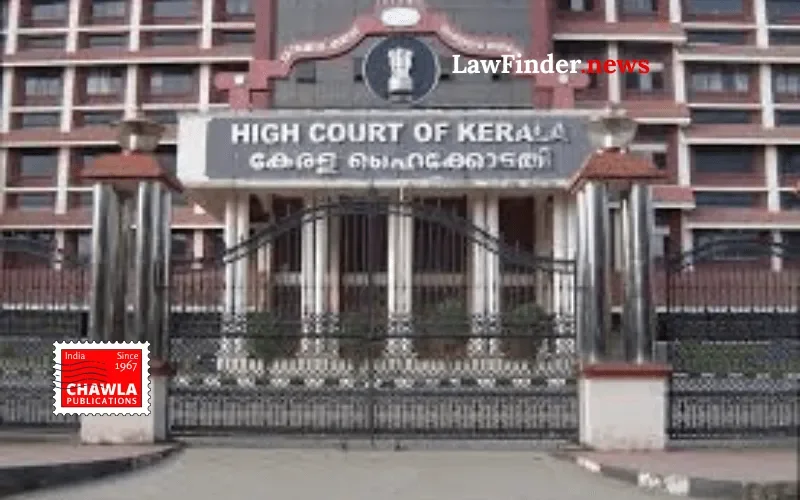
Court mandates conclusion of trials within two years under Prevention of Corruption Act, 1988; urges State Government and judiciary to enhance infrastructure, judicial manpower, and prosecuting personnel for effective implementation.
In a significant judgment delivered on November 10, 2026, the Madurai Bench of the Madras High Court, presided over by Justice B. Pugalendhi, emphasized the critical need for expeditious trials in corruption cases under the Prevention of Corruption Act, 1988. The Court, while adjudicating on a petition filed by A. Shahul Hameed seeking speedy disposal of his corruption trial pending in Thoothukudi, underscored the statutory mandate under Section 4(4) of the Act which requires trials to be conducted on a day-to-day basis and concluded within two years, with any extension requiring recorded reasons.
The petitioner, facing charges under Section 7(a) of the Prevention of Corruption Act and Section 167 of the IPC, highlighted the delay in the trial process despite the charges being framed in 2023. The Court noted that only two witnesses had been examined over three years, pointing to systemic delays.
The Court took suo motu cognizance of the broader issue of pendency in corruption cases across Tamil Nadu. It revealed that as of June 30, 2026, a staggering 2,423 cases under the Act were pending in the State, with an additional 61 cases in Puducherry. Presently, exclusive Special Courts for corruption cases exist only in eight districts, which have recently been upgraded to the cadre of District Judge. In the remaining 30 districts, cases are handled by Principal District and Sessions Judges alongside their regular duties, contributing to delays.
Acknowledging that Section 3 of the Prevention of Corruption Act permits appointment of Special Judges from Sessions or Additional Sessions Judges, the Court noted the pending proposal to designate Additional Sessions Courts as Special Courts to distribute workload more effectively.
The Court issued comprehensive directions aimed at expediting corruption trials and reducing pendency:
1. The Registrar General was directed to expedite the pending proposal to designate Additional Sessions Courts as Special Courts to distribute the caseload.
2. The State Government, in consultation with the High Court, must assess district-wise pendency and workload to establish additional Special Courts where necessary.
3. The State Government must provide adequate infrastructure, staff, and facilities to support existing and new Special Courts.
4. The Director of Vigilance and Anti-Corruption, along with the Director of Prosecution, must ensure adequate prosecuting officers are available to prevent trial delays.
5. Principal District and Sessions Judges must prioritize corruption cases, endeavoring to conduct day-to-day trials and conclude them within the prescribed statutory period, recording reasons for any delay.
Specifically concerning the petitioner’s case, the Court directed the Principal District and Sessions Judge, Thoothukudi, to conclude the trial within six months from the date of the order, avoiding unnecessary adjournments and subject to cooperation from the parties.
The judgment recognizes the legislative intent to maintain integrity in public administration by ensuring swift and effective prosecution of corruption offences. It stresses that merely instructing courts to hasten trials is insufficient; systemic strengthening involving judicial capacity and prosecutorial support is essential to fulfill the statutory mandate.
This ruling sets a precedent for coordinated action between the judiciary and the executive to combat corruption through timely justice, reinforcing public confidence in governance and the rule of law.
Bottom Line:
Prevention of Corruption Act, 1988 - Statutory mandate under Section 4(4) emphasizes day-to-day trial and conclusion of cases within two years - Courts and State Government must ensure adequate infrastructure, judicial strength, and prosecuting personnel to meet this mandate.
Statutory provision(s):
Prevention of Corruption Act, 1988 Section 3, Section 4(4); Indian Penal Code Section 167; Code of Criminal Procedure, 1973 Section 10; Bharatiya Nagarik Suraksha Sanhita, 2023 (contextual reference)
A. Shahul Hameed v. State of Tamil Nadu, (Madras)(Madurai Bench) : Law Finder Doc Id # 3016289