Tribunal Rejects Allegations of Collusion, Information Asymmetry, and Procedural Irregularities; Affirms Commercial Wisdom of Committee of Creditors with 96.42% Voting Approval
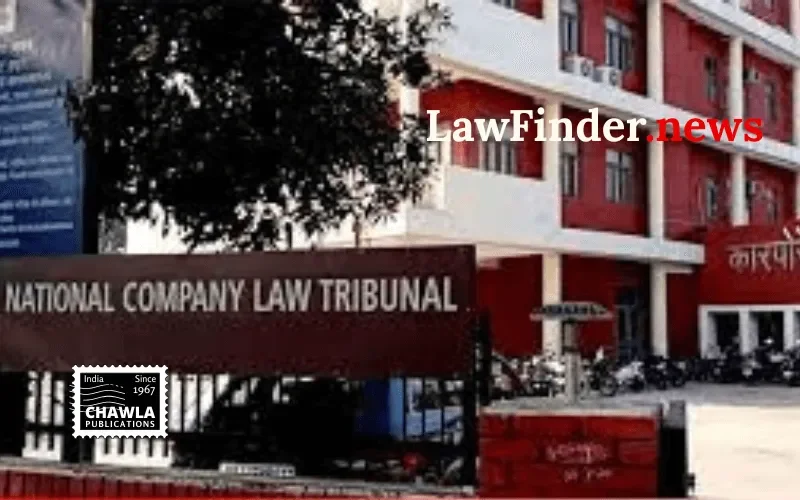
In a significant ruling dated October 5, 2026, the National Company Law Tribunal (NCLT), New Delhi Bench, has dismissed an application filed by the Consortium of AKB Ventures LLP challenging the Committee of Creditors' (CoC) voting process in the Corporate Insolvency Resolution Process (CIRP) of Spaze Towers Private Limited. The Applicants sought to nullify the CoC voting held from October 19 to 21, 2025, alleging collusion, withholding of information, canvassing by corporate debtor employees, circulation of conflicting compliance reports, and procedural irregularities including the timing of e-voting during Diwali holidays.
The Bench, comprising Mr. Mahendra Khandelwal (Judicial Member) and Mr. Atul Chaturvedi (Technical Member), heard detailed submissions from both parties. The Applicants contended that the Resolution Professional (RP), Mr. Narender Kumar Sharma, acted with bias favoring a consortium of ex-promoters. They alleged that employees under the RP's supervision canvassed votes improperly, and that the RP withheld crucial documents, undermining a level playing field. Further, they claimed the circulation of two different compliance reports misled the CoC, and the e-voting process was flawed due to its coincidence with national holidays, disenfranchising creditors.
The Respondent RP and his counsel refuted these allegations, asserting that the employees in question were corporate debtor staff, not RP representatives, and any canvassing was unauthorized. The RP emphasized that the Virtual Data Room (VDR) was shared with all prospective resolution applicants (PRAs) simultaneously and updated regularly, with all queries answered and site visits permitted. Both resolution plans were duly considered by the CoC, and voting was conducted transparently via an independent electronic platform, culminating in approval of the ex-promoters' consortium plan with an overwhelming 96.42% vote share.
The Tribunal meticulously analyzed the claims and evidence. It found no cogent material to prove collusion or that the RP authorized or knowingly permitted canvassing activities. The mere presence of corporate debtor employees during CIRP did not imply RP's liability for their actions. On information asymmetry, the Tribunal noted the Applicants submitted original and revised plans despite alleged incomplete data, indicating access to sufficient information. The competing applicant's prior association with the debtor did not in itself constitute an unfair advantage or illegality.
Regarding the circulation of two compliance reports, the Tribunal observed no documentary proof that such reports materially prejudiced the Applicants or led the CoC to vote on false information. Both plans underwent rigorous evaluation and due diligence. On the timing of e-voting during Diwali holidays, the Tribunal held that coinciding with holidays did not invalidate the process absent evidence of statutory violation or material prejudice. Isolated instances of non-receipt of voting credentials did not suffice to render the entire voting void ab initio, especially given the large majority vote for the approved plan.
Crucially, the Tribunal reiterated that unsuccessful resolution applicants have no vested right to have their plans accepted or to compel reconsideration of the CoC's commercial decision, which enjoys judicial deference unless tainted by proven fraud or illegality. The serious relief sought - removal of the RP, fresh voting, and investigation - were denied due to lack of established misconduct or procedural irregularity. The Tribunal underscored the importance of adhering to the time-bound insolvency process and avoiding unwarranted delays.
In conclusion, I.A. 5202/ND/2025 filed by the Consortium of AKB Ventures LLP was dismissed, affirming the legitimacy of the CoC's decision and the conduct of the Resolution Professional. The Resolution Plan approved by the CoC now awaits consideration by the Adjudicating Authority under Section 30(6) and 31(1) of the Insolvency and Bankruptcy Code, 2016.
Bottom Line:
Insolvency and Bankruptcy Code, 2016 - Unsuccessful prospective resolution applicant cannot seek nullification of CoC voting, removal of Resolution Professional, or fresh voting merely on unsubstantiated allegations of collusion, information asymmetry, canvassing by employees of corporate debtor, conflicting compliance reports, and holiday-period voting - In absence of cogent material showing material illegality, fraud, or procedural irregularity affecting outcome, CoC's commercial decision approving competing resolution plan with 96.42% vote cannot be interfered with.
Statutory provision(s):
Insolvency and Bankruptcy Code, 2016 Sections 17, 23, 25, 29A, 30, 31, 60(5), 208(2); IBBI (Insolvency Professionals) Regulations, 2016 Regulation 7(2)(h); CIRP Regulations 36, 39(3)