Supreme Court Upholds High Court's Redaction of Affidavits in Prolonged Reliance vs. NTPC Litigation, Apex Court Dismisses Reliance's Appeal, Emphasizes Urgent Resolution of the Two-Decade-Long Commercial Dispute
In a significant judgment, the Supreme Court of India has dismissed the appeal filed by Reliance Industries Limited (RIL) against NTPC Limited, reinforcing the High Court's decision to redact portions of affidavits in a long-standing commercial dispute. The ruling underscores the impermissibility of using oral evidence to introduce the content of previously excluded documents, in line with earlier Supreme Court directives.
The case, rooted in a 2004 contract dispute over the supply of natural gas, has seen multiple rounds of litigation spanning nearly two decades. NTPC had initially filed a suit for specific performance of a contract, asserting that a binding agreement existed based on a Letter of Intent (LOI) issued to RIL. The dispute has been mired in procedural delays attributed to obstructionist tactics by RIL, as noted by both the High Court and Supreme Court.
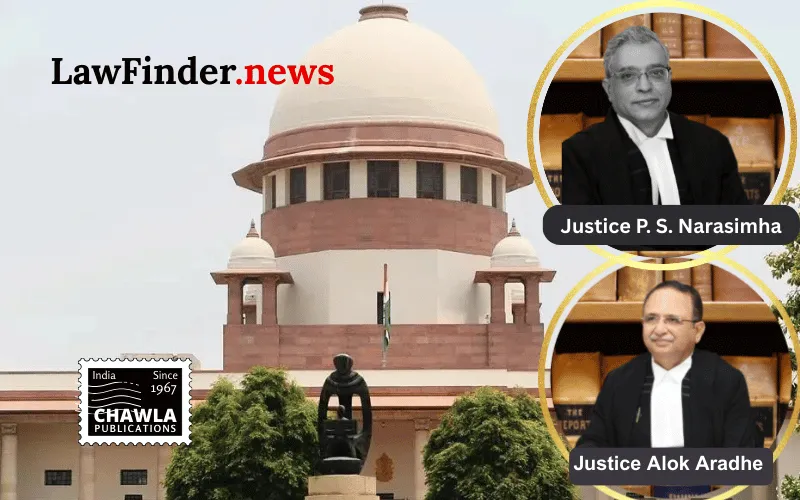
The recent Supreme Court ruling, delivered by Justices Pamidighantam Sri Narasimha and Alok Aradhe, affirms the High Court's meticulous scrutiny and redaction of inadmissible portions from affidavits submitted by RIL. The Court reiterated that oral evidence attempting to indirectly introduce the content of documents deemed irrelevant by prior judicial orders is impermissible. The judgment aligns with the mandate of a 2019 Supreme Court decision, which had already set the precedent for excluding such evidence.
Highlighting the prolonged nature of the case, the Supreme Court expressed concern over the undue delay in the trial, which has been pending since 2006. The Court urged the High Court to expedite the proceedings, emphasizing that the protraction of litigation reflects poorly on judicial processes.
The judgment also imposes a cost of Rs. 10 lakhs on RIL, payable to the Supreme Court Advocates on Record Association, as a consequence of the litigation abuse stemming from repeated appeals and obstructive conduct.
Bottom Line:
Admissibility of oral evidence concerning contents of documents previously held to be irrelevant and inadmissible is impermissible. High Court acted within its jurisdiction in redacting portions of affidavits in accordance with the Supreme Court's earlier judgment.
Statutory provision(s): Indian Evidence Act, 1872 Section 60, Civil Procedure Code provisions regarding discovery and inspection, prior Supreme Court judgments on admissibility of evidence.
Reliance Industries Limited v. NTPC Limited, (SC) : Law Finder Doc id # 2961259