Court Rules Opportunity of Hearing Mandatory Before Alterations in Electoral Rolls, Reinforces Democratic Principles
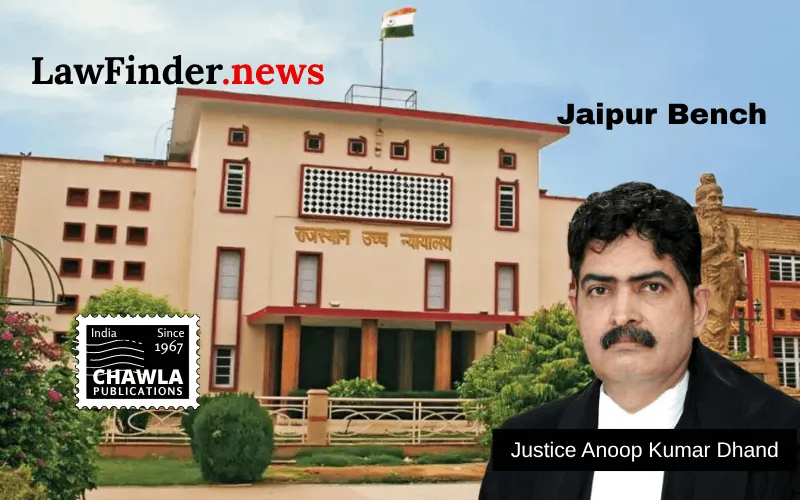
The Rajasthan High Court, in a landmark judgment on August 19, 2026, reaffirmed the essential democratic right to vote as it addressed multiple writ petitions challenging arbitrary deletions from electoral rolls. The court, presided over by Justice Anoop Kumar Dhand, delivered its ruling in the consolidated cases including Mamta v. State of Rajasthan and others, emphasizing the violation of principles of natural justice in the arbitrary removal or non-inclusion of names from electoral rolls without due process.
The case involved several petitioners, including Mamta, Vimla, and Suresh Kumar Jain, who contended that their names were unjustly removed or not included in the electoral rolls of various gram panchayats in Rajasthan. The petitioners argued that these actions were taken without any notice or opportunity for them to be heard, contravening the principles of natural justice and their statutory rights under the Rajasthan Panchayati Raj Act, 1994, and the Rajasthan Panchayati Raj (Election) Rules, 1994.
The court scrutinized the actions of the Electoral Registration Officers and found that the deletions and non-inclusions were made without providing the affected individuals a chance to present their case, thereby breaching the fundamental democratic rights to vote and participate in elections. The High Court emphasized that the right to vote is not only a statutory right but also a cornerstone of democratic governance. The judgment highlighted that any changes to the electoral roll must adhere strictly to the principles of natural justice, which include providing a fair hearing to the concerned individuals.
The court’s decision mandates that authorities must offer an opportunity for representation before making any deletions or rejections of applications for inclusion in the electoral roll. The ruling further clarified that arbitrary decisions based on political interference or bureaucratic whims are unsustainable in law. The judgment also specified that appeals under Rule 21 of the Rules of 1994 are valid only when the aggrieved parties had a chance to be heard by the Electoral Registration Officer.
In its conclusive orders, the Rajasthan High Court quashed the impugned orders dated February 14, 2026, along with other related orders challenged in the writ petitions. The court directed the Electoral Registration Officers to reinstate the petitioners' names in the electoral rolls, thus restoring their right to vote and partake in the electoral process.
This ruling is a significant assertion of electoral rights and highlights the judiciary's role in protecting democratic principles against arbitrary administrative actions. The decision is expected to have a far-reaching impact on how electoral rolls are managed, ensuring that citizens' rights to participate in democracy are upheld without unwarranted interference.
Bottom Line :
Electoral Roll - Right to vote is a statutory right and a basic feature of democracy. Arbitrary deletion from the electoral roll or non-addition/non-transposition of a person's name violates the principles of natural justice. Opportunity of hearing is mandatory before making any changes in the electoral roll.
Statutory provision(s): Rajasthan Panchayati Raj Act, 1994, Rajasthan Panchayati Raj (Election) Rules, 1994, Section 18(2)(b), Rules 13, 20, and 21.
Mamta v. State of Rajasthan, (Rajasthan) : Law Finder Doc id # 2967135