New Delhi, Aug 7 The Supreme Court on Friday declined to interfere with a Chhattisgarh High Court order refusing to dismiss a petition challenging former Chhattisgarh chief minister Bhupesh Baghel's election from the Patan assembly seat in 2023.
The top court, however, said that Baghel would be at liberty to raise all his pleas before the high court's election tribunal during the trial.
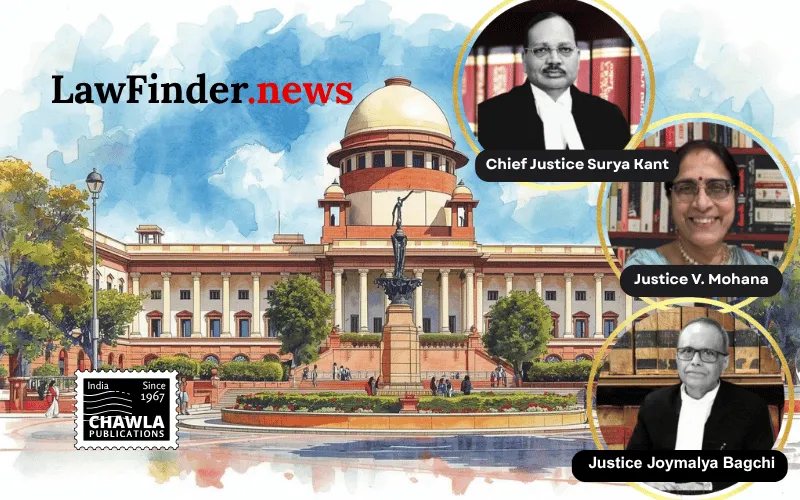
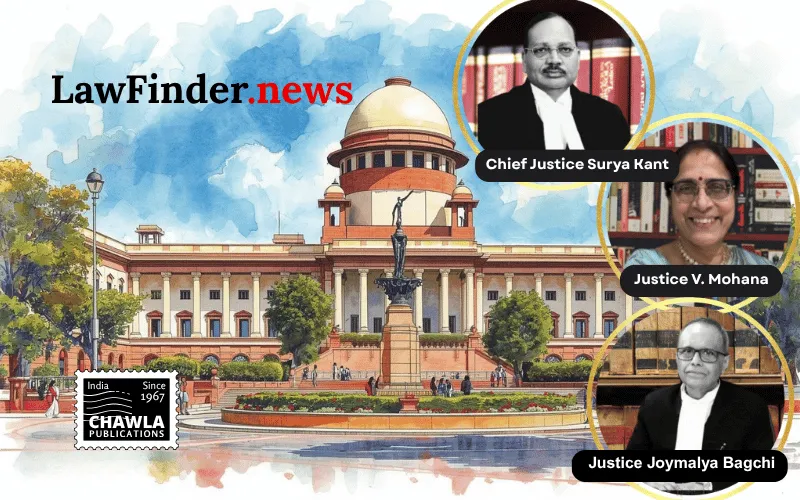
A bench comprising Chief Justice of India (CJI) Surya Kant and Justices Joymalya Bagchi and V Mohana disposed of Baghel's plea challenging the high court's interim order dated June 15 by which his application seeking rejection of the election petition for want of cause of action and non-compliance with statutory requirements was dismissed.
It said Baghel had an arguable defence and made it clear that dismissal of his challenge would not prejudice his right to raise all points and contentions before the election tribunal during the course of the proceedings.
Appearing for Baghel, senior advocate Kapil Sibal argued that the election petition was not maintainable in law.
Referring to the allegations, Sibal, assisted by lawyer Sumeer Sodhi, said that the election campaign had ended on November 15 and that Baghel was allegedly present at a religious function on November 16, which the petitioner claimed violated Section 126 of the Representation of the People Act (RPA).
Sibal said that even if the allegations were accepted, a violation of Section 126 constituted only an electoral offence and not a "corrupt practice" under Section 123(7) of the Act.
"The question is whether it amounts to a corrupt practice. Corrupt practice is dealt with under Section 123(7)," he said.
It was alleged that after the commencement of the "silence period", Baghel held a "rally/road show" in clear violation of Section 126 of the RP Act and the Model Code of Conduct.
During the hearing, Justice Bagchi said that the issue to be addressed was whether the alleged violation had "materially affected the result of the election."
Sibal said the question was factual in nature and, in any event, the respondent's own case was that only about 200 people attended the gathering.
Baghel had won the election by a margin of around 20,000 votes, making it difficult to contend that the alleged meeting materially affected the election result, he said.
Baghel, in his plea filed through lawyer Sodhi, denied the allegation that he violated the 48-hour campaign silence period under Section 126 of the RPA.
The high court erred in refusing to dismiss the election petition, the plea said, adding that the election petition lacked material facts, contains vague and speculative pleadings and was not supported by the affidavit mandated under Section 83 of the RPA.