In a landmark decision, the Supreme Court exercises its discretionary powers under Article 142 to ensure justice for the widow of a brave government employee.
In a significant judgment delivered on August 5, 2026, the Supreme Court of India has upheld the rights of Kuldeep Kaur, the widow of late Mohan Singh, an Overseer with the General Reserves Engineering Force (GREF), who was posthumously awarded the Shaurya Chakra for his bravery during a road construction project of national importance. The apex court has directed the Union of India to grant her extraordinary pension benefits from the date of her husband's death, overriding procedural constraints and prior undertakings.
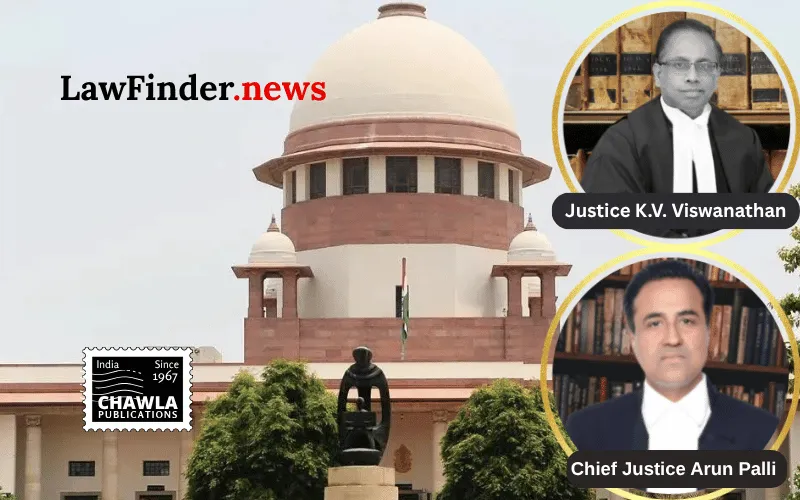
The bench comprising Justices K.V. Viswanathan and Arun Palli emphasized the exceptional circumstances of the case, highlighting the supreme sacrifice made by Mohan Singh, who lost his life while trying to save his colleagues and equipment during a landslide. Despite earlier procedural delays and limitations on arrears, the court exercised its powers under Article 142 of the Constitution to provide full justice, recognizing the national and strategic importance of Singh's duty.
The case, which originated from a Special Leave Petition against a Punjab and Haryana High Court decision, saw the Supreme Court disagree with the previous restriction of pension benefits to three years prior to the filing of the writ petition. The Court acknowledged that the deceased's widow should not have been required to seek legal redress for such entitlements, given the government's recognition of Mohan Singh's gallantry.
The judgment mandates the Union of India to release a consolidated amount of Rs. 10,00,000/- to the appellant for the period from July 13, 2000, to July 12, 2015, along with pension arrears, despite the appellant's earlier return of compensation received under the Workmen's Compensation Act, 1923. The Court also appreciated the proactive response of the Attorney General and the government in addressing the matter promptly.
The decision underscores the Supreme Court's commitment to ensuring justice in extraordinary cases where procedural barriers might otherwise hinder rightful claims. It marks an important precedent for similar cases involving the families of government employees who make supreme sacrifices in the line of duty.
Bottom Line:
Widow of a government employee posthumously awarded the Shaurya Chakra for supreme sacrifice during duty is entitled to extraordinary pension from the date of the employee's death, notwithstanding procedural delays or prior undertakings limiting the claim.
Statutory provision(s): CCS (Extraordinary Pension) Rules, 1939, Constitution of India, 1950 Article 142, Workmen's Compensation Act, 1923
Kuldeep Kaur v. Union of India, (SC) : Law Finder Doc id # 2958636