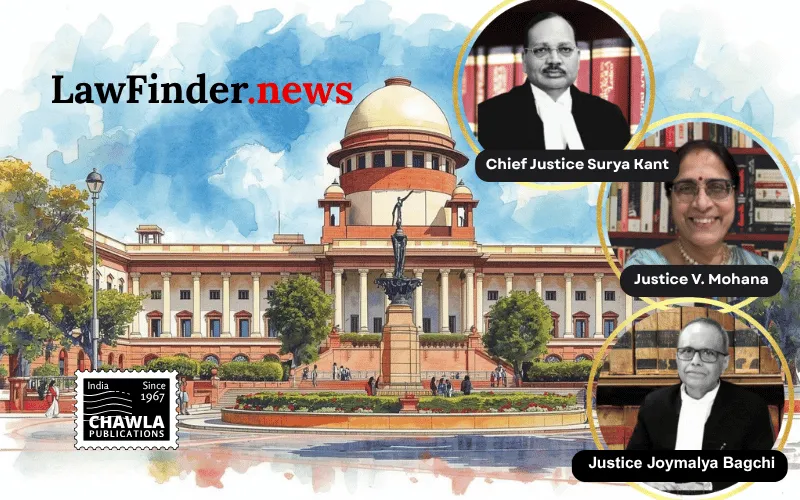
The Apex Court Orders Preservation of Evidence and Protection of Protestors’ Data Amidst Claims of Excessive Force
In a landmark ruling, the Supreme Court of India has mandated an independent and impartial investigation into the alleged incidents of violence during student protests concerning the NEET examination paper leak in 2026. The protests, which erupted at Jantar Mantar in New Delhi, subsequently spread to several states, including Maharashtra, Bihar, Assam, Uttar Pradesh, Madhya Pradesh, West Bengal, and Kerala. The Supreme Court's directive comes in response to petitions highlighting grave violations of Fundamental Rights, as guaranteed under Articles 14, 19, 21, and 22 of the Indian Constitution.
The petitions, led by Shailendra Mani Tripathi, allege severe police misconduct, including the use of pellet guns, rubber bullets, and electronic batons on protestors, resulting in serious injuries. One protestor reportedly lost his eyesight, while a female protestor sustained injuries from rubber bullets. The police were also accused of using lathis embedded with nails, causing permanent injuries to several individuals, including members of the media.
In a significant move, the Supreme Court issued interim directions to preserve all evidence related to the protests, such as CCTV footage, drone videos, and communication records. The Court also emphasized the protection of protestors' personal information and digital data, prohibiting its disclosure to the public domain.
The Union of India and the National Capital Territory (NCT) of Delhi, represented by the Solicitor General, expressed their willingness to cooperate with the independent investigation. However, they denied any misconduct by the police, attributing the violence to infiltration by anti-social elements and asserting that over 280 police officers were injured during the protests.
Acknowledging the gravity of the allegations, the Supreme Court has given the NCT of Delhi and the Union of India time to submit their respective versions through affidavits. Additionally, notices have been issued to the Chief Secretaries of the affected states, requiring their appearance for further proceedings.
As an interim measure, the Court has directed that no coercive actions be taken against the protesting students, except those with prior criminal records. Furthermore, it ordered the release of minors detained during the protests, contingent upon the execution of a bond by themselves or their family members.
The Supreme Court has scheduled the next hearing for August 3, 2026, as it continues to address the pressing issues surrounding the protests and the alleged police actions.
Statutory provision(s): Article 32, Article 14, Article 19, Article 21, Article 22 of the Constitution of India.
Shailendra Mani Tripathi v. Union of India, (SC) : Law Finder Doc id # 2949406