Lucknow, Jul 7 The Allahabad High Court has held that a power distribution company employee, who died in 2021 after contracting coronavirus while ensuring uninterrupted power supply to hospitals, oxygen plants and households during the pandemic, was a "Covid warrior".
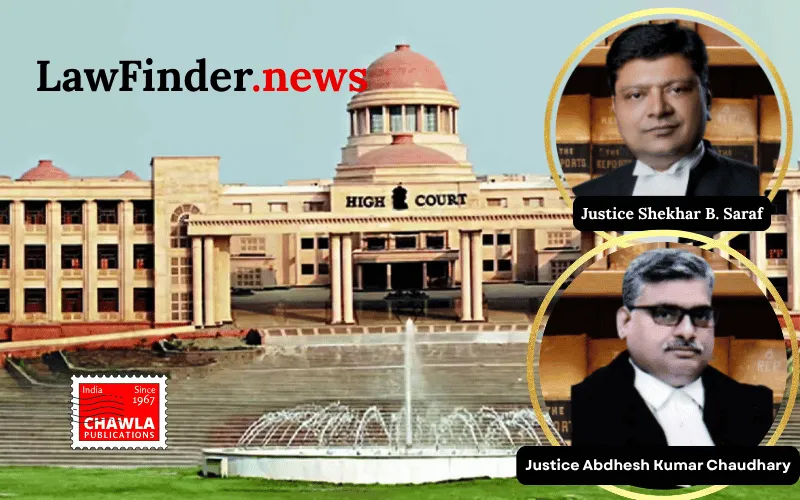
A Lucknow bench of justices Shekhar B Saraf and Abdhesh Kumar Chaudhary on July 2 also directed the Uttar Pradesh government to pay Rs 50 lakh as ex gratia to Sunder Lal's widow within eight weeks.
The high court passed the order while allowing a writ petition filed by Pushpa Devi. The bench quashed an order of October 6, 2022 that had rejected the petitioner's claim on the ground that the deceased was not covered under the state government's April 11, 2020 government order providing ex gratia assistance to frontline Covid workers.
According to the petition, Lal was employed with Madhyanchal Vidyut Vitran Nigam Ltd (MVVNL) and was assigned the responsibility of maintaining uninterrupted electricity supply to hospitals, oxygen plants and other essential services during the Covid-19 pandemic.
He contracted the infection while discharging these duties and died on April 23, 2021.
Certificates issued by the chief medical officer and the electricity department confirmed the cause of death as Covid-19 and also recorded that Lal had been performing frontline duties.
The electricity department had recommended release of the ex gratia amount in favour of his family but the state government had refused to release the amount, the petition said.
Relying on its earlier decisions, the bench observed that the expression "Covid duty" cannot be given a narrow interpretation so as to include only personnel directly engaged in treating patients in hospitals.
Employees of essential services such as electricity, water supply, police and other public utility departments also played a crucial role in containing the pandemic and facilitating treatment of Covid patients and are therefore entitled to be treated as Covid warriors.
Declining to remand the matter for fresh consideration, the court noted that more than five years had elapsed since the employee's death.
It held that Devi should not be made to wait any longer and directed the state government to release the ex gratia compensation within eight weeks from the date a certified copy of the order is produced.
Smt. Pushpa Devi v. State of U.P., (Allahabad)(Lucknow)(DB) : Law Finder Doc Id # 2935973