Court directs Reserve Bank of India and Union of India to frame clear regulatory framework to curb exorbitant interest rates, hidden charges, and unethical recovery practices in digital lending
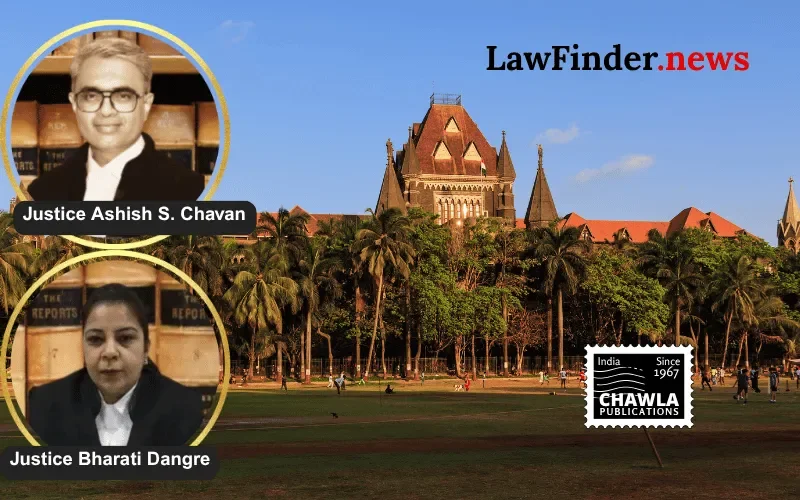
In a significant judgment delivered on November 2, 2026, the Bombay High Court (Division Bench comprising Justices Bharati Dangre and Ashish S. Chavan) addressed the growing menace of illegal loan applications operating through digital platforms and misleading debt management schemes. The case, Bajaj Finance Ltd. v. Union of India and others, arose from concerns about rampant cybercrime facilitated by unauthorized digital lending apps charging exorbitant interest rates, imposing hidden fees, misusing personal data, and employing coercive recovery tactics such as harassment and blackmail.
The Court took cognizance of a detailed affidavit filed by the Union of India, which highlighted the proactive role of the Indian Cyber Crime Coordination Centre (I4C) under the Ministry of Home Affairs and the National Cyber Crime Reporting Portal. These entities have been instrumental in identifying and recommending the blocking of fraudulent digital lending applications that operate without valid contact details or customer support, thus trapping borrowers with no recourse.
While the affidavit focused extensively on illegal loan apps violating the Information Technology Rules, 2009 and underscored the serious risks posed by such platforms, the petitioner, Bajaj Finance Ltd., also raised concerns about certain intermediaries marketing `Debt Management Plans' that promise unrealistic loan settlements, potentially eroding the trust between banks and borrowers. These entities often advertise legal services and settlement offers that may not comply with regulatory norms, thereby creating confusion and mistrust in the banking sector.
The Court observed that although the affidavit outlined efforts against cybercrime, it did not sufficiently address the petitioner's concerns regarding misleading debt management campaigns. Consequently, the Court directed the Reserve Bank of India (RBI), in collaboration with the Ministry of Home Affairs and the Union of India, to examine the entire issue comprehensively and formulate a clear regulatory framework. This framework is expected to distinctly demarcate permissible activities such as lawful borrower assistance and advertising from prohibited practices that mislead consumers or facilitate illegal loan recovery methods.
The Court further noted that investigations were underway against certain private entities named as Respondent Nos. 6 to 10, involved in online debt management operations. It restrained any immediate action against some of these respondents until a detailed report is submitted by I4C, expected by December 5, 2026. The Court emphasized the need for a balanced approach that protects consumers from exploitation while ensuring that legitimate financial assistance services are not stifled.
This judgment underlines the judiciary's recognition of the challenges posed by the digital lending ecosystem and cyber-enabled financial crimes. It calls for urgent and coordinated regulatory intervention by financial and law enforcement authorities to safeguard borrowers' interests, maintain the integrity of the banking sector, and foster trust in digital financial services.
The matter is scheduled for further hearing on December 8, 2026, following the submission of the comprehensive report by I4C and other concerned authorities.
Bottom Line:
Cybercrime - Emergence of illegal loan applications operating through digital platforms - Affidavit highlights serious issues including exorbitant interest rates, hidden charges, misuse of personal data, harassment, blackmail, and coercive recovery practices - Reserve Bank of India and Union of India directed to examine regulatory framework to address misleading and unethical campaigns and determine permissible advertising and borrower assistance limits.
Statutory provision(s): Information Technology Rules, 2009, Reserve Bank of India Act, 1934.
Bajaj Finance Ltd. v. Union of India, (Bombay)(DB) : Law Finder Doc Id # 3033553