Court Upholds Uniform Awarding of Marks to All Candidates; Dismisses Allegations of Unfair Selection Practices
In a significant ruling, the Calcutta High Court has dismissed writ petitions filed by employees of Bharat Coking Coal Ltd., a subsidiary of Coal India Ltd., challenging the selection process for promotions from non-executive to executive cadre. The petitioners, Ganesh Tiwari, Dilip Kumar Mahato, Abhishek Sharma, and others, argued that the selection process was unfair due to the uniform awarding of marks for disputed questions, which they claimed altered the rules of the game post facto.
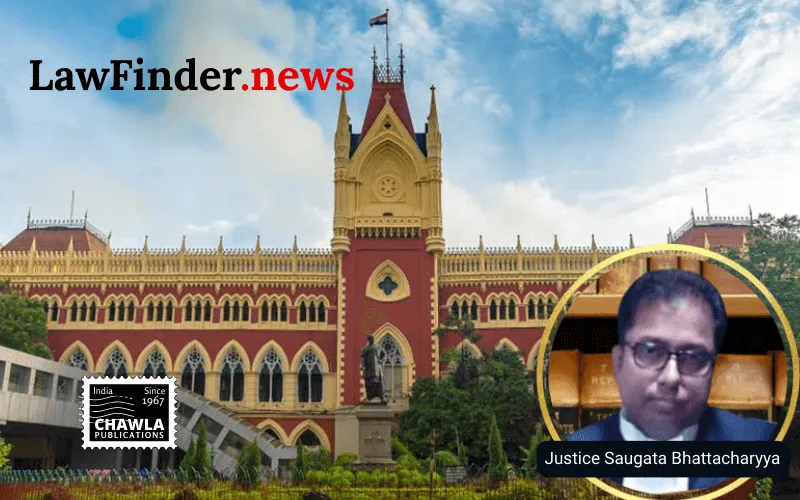
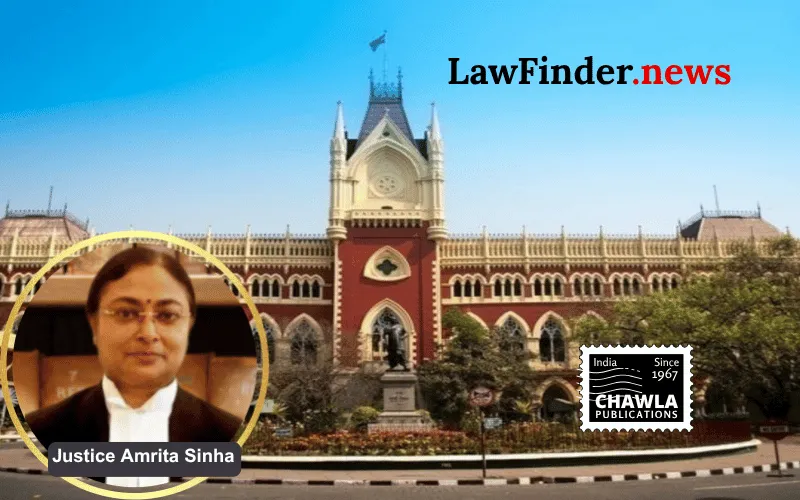
The court, presided over by Justice Amrita Sinha, ruled that the decision to award marks for disputed questions uniformly to all candidates did not constitute a change in the rules of the game. The court emphasized that none of the candidates were prejudiced by this decision, and it was a fair approach to maintain parity among all candidates. The judgment highlighted that the petitioners had participated in the selection process without raising any objections and only challenged the process after failing to secure a promotion.
The court also addressed the issue of delay and laches, noting that the petitioners filed the writ petitions long after the promotion process had been concluded and implemented. It further observed that the petitioners did not implead the selected candidates, whose rights could be adversely affected by any decision in favor of the petitioners, leading to the dismissal of the writ petitions on the grounds of non-joinder of necessary parties.
The ruling underscores the limited scope of judicial review in selection processes, particularly regarding the correctness of questions and evaluations in competitive examinations. The court reiterated that interference in such matters should only occur in cases of glaring defects or illegality, which were absent in this instance.
The judgment reaffirms the legal principle that candidates who participate in a selection process without protest cannot later challenge the rules or methodology after being unsuccessful, thus upholding the integrity and finality of the selection process.
Bottom Line :
Candidates who participate in a selection process without raising objections during the process cannot challenge the rules or methodology of selection after being declared unsuccessful.
Statutory provision(s): Article 14 of the Constitution of India
Ganesh Tiwari v. Coal India Limited, (Calcutta) : Law Finder Doc id # 2959171