Writ Petition Challenging Non-Service of Notice and Procedural Lapses Dismissed; Court Emphasizes Availability of Statutory Remedies Under MSMED and Arbitration Laws
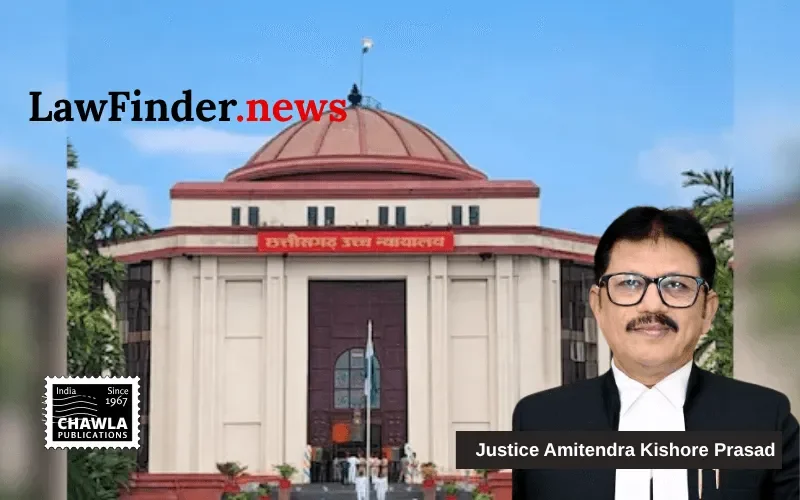
In a significant decision dated November 5, 2026, the Chhattisgarh High Court dismissed a writ petition filed by M/s Seirra Infraventure Pvt. Ltd. challenging an ex parte order passed by the Micro and Small Enterprises Facilitation Council (MSEFC), Chhattisgarh. The petitioner had contested the legality and validity of an order directing it to pay over Rs. 24 lakh to the respondent for allegedly outstanding dues relating to the supply of lubricants.
The petitioner contended that the order was passed without proper service of notice and without affording an opportunity of hearing, thereby violating principles of natural justice and relevant statutory procedures under the Micro, Small and Medium Enterprises Development Act, 2006 (MSMED Act). It was also argued that the Council failed to initiate conciliation proceedings as mandated under Section 18 of the MSMED Act before proceeding to arbitration.
However, the Court found that the Council had issued notices through multiple channels including letter, the Samadhaan web portal, and WhatsApp, which were accessed by the petitioner. Despite such service, the petitioner neither appeared nor submitted any reply before the Council. The Court observed that mere non-appearance does not amount to denial of opportunity of hearing. The Court further noted that the statutory procedure under Section 18 requires assessment based on actual proceedings and records, and cannot be presumed from the absence of one party alone.
The Court reiterated the principle that disputes involving supply of goods, invoice correctness, and amounts payable are commercial questions best adjudicated within the statutory forum established under the MSMED Act. It emphasized that writ jurisdiction is not a substitute for such statutory remedies, particularly where the party had the opportunity to participate but chose not to.
The judgment also highlighted the availability of an alternative statutory remedy under Section 34 of the Arbitration and Conciliation Act, 1996 read with Section 19 of the MSMED Act, which provides a mechanism for challenging awards with a requirement of pre-deposit of 75% of the awarded amount. The Court underscored that the existence of such remedy ordinarily limits interference under Article 226 of the Constitution, barring patent jurisdictional errors or manifest illegality, none of which were demonstrated by the petitioner.
Notably, the petitioner had previously challenged the same order in a writ petition which was withdrawn after a conditional interim order requiring a deposit of Rs. 5 lakh. The Court considered this procedural history relevant in declining extraordinary writ relief.
In conclusion, the Chhattisgarh High Court found no grounds to interfere with the ex parte order and dismissed the writ petition. The Court clarified that it did not independently adjudicate the underlying commercial dispute but only examined the grounds raised for interference. Remedies available under the MSMED Act and arbitration law remain open to the petitioner subject to legal conditions.
This decision reaffirms the importance of following statutory dispute resolution mechanisms under the MSMED Act and arbitration law and limits the scope of writ jurisdiction in commercial disputes where statutory remedies exist.
Bottom Line:
MSMED Act - Challenge to ex parte order of Micro and Small Enterprises Facilitation Council - Writ petition not maintainable when notice was recorded to have been served, no patent jurisdictional error or manifest illegality was shown and statutory remedy under Section 34 of Arbitration and Conciliation Act read with Section 19 of MSMED Act was available - Mere fact that order was passed ex parte does not by itself justify interference under Article 226.
Statutory provision(s):
Micro, Small and Medium Enterprises Development Act, 2006 Sections 18, 19; Arbitration and Conciliation Act, 1996 Section 34; Constitution of India Article 226