Despite Non-Compoundable Offences, Court Exercises Section 482 CrPC Powers to End Proceedings, Orders Petitioners to Donate Furniture to Government Schools
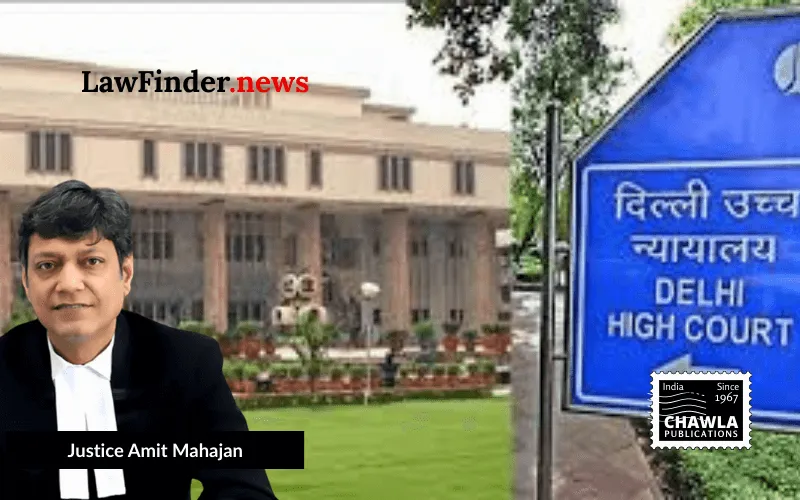
In a significant judgment dated September 14, 2026, the Delhi High Court, presided over by Mr. Purushaindra Kumar Kaurav, J., quashed FIR No. 543/2023 registered at Police Station Subhash Place, Delhi, involving offences under Sections 323, 341, 186, 332, 353, 308, 506, and 34 of the Indian Penal Code (IPC). The case arose from a dispute between the petitioners, Kushagra Dua and others, and respondent no. 2, who had filed the FIR alleging assault and related offences.
The Court noted that the parties had amicably settled their dispute through a settlement deed dated August 11, 2026, and the complainant voluntarily sought quashment of the FIR without coercion. The State, represented by the Additional Public Prosecutor, did not oppose the quashing in light of the settlement.
This case is noteworthy because the offences involved are generally non-compoundable under the IPC, meaning they ordinarily cannot be settled out of court. However, relying on the inherent powers vested under Section 482 of the Criminal Procedure Code (CrPC), the High Court exercised its discretion to quash the FIR, emphasizing the ends of justice and the remoteness of conviction likelihood following the compromise.
The Court extensively referred to Supreme Court precedents, including Gian Singh v. State of Punjab (2012), Narinder Singh v. State of Punjab (2014), and Vijay Kumar Kela v. CBI (2026), which establish conditions for quashing non-compoundable offences. These conditions include the improbability of conviction, unfairness of continuing proceedings post-settlement, and the timing of compromise being at an early investigative or trial stage.
The judgment also highlighted that while serious offences ordinarily resist compounding, exceptions exist where societal interest, absence of criminal intent, and the nature of the offence justify quashing. The Court stressed that quashing should not be mechanical but based on facts and circumstances.
In the present case, the Court found that the dispute was primarily between the involved parties, the likelihood of conviction was remote due to settlement, and continuation of trial would only prolong unnecessary litigation. To balance justice and social responsibility, the Court directed the petitioners to donate furniture worth Rs. 50,000 to nearby government schools as a condition for quashing.
The Court further ordered a stay on the trial proceedings of the FIR and listed the matter for compliance on September 22, 2026. This judgment reinforces the judiciary's pragmatic approach to criminal cases involving private disputes, promoting settlement and decongesting courts while safeguarding public interest.
Bottom Line:
High Court exercising powers under Section 482 CrPC to quash FIR due to amicable settlement between parties, even for non-compoundable offences, considering ends of justice and likelihood of conviction being remote.
Statutory provision(s):
Sections 323, 341, 186, 332, 353, 308, 506, 34 IPC; Section 482 CrPC (Section 528 BNSS)
Kushagra Dua v. State of NCT of Delhi, (Delhi) : Law Finder Doc Id # 2980668