Court rules that changes in capital structure and MoA amendments require prior consent from all parties to the Shareholders' Agreement
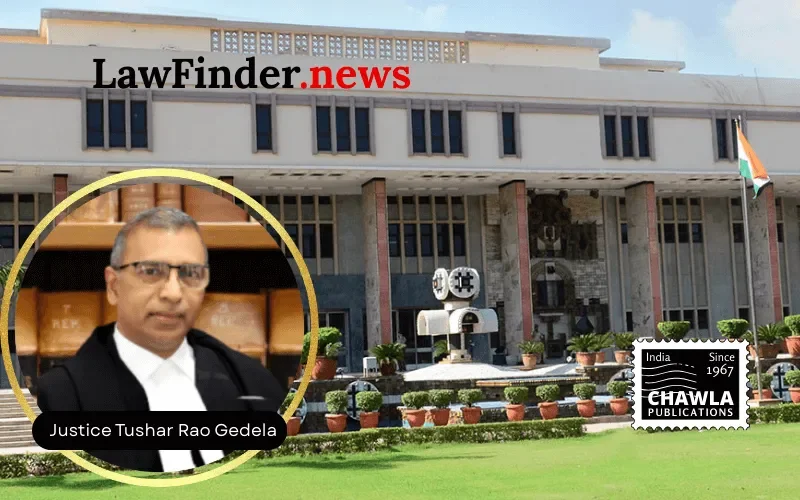
In a significant ruling, the Delhi High Court, presided over by Justice Tushar Rao Gedela, has restrained Unity Small Finance Bank and its affiliates from proceeding with any amendments to the Memorandum of Association (MoA) or changes in its capital structure without obtaining prior written consent from all parties involved in the Shareholders' Agreement (SHA). The decision was rendered in response to a petition filed by Resilient Innovations Private Limited, a stakeholder in Unity Bank, seeking an interim measure of protection under Section 9 of the Arbitration and Conciliation Act, 1996.
The court underscored the mandatory nature of the SHA's clauses, particularly Clauses 6.11(d) and 8, which necessitate unanimous written consent for any Reserved Matters, including changes to the MoA and capital structure. The court observed that Unity Bank's attempt to include such matters in the board agenda without the requisite consent was unsustainable and contrary to the SHA's stipulations.
Resilient Innovations, represented by senior advocates Dr. Abhishek Manu Singhvi and Mr. Amit Sibal, argued that the proposed amendments would drastically dilute their shareholding from 49% to 21%, contravening the SHA's terms. The court found merit in these arguments, emphasizing that the SHA's provisions must be strictly adhered to, thereby protecting shareholders' rights.
Respondents Unity Small Finance Bank and Centrum Financial Services Limited contended that the proposed changes were necessary to comply with Reserve Bank of India (RBI) guidelines and approvals. However, the court noted that compliance with SHA procedures is paramount, regardless of external regulatory requirements.
The court's ruling prevents any discussion or approval of the contentious agenda items at the scheduled board meeting, allowing other non-contentious matters to proceed. The respondents have been given time to file replies, with the case set to continue later this year.
This judgment highlights the critical role of shareholder agreements in corporate governance, ensuring that key decisions impacting a company's structure and shareholder rights are made transparently and with due consent.
Bottom line:-
Shareholders' Agreement - Consent of all parties to Reserved Matters is mandatory before any amendments to the Memorandum of Association (MoA) or changes in the capital structure of a company.
Statutory provision(s): Arbitration and Conciliation Act, 1996 Section 9