Magistrate's order found non-speaking and lacking material basis for summoning petitioner despite investigating agency finding no incriminating evidence; fresh judicial scrutiny mandated
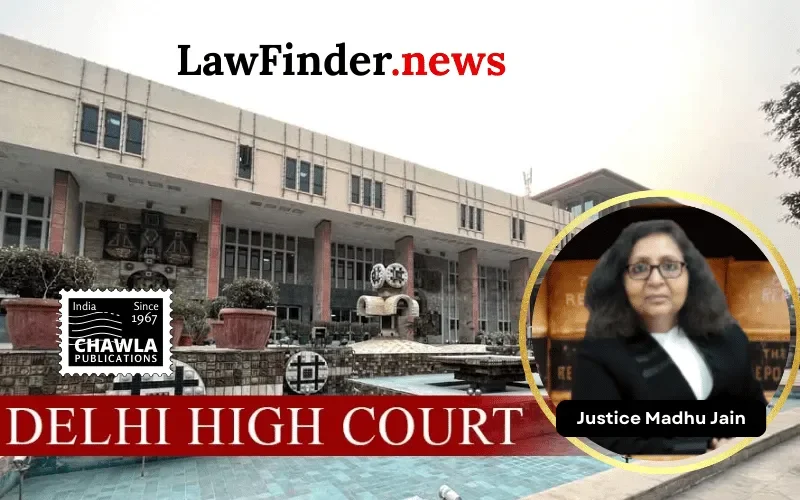
In a significant judgment dated October 12, 2026, the Delhi High Court partially allowed a criminal revision petition filed by Zubair Ahmed, a former Non-Executive Director of M/s Raheja Developers Ltd., challenging his summoning in connection with a cheating and criminal breach of trust case registered under FIR No. 603/2018 at Saket Police Station, Delhi. The petition was heard before Justice Madhu Jain.
Zubair Ahmed was summoned along with other accused in Criminal Case No. 308/2022, following allegations that the company and its directors conspired to cheat homebuyers by causing wrongful loss and failing to refund amounts due under an Agreement to Sell and a subsequent Memorandum of Understanding related to a residential project in Gurugram. However, the charge-sheet placed Ahmed's name in Column No. 12, indicating that while he was examined during investigation, no incriminating evidence was found against him.
The learned Trial Court had relied heavily on a synopsis filed by one of the complainants, Rajat Dayal, and reproduced allegations against Ahmed of actively attending board meetings and being aware of the alleged criminal conspiracy. The Trial Court concluded there was prima facie material to summon him for trial despite the investigating agency's contrary opinion.
On appeal, the Delhi High Court scrutinized the summoning order and held that the Magistrate must independently apply judicial mind and pass a "speaking order" specifying the material basis for issuing summons, especially when the investigating agency has found no evidence warranting prosecution. The Court observed that the impugned order merely reproduced complainants' allegations from their synopsis without identifying supporting evidence or disclosing reasons why the Magistrate differed from the police report.
Quoting Supreme Court precedent and earlier decisions of the Delhi High Court, the judgment emphasized that while a Magistrate is not bound by the investigating agency's opinion, the order summoning a person must indicate sufficient grounds based on material on record. The absence of such a reasoned order results in a non-speaking order reflecting non-application of mind, warranting interference by the High Court.
Consequently, the High Court set aside the order directing issuance of process against Zubair Ahmed but declined to quash the entire proceedings. The matter was remitted to the Trial Court for fresh consideration of whether there is sufficient ground to proceed against Ahmed on the basis of the full record, including the charge-sheet and complainant's synopsis. The Court clarified that its judgment did not determine the merits of the allegations but only addressed the procedural infirmity in the summoning order. Proceedings against other accused remain unaffected.
This judgment reinforces the critical principle that a Magistrate's power to summon accused persons, particularly those not charged by the police, must be exercised with judicial discipline and transparency. It also underlines the protection against being dragged to trial solely on the basis of unsubstantiated allegations or designation as a director.
Bottom Line:
Criminal Procedure - Summoning of person placed in Column No. 12 of charge-sheet - Magistrate is not bound by opinion of investigating agency and may summon such person, but must pass a speaking order disclosing material and reasons showing sufficient ground for proceeding - Reproduction of allegations from complainant's synopsis, contrary to charge-sheet, without identifying supporting material, reflects non-application of mind - Summoning order qua petitioner set aside and matter remitted for fresh consideration.
Statutory provision(s):
Sections 190, 204, 173, 528, 397 of the Criminal Procedure Code, 1973; Sections 210 and 227 of the Bharatiya Nagarik Suraksha Sanhita, 2023; Sections 406, 420, 120B of the Indian Penal Code, 1860.
Zubair Ahmed v. State Govt. of NCT of Delhi, (Delhi) : Law Finder Doc Id # 2995312