Court Orders Compliance with Audit Objections and Emphasizes Responsible Use of Public Funds
In a significant judgment, the Kerala High Court has sternly criticized the Cochin Devaswom Board for misappropriation and misuse of funds meant for religious institutions. The court was responding to allegations that the Board had incurred substantial expenses on luxury items, including a new vehicle and household articles, for the Devaswom Commissioner, in violation of government norms.
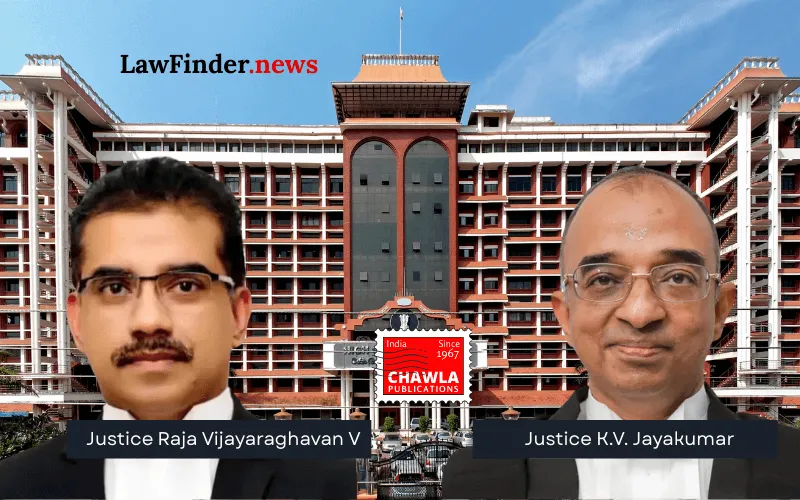
The judgment, delivered by a division bench comprising Justices Raja Vijayaraghavan V. and K. V. Jayakumar, addressed a writ petition filed by K.B. Sumod, an ardent devotee of Lord Vadakkumnathan, and a suo motu proceeding registered based on a report from the learned Ombudsman. The petitioner alleged that the Board used public funds for personal luxuries of officials, neglecting their primary duty of maintaining and uplifting religious institutions.
The court highlighted that the Cochin Devaswom Board had expended Rs.28,44,313/- on repairs, vehicle purchase, and household articles for an officer on deputation, flouting existing rules and regulations. The judgment noted that these actions diverted funds from their intended purpose of temple welfare and maintenance.
The High Court directed the Board to finalize the audit objections noted in the 2025 audit report within three months. Further, the Secretary of the Cochin Devaswom Board is required to file an affidavit of compliance with the court, along with proceedings related to the finalization of the audit objections, within an additional month.
In delivering the judgment, the court emphasized the importance of using public funds judiciously and in compliance with statutory norms, underscoring that expenditure for personal luxuries cannot override the Board's fundamental responsibilities.
The decision has been hailed as a step towards ensuring accountability and transparency in the management of religious institutions' funds, reinforcing the Board's duty to prioritize the welfare of temples and devotees.
Bottom Line :
Public funds of religious institutions must be utilized judiciously and in compliance with statutory norms and guidelines. Expenditure for personal luxuries of officials cannot override the primary duties of maintaining and uplifting religious institutions.
Statutory provision(s): Travancore-Cochin Hindu Religious Institutions Act, 1950 Section 73A
K.B. Sumod v. State of Kerala, (Kerala)(DB) : Law Finder Doc id # 2964173