Court rules against Ved Pati Tripathi's petition for salary, citing lack of statutory compliance and foundational legality in appointment process.
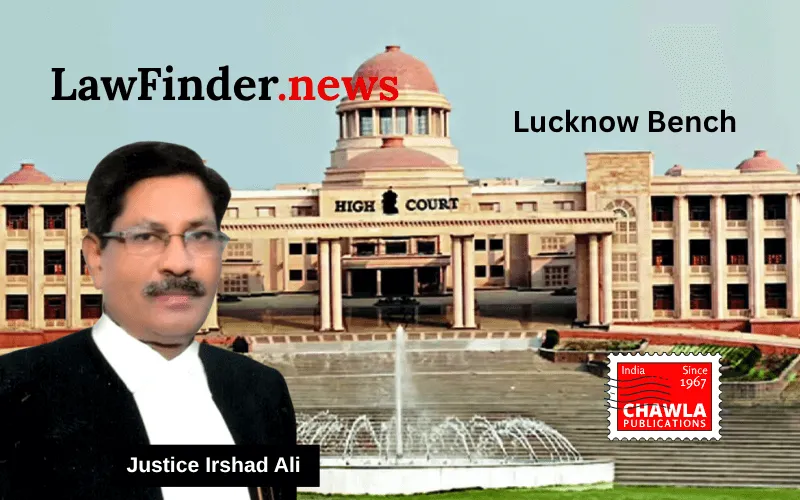
In a significant ruling, the Allahabad High Court's Lucknow Bench, presided over by Justice Irshad Ali, dismissed the writ petition filed by Ved Pati Tripathi and others seeking payment of arrears and regular salary. The court emphasized the importance of statutory compliance and the foundational legality of appointments, stating that payment from public funds requires a legally sustainable appointment.
The case, filed in 2005, revolved around the appointment of Ved Pati Tripathi as the Principal of Shri Ganesh Sanskrit Pathshala, Gonda, and his claim for arrear salaries from January 2005. The petitioners argued that Tripathi's appointment was approved by the Sampurnanand Sanskrit University and that he had been recognized as Principal through various communications by the University and other authorities.
However, the court noted serious inconsistencies in the foundational documents of Tripathi's appointment, including discrepancies in the date of appointment and the absence of a valid appointment order. The court highlighted that the original appointment order, which is crucial for claiming salary from the state exchequer, was not satisfactorily established.
The court also pointed out the lack of approval from the Sampurnanand Sanskrit University, which had directed a fresh appointment process in 1993, a process that was never undertaken. The absence of requisite qualifications at the time of appointment further weakened the petitioners' case.
Despite long service and interim salary payments, the court maintained that these factors do not substitute the requirement for a valid appointment. The court also dismissed the petitioners' reliance on previous judgments and inquiry reports, stating that these do not override the statutory requirements for a lawful appointment.
Ultimately, the court concluded that without establishing the legality of the appointment, the petitioners could not claim a right to salary from public funds. The writ petition was dismissed, with the interim order for salary payments being merged into the final order, thus not creating any independent right for the petitioners.
Bottom Line :
Payment of salary from public funds cannot be claimed unless the appointment is shown to have been made in accordance with statutory provisions and prescribed procedures.
Statutory provision(s):
Article 226 of the Constitution of India, 1950
Ved Pati Tripathi v. State of U.P., (Allahabad)(Lucknow) : Law Finder Doc id # 2960080