New Delhi, Aug 20 The Delhi High Court on Thursday listed for hearing on September 29 appeals by RTI applicants against an order refusing disclosure of details of Prime Minister Narendra Modi's bachelor's degree.
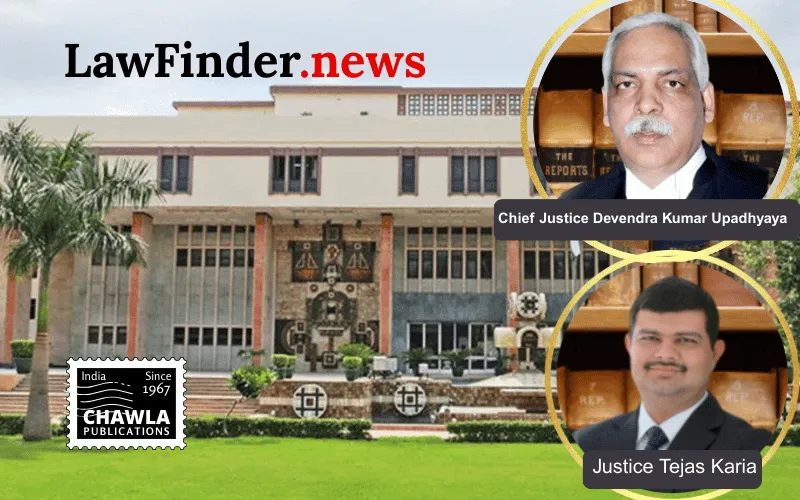
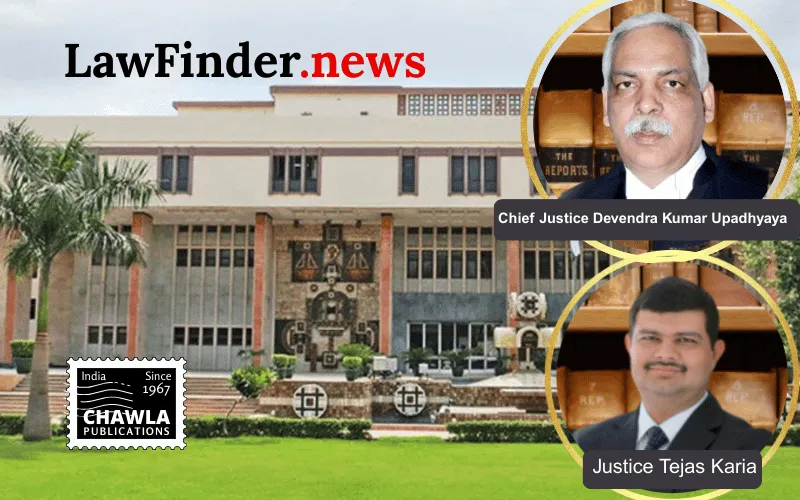
"At request made on behalf of the appellant, list on September 29," a bench of Chief Justice D K Upadhyaya and Justice Tejas Karia said after a request was made to take up the case after a few other matters.
The appeals challenge a single judge's August 2025 order that set aside a Central Information Commission (CIC) decision directing disclosure of Modi's degree.
Counsel for the appellant Thursday said on the earlier occasion, the court had granted time to the Delhi University to file objections to the delay in filing of the appeals.
Solicitor General Tushar Mehta asserted that the university has a good case on merit and may not object to the issue of belated filing.
"Delay I may not seriously oppose. I have a good case on merit. Why should I oppose delay," he said.
Earlier, the law officer has claimed that "there was nothing in the matter" and it was "only to sensationalize".
The appellants before the division bench are RTI activist Neeraj, Aam Aadmi Party leader Sanjay Singh and advocate Mohd Irshad.
On August 25, 2025, the single judge had set aside the CIC order, saying only because Modi was holding a public office, it did not render all his "personal information" to public disclosure.
It had ruled out any "implicit public interest" in the information sought, and said the RTI Act was enacted to promote transparency in government functioning and "not to provide fodder for sensationalism".
Following an RTI application by Neeraj, the CIC on December 21, 2016, allowed inspection of records of all students who cleared the BA exam in 1978 -- the year Modi also passed it.
The single judge had passed the combined order in six petitions, including the one filed by the Delhi University, challenging the CIC by which the varsity was directed to disclose the details related to Modi's bachelor degree.
The Delhi University's counsel had sought the CIC order to be set aside but said the varsity had no objection in showing its records to the court.
The single judge had opined the educational qualifications were not in the nature of any statutory requirement for holding any public office, or discharging official responsibilities.
The situation might have been different, had educational qualifications been a pre-requisite for eligibility to a specific public office, the judge had said, calling the CIC's approach "thoroughly misconceived".
The high court had also set aside the CIC order which directed the CBSE to provide copies of class 10 and 12 records of former Union minister Smriti Irani.