Court Orders Issuance of Passport for Study Abroad, Emphasizes Fundamental Right to Travel
In a landmark judgment, the Rajasthan High Court has ruled that the issuance of a passport to a minor cannot be denied due to the lack of consent from one parent when the child is in the lawful custody of the other parent. The court emphasized that such denial would infringe upon the child's fundamental right to travel abroad under Article 21 of the Indian Constitution.
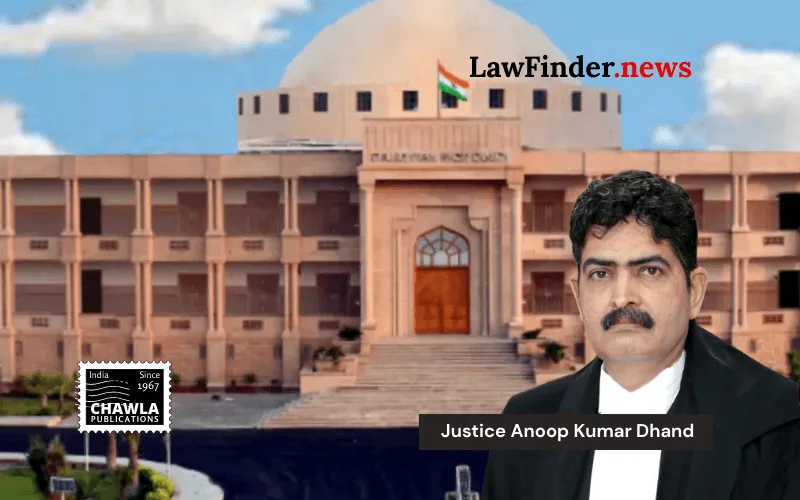
The case, Riddham Deora v. Union of India, revolved around a minor seeking to study abroad. The petitioner, represented by his mother, faced a roadblock when the passport authorities refused to issue a passport citing the absence of the father's consent. The High Court, presided over by Mr. Anoop Kumar Dhand, J., highlighted that the right to travel abroad is an integral part of the right to personal liberty under Article 21.
The court also referred to the Passport Rules, 1980, which allow for the issuance of a passport to a minor with the affidavit of one parent in cases of matrimonial disputes or separation. It directed the passport authorities to issue the passport, reiterating that a mechanical approach by authorities could severely impact the future prospects of individuals.
The judgment underscores the modern necessity of international travel and the responsibilities of authorities in facilitating such rights, particularly for educational purposes.
Bottom Line:
Issuance of a passport to a minor cannot be denied on the ground of lack of consent from one parent, especially when the child is in the lawful custody of the other parent and such denial would infringe upon the child's fundamental right to travel abroad under Article 21 of the Constitution.
Statutory provision(s): Articles 21, 21A of the Constitution of India, Passport Rules, 1980, Annexure-C of Schedule III
Riddham Deora v. Union of India, (Rajasthan) : Law Finder Doc id # 2965160