Court Observes Lack of Direct Instigation or Mens Rea, Denies Custodial Interrogation, and Highlights Marital Discord over Cruelty in Pune Domestic Suicide Case
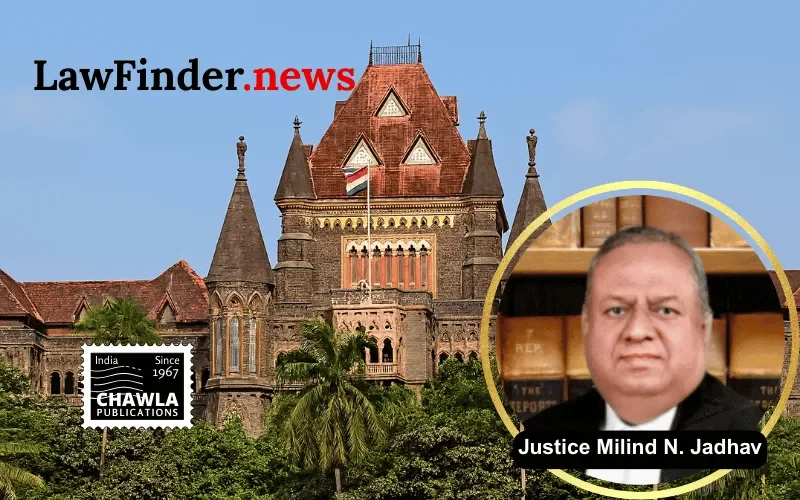
In a significant judgment dated November 3, 2026, the Bombay High Court, presided over by Justice Milind N. Jadhav, granted bail to Abhijit Dilip Garad, a 37-year-old lecturer, accused in a case involving allegations of abetment to suicide and cruelty under the newly enacted Bharatiya Nyaya Sanhita, 2023. The case arose from the tragic suicide of the victim, the applicant's wife, in Pune.
The incident dates back to September 13, 2026, when after a domestic quarrel between the applicant and the victim, the latter expressed her intention to commit suicide. The applicant allegedly responded by telling her to "do whatever you want" before leaving the house. The victim subsequently contacted her maternal uncle about harassment by her in-laws and committed suicide by hanging. The FIR was lodged by the victim's brother, an Assistant Sub-Inspector of Police.
The prosecution charged the applicant under Sections 108 (abetment to suicide), 85 (cruelty), and 3(5) (definitions related to cruelty) of the Bharatiya Nyaya Sanhita, 2023. The allegations against the applicant primarily involved cruelty by neglecting the victim and abetting her suicide through his conduct.
Upon hearing both sides and carefully examining the case record, the Court noted several critical facts influencing its decision:
1. The victim had separated from other accused family members, such as the mother-in-law and sister-in-law, a month prior to the incident and was residing separately with the applicant, weakening allegations of ongoing family harassment by co-accused.
2. The applicant's words "do whatever you want," said during a heated domestic quarrel, did not amount to direct instigation or intentional mens rea to push the victim towards suicide. The Court emphasized that abetment to suicide requires a proximate and positive act of instigation, which was absent here.
3. The cruelty allegations - limited to the applicant not spending enough time with the victim or taking her out - were regarded as marital discord rather than legally actionable cruelty. No evidence of force, violence, or unlawful demands was found.
4. The applicant's professional commitments as a lecturer and the victim's temperament were noted as contextual factors explaining the strained marital relationship without crossing into cruelty.
5. The applicant had no prior criminal antecedents and deep societal roots, adding to the Court's confidence in granting bail.
Given these considerations, the Court held that custodial interrogation of the applicant was unnecessary and that he deserved bail. Bail was granted on furnishing a Personal Recognizance Bond of Rs. 15,000 with sureties, alongside conditions including monthly reporting to the investigating officer, cooperation with trial proceedings, restrictions on leaving Maharashtra without permission, and no tampering with evidence or witnesses.
The Court made it clear that these observations were prima facie and would not prejudice the ongoing trial. The judgment reflects a careful balance between safeguarding the rights of the accused and the interests of justice in sensitive domestic cases under the new Bharatiya Nyaya Sanhita, 2023 framework.
This ruling underscores the judiciary's caution in interpreting abetment and cruelty in domestic contexts, emphasizing the need for clear material specifics before denying bail. It also highlights the evolving application of the Bharatiya Nyaya Sanhita, 2023 provisions in criminal jurisprudence.
Bottom Line:
Bail granted in a case involving allegations of abetment to suicide and cruelty under Bharatiya Nyaya Sanhita, 2023, considering lack of direct instigation or intentional mens rea, and absence of material specifics of cruelty or unlawful demand.
Statutory provision(s):
Bharatiya Nyaya Sanhita, 2023 Sections 108, 85, 3(5); Bharatiya Nagarik Suraksha Sanhita, 2023 Section 483
Abhijit Dilip Garad v. State of Maharashtra, (Bombay) : Law Finder Doc Id # 3023060