Welfare of children, their settled environment and expressed preference outweigh father’s claim as natural guardian, Court says
The Supreme Court has set aside a Madurai Family Court and Madras High Court order that had directed transfer of custody of two minor sons to their father, holding that the children’s welfare would be best served by allowing them to continue living with their mother.
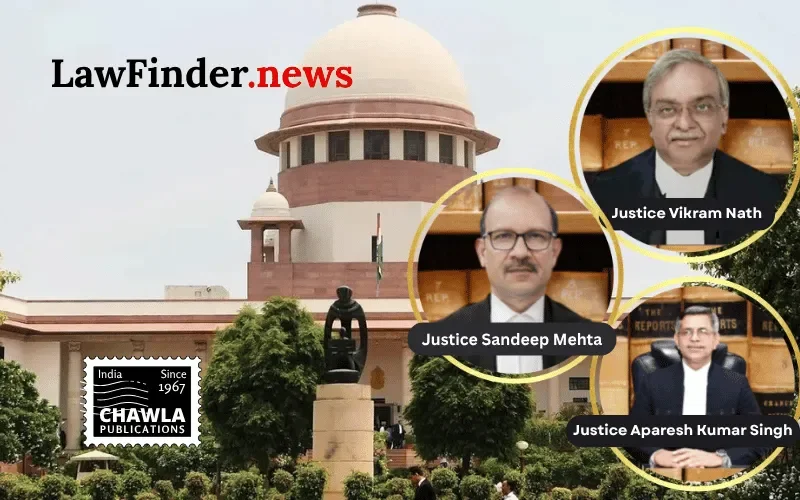
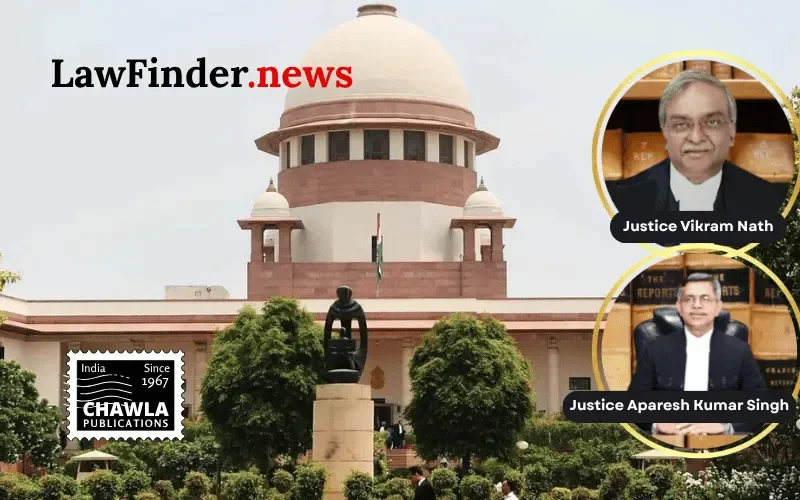
A Bench of Justice Vikram Nath and Justice Aparesh Kumar Singh delivered the judgment in an appeal filed by the mother, J. Sakthi Devi @ Chriti, challenging the custody order in favour of Joseph Charles. The two sons, now aged 16 and 14, had been living continuously with their mother since 2014.
The dispute arose after the couple’s marriage, solemnised in 2009, broke down and multiple proceedings followed, including divorce, maintenance and custody litigation. While the Family Court had granted custody to the father in 2018 and the High Court later affirmed that decision, the Supreme Court took a different view after interacting personally with both parents and the children.
The Court noted that the children were “healthy and in a normal state of mind,” were studying in good schools, and had developed a strong emotional bond with their mother and maternal grandparents. It also recorded that the boys appeared mature and confident during interaction and clearly expressed their unwillingness to live with their father.
Emphasising that the welfare of the minor is the “paramount consideration” under the Guardians and Wards Act, 1890, the Bench said custody disputes cannot be decided merely on the legal rights of parents. The Court observed that even though the father was not found unfit and was a natural guardian, that factor alone could not override the children’s best interests.
The judgment also relied on earlier Supreme Court precedents, including Anjali Kapoor v. Rajiv Baijal, Rosy Jacob v. Jacob A. Chakramakkal, Elizabeth Dinshaw v. Arvand M. Dinshaw, and Walker v. Walker & Harrison, to reiterate that children are not “chattels” and that stability, emotional security and continuity of care are crucial in custody matters.
The Bench said removing the children from the environment in which they had grown up with their mother could disturb their emotional and educational stability. At the same time, it recognised the importance of the father’s role in the children’s lives and held that they should not be denied his love and affection.
Accordingly, while allowing the mother to retain custody, the Supreme Court granted the father structured visitation rights. He may meet the children on the second Saturday and Sunday of every month at Gandhi Museum, Madurai, between 10 a.m. and 2 p.m., and also during Pongal and half-yearly vacations, with prior intimation through phone or WhatsApp. The Court also said the father should be willing to share future educational expenses if required.
Setting aside the impugned judgment, the Court concluded that the children should not be separated from the mother at this stage, as their welfare, emotional well-being and balanced development would be best protected by maintaining the existing arrangement.
Statutory provision(s): Section 17, Guardians and Wards Act, 1890, Section 17(3), Guardians and Wards Act, 1890
Sakthi Devi @ Chriti v. Joseph Charles, (SC) : Law Finder Doc id # 3257605